
As Transport + Energy publishes its 250th newsletter, it looks back on the past five years of the brand and how the two sectors have evolved and grown.
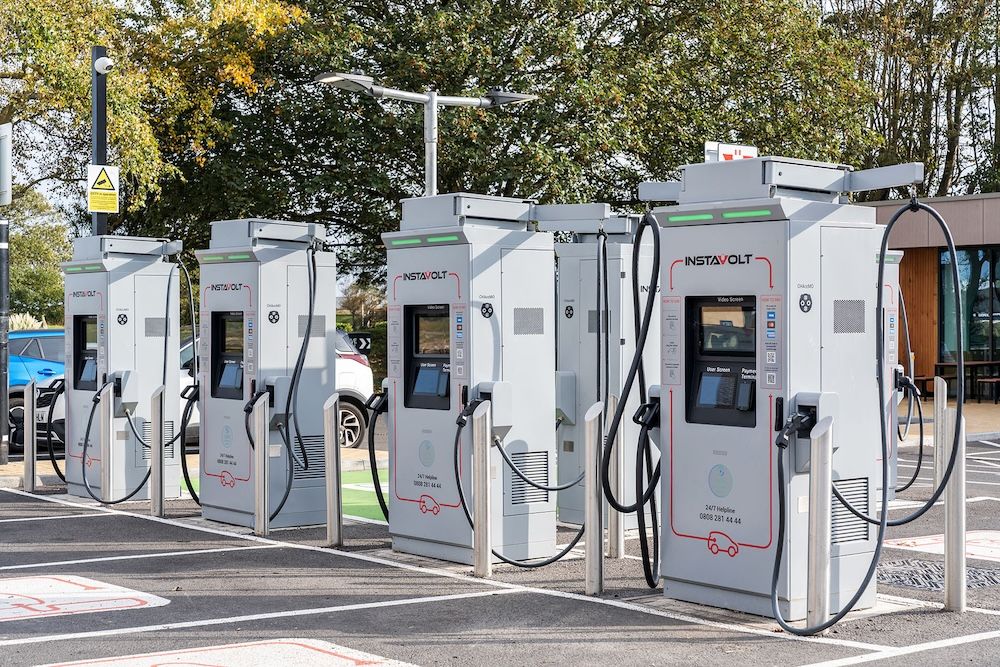
In 2021, there were around 400,000 EVs on the road. Now it is nearer two million. In terms of public chargers, it has increased almost four-fold – and there are more than one million private installations. The progress has been dramatic.
In the first year of Transport + Energy, we covered developments in how transport and energy are intertwining as sectors on the path to decarbonisation.
The year featured initial innovations and the scaling up of EVs, such as an EV routing tool designed to reduce charging stops for electric vehicles, highlighting early efforts to improve electric mobility infrastructure and driver experience. With a Government ban on the sale of petrol and diesel vehicles coming in 2030 – and a £1.3 billion fund allocated to the rollout of electric vehicle charge points – there was a real historic push towards the decarbonisation of transport.
Industry players were also making bold commitments: for example, Capgemini announced plans to electrify its 12,000-vehicle corporate fleet by 2030, signalling strong private-sector support for the
Thought leadership pieces became and have remained an important part of T+E’s brand, such as Anthony Velazquez from TRL, emphasised that transport must become part of the wider energy system, transitioning away from fossil fuels and embracing electricity, hydrogen and alternative energy sources.
By 2022, the Transport + Energy Forum was established, and brought together government, industry and network stakeholders to discuss challenges from charging infrastructure to preparing grids for higher transport electrification.
T+E’s coverage included a series of industry interviews, such as discussions on fleet electrification and grid capability upgrades, underscoring how energy networks must adapt to support transport decarbonisation.
The year signalled that realising net zero requires not only new technology but facing policy and infrastructure hurdles and stressed that cross-sector collaboration was critical.
In 2023, T+E spotlighted collaboration with the launch of its industry awards, recognising organisations that forge successful partnerships across transport and energy to drive decarbonisation.

Reporting on broader sectoral shifts, T+E highlighted research indicating that electrified transport might account for nearly 23% of total transport energy by 2050, marking the anticipated rise of electricity’s role in the transition, even as fossil fuels remains dominant in some areas.
2024 saw continued emphasis on events and recognition with the annual awards showcasing new technologies to partnerships that push decarbonisation forward.
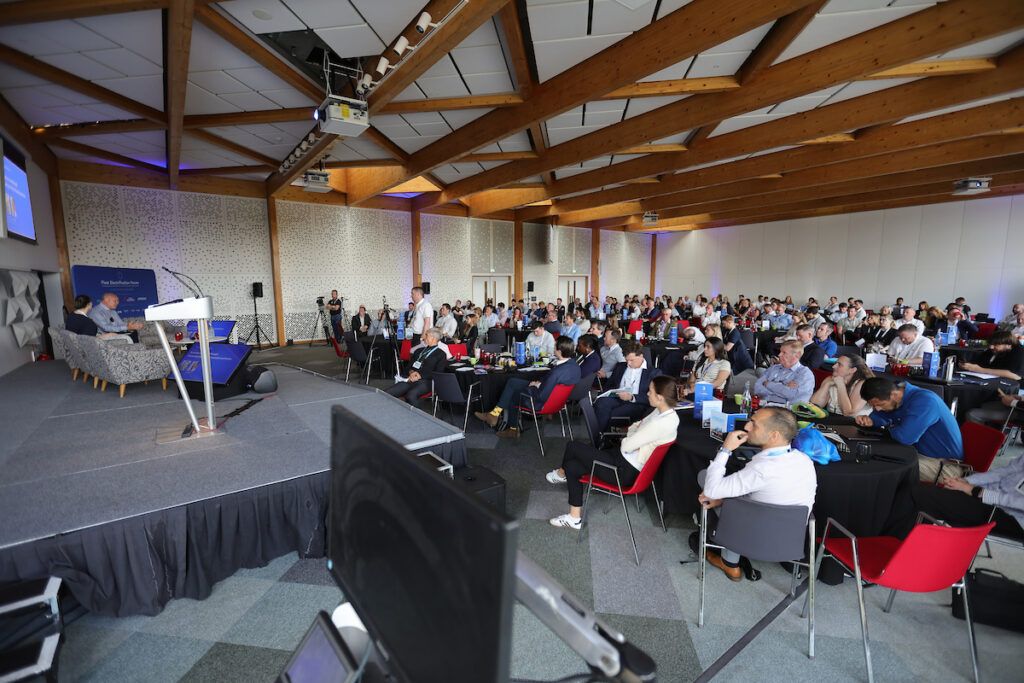
The Transport + Energy Forum 2024 moved to a new venue at Warwick Conferences and was themed around ‘Moving from action to delivery’, signalling a shift from planning to execution in the sector’s decarbonisation journey.
Broader policy coverage included the UK Budget 2024, which allocated funding to EV incentives, local transport improvements, and clean energy infrastructure, but also the long-running debate about changes to the ZEV Mandate, illustrating how fiscal policy is increasingly used to align with decarbonisation goals.
In January 2025, T+E presented its Delivery Plan to the UK Government in parliament, highlighting the brand was moving towards influencing through long-form insight and detailed analysis of the sectors.

Early in the year, Transport + Energy announced a brand evolution to emphasise its role in accelerating the net zero journey, including a refreshed digital presence and more content and events, demonstrating how the narrative has matured toward supporting large-scale transformation.
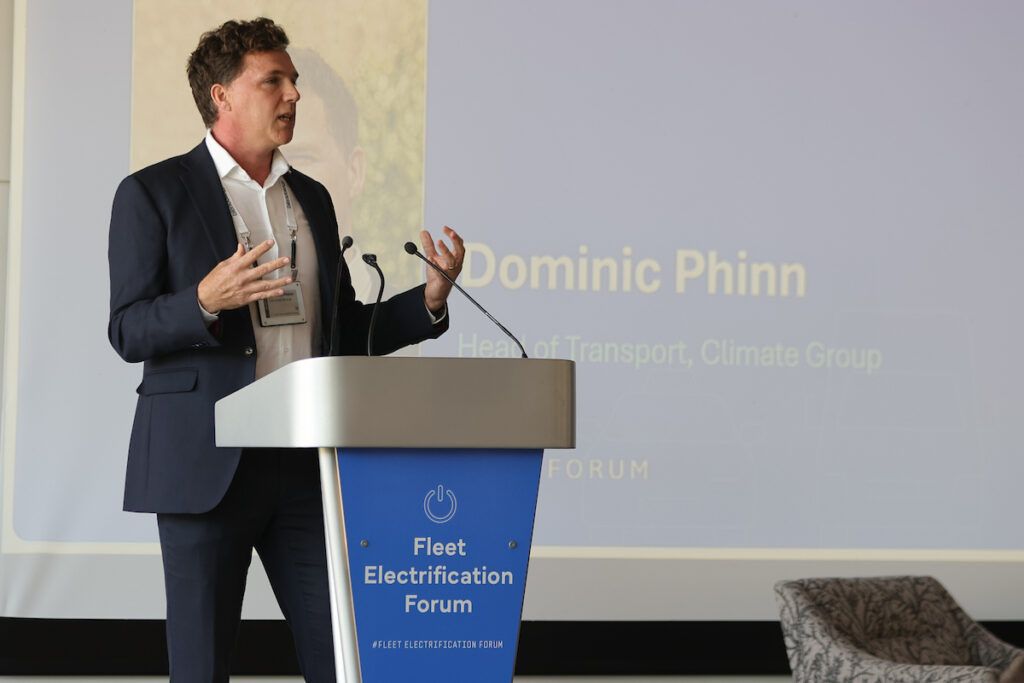
The launch of a Fleet Electrification Forum highlighted focus on one of the most complex areas of decarbonisation, applying electric technologies and energy solutions to commercial fleets. The event highlighted the harder to reach sections of the transport decarbonisation journey, especially heavy goods and the move to eHGVs.
T+E also expanded its awards with new categories to reflect the sector’s evolution, such as private fleet partnerships and charging site innovations, signalling how broader aspects of the transition are gaining attention.
On the policy and investment front, coverage of the UK’s multi-billion-pound spending review demonstrated significant government funding commitments to EV uptake, charging infrastructure, local transport, and clean energy, illustrating how fiscal support is reinforcing strategic goals.
You can view the Forum highlights here.
As we move into 2026, with a ZEV Mandate of a third of new vehicles being battery-electric by the end of the year, and energy moving towards its 2030 targets, the journey to net-zero continues apace. T+E will remain at the centre of the industry, supporting the sectors in the transition with its flagship Forum and awards, Fleet Electrification Forum, news and insight.