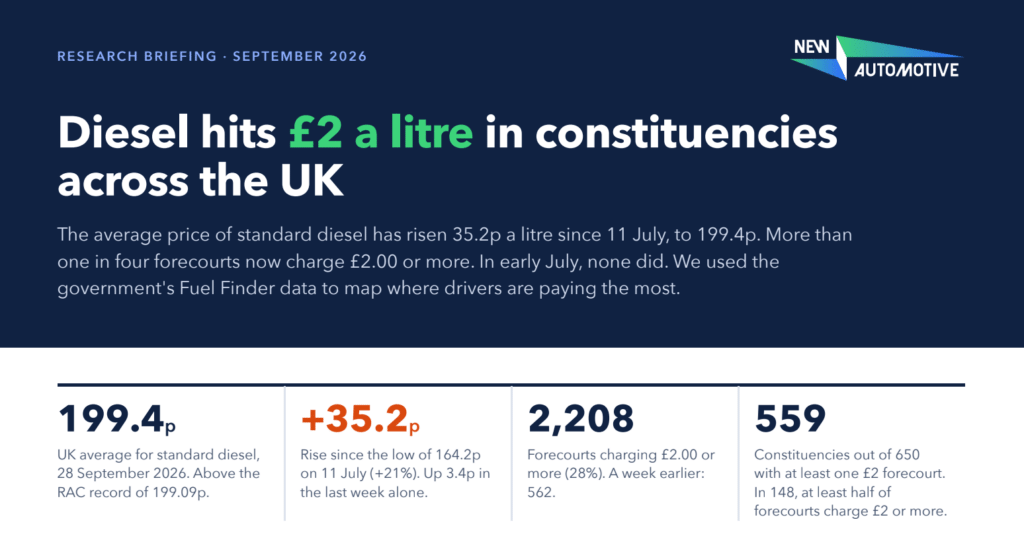
Diesel has hit £2 a litre in 559 constituencies across the UK as pump prices surge past record levels, analysis from New Automotive has revealed.
More than one in four forecourts are now charging £2.00 or more for a litre of standard diesel with the UK average climbing to 199.4p a litre, up 35.2p since 11 July – and above the RAC’s all-time record of 199.09p in June 2022.
A family driving 9,200 miles a year in a diesel car is now spending about £1,970 a year on fuel, around £340 more than in early July.
The highest average price is in Na h-Eileanan an Iar in Scotland, at 211.9p a litre, where 11 of 12 forecourts are charging £2 or more.
But the squeeze reaches beyond remote areas, with diesel averaging 203.4p in Kingston upon Hull East, 202.9p in Southend East and Rochford, 203.2p in Dagenham and Rainham, and 203.7p in Braintree.
In the Cities of London and Westminster, all six forecourts covered by the analysis are charging £2 or more. Bournemouth West has five out of six above £2, while more than two thirds of forecourts in Runcorn and Helsby and Swindon North have crossed the threshold. In Watford, the cheapest constituency in the analysis, averages 191.2p a litre.
Ben Nelmes, Chief Executive of New AutoMotive, said:
“£2 a litre has gone from almost nowhere to almost everywhere in a matter of weeks. A typical diesel-driving family is suddenly looking at an extra £340 a year just to cover the same miles. That is a real hit to household budgets, and with the average price now above the all-time record, millions of drivers will be wondering how much worse this gets.
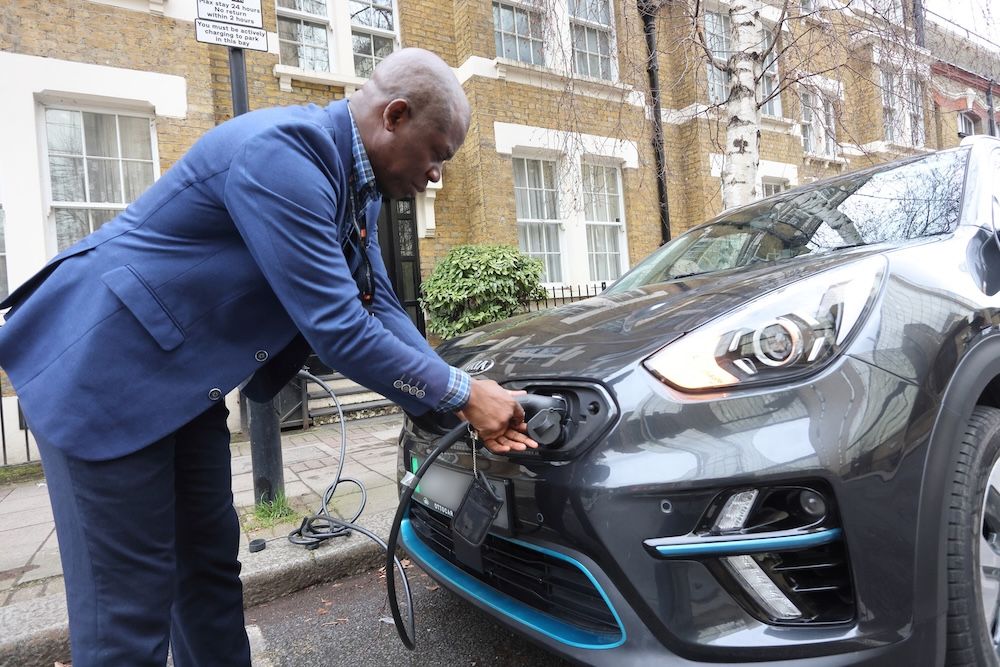
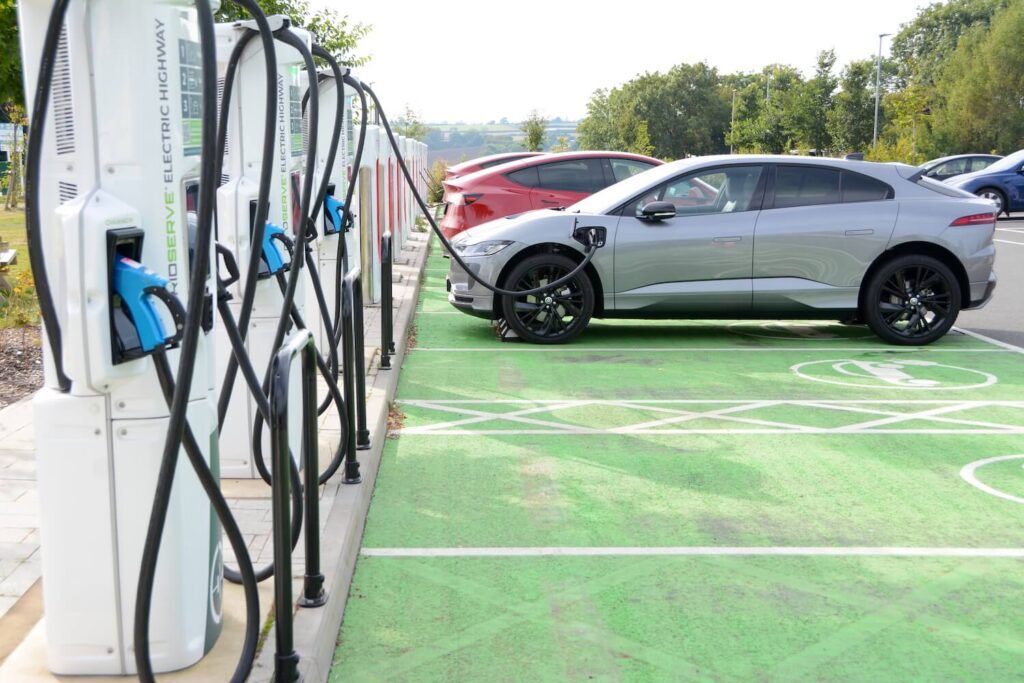
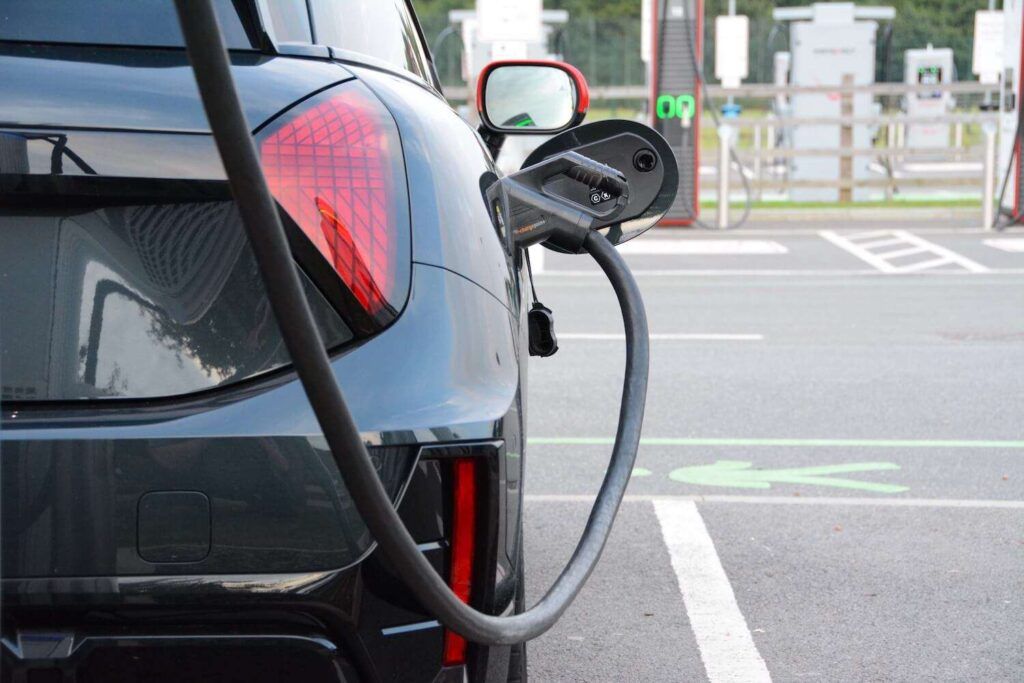
“Many drivers will be wondering whether this is the time to get an electric car – Ministers should use every tool in the box to help them to escape rising diesel prices and go electric.”
Ginny Buckley, the chief executive of Electrifying.com, the electric car buying and advice site, said:
“These record diesel prices are a painful reminder of just how exposed drivers are to events thousands of miles away. People simply want to get to work, take their kids to school and live their lives without watching the price at the pump spiral because of another geopolitical shock. The good news is that drivers now have a choice. Going electric won’t insulate households from every rise in energy costs, but it can give them far more control over what they spend on everyday driving.”
Simon Smith, CEO, Voltempo, said:
“Record diesel prices are another hammer blow for Britain’s hauliers. Fuel is one of the biggest costs of running a fleet, so when diesel surges, operators feel it immediately and ultimately those costs ripple through the wider economy.
“The bigger problem is how little control businesses have over it. The price of diesel can be pushed higher overnight by conflict, geopolitics or decisions made thousands of miles away, leaving fleet operators to pick up the bill.
“That makes reducing exposure to diesel increasingly a commercial question, not simply an environmental one. Electric HGVs give operators another option and, with the right infrastructure and energy strategy, the opportunity for much greater control and certainty over their long-term running costs.”
Image of report courtesy of New Automotive