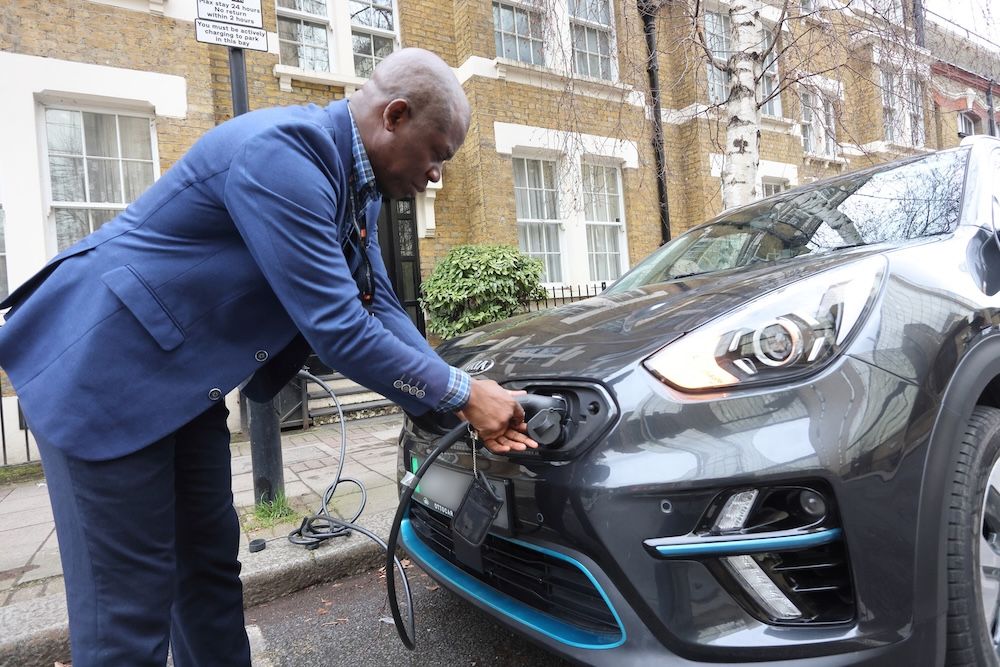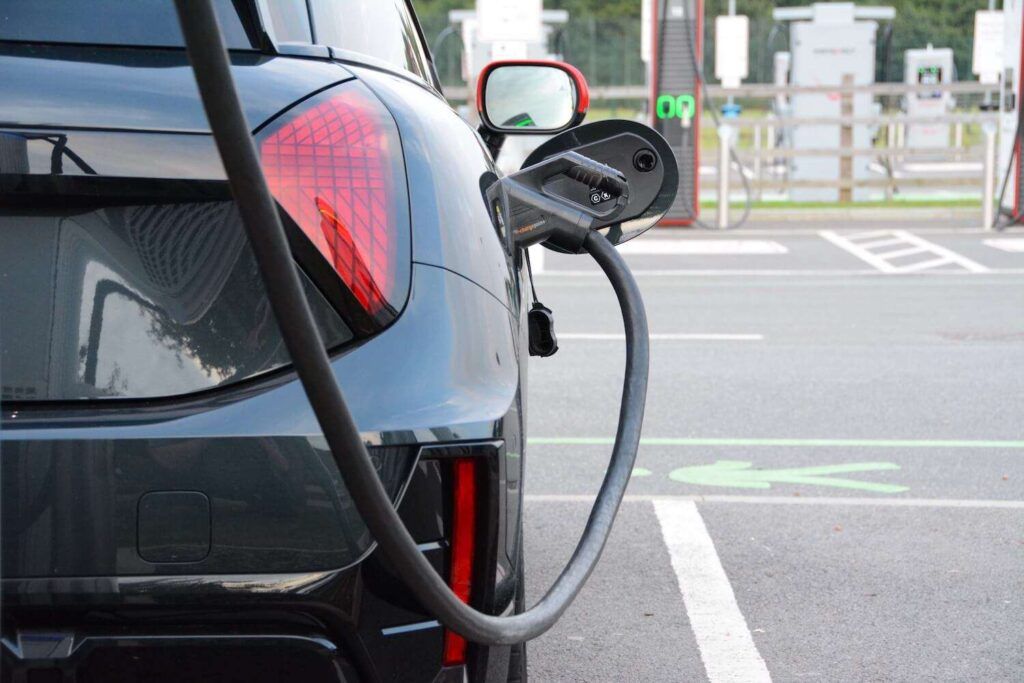
A trip across Europe by Disabled Motoring UK has discovered that across 3,000 miles and 24 charging sessions not a single electric vehicle (EV) charging network was fully accessible for a disabled motorist.
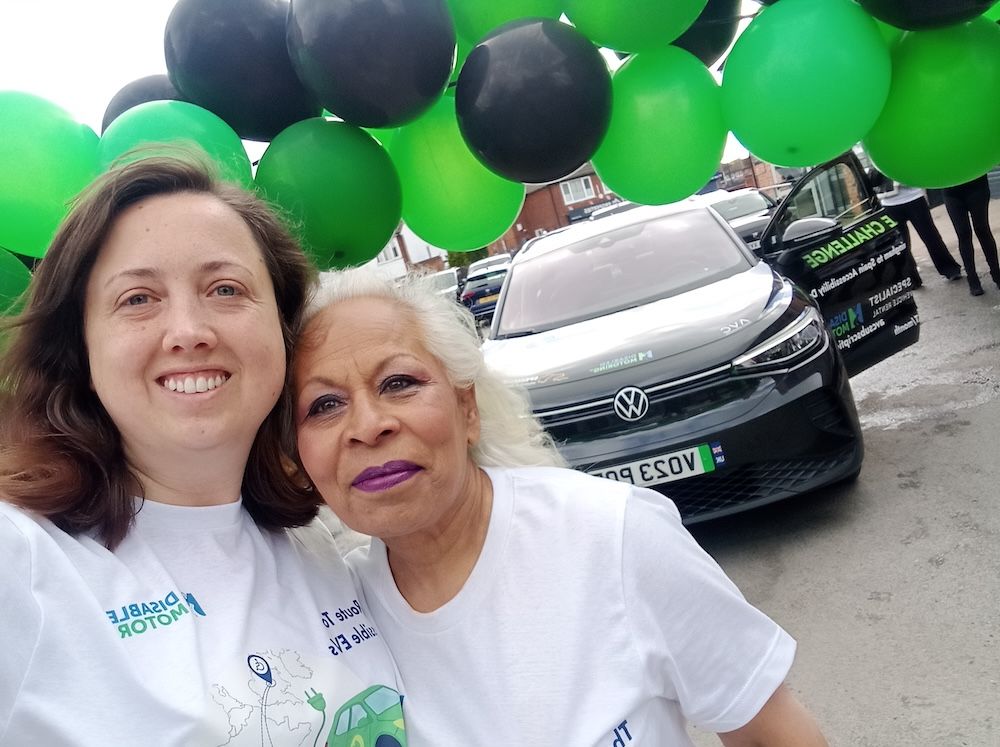
In May 2026, Disabled Motoring UK member Anjna Patel, a disabled motorist, travelled from Birmingham to Torrevieja, Spain, in an Volkswagen ID.4, accompanied by Zoe Rush.
The journey became the first documented accessibility assessment of public EV charging across England and Europe using a bespoke audit based on the Safer Parking Accessible EV Accreditation and PAS 1899:2022.
They completed an audit at each charging location using a bespoke assessment, with reference to the Safer Parking Accessible EV Accreditation, owned by DMUK and Police CPI, which supports the requirements of PAS1899:2022.
Its Accessible EV Europe report highlights the challenges experienced by Anjna during the trip and covers chargers in the different countries, frequent inconsistent design between chargers, individual charger audits, their best and worst charging experiences, and driving an EV as a disabled person.
It also provides recommendations for physical and digital improvements to charging stations and to EVs, which they hope to engage Charge Point Operators (CPOs), local authorities, parking operators, and EV manufacturers to improve the accessibility and usability of public EV charging.
Eleven chargers received a positive score for the overall experiences and accessibility of the bays. Some of the accessibility issues encountered during the trip include weight, height, force required, size of bay, lack of waiting areas, obstacles, lack of on-site support, digital interface issues and payment issues.
Disabled Motoring UK hopes the findings will highlight the urgent need for inclusive EV infrastructure, increase awareness of the barriers disabled motorists continue to face, and improve confidence among disabled drivers by demonstrating that long-distance EV travel is possible.
The charity is calling on charge point operators (CPOs), local authorities, EV manufacturers and policymakers to act on the report’s recommendations to ensure disabled motorists are not left behind in the transition to electric vehicles.
Disabled Motoring UK CEO, Graham Footer said:
“This project showed that disabled motorists can make long-distance journeys in an electric vehicle, but they often have to overcome barriers that non-disabled drivers simply don’t face. We found examples of good practice, but no charging network we used was consistently accessible.
“We hope this report provides practical evidence that helps charge point operators, manufacturers, and policymakers make accessibility a standard feature of future EV infrastructure.”
Image courtesy of Disabled Motoring UK