The AA is calling for changes to Britain’s driving licence rules to reflect the rapid shift towards electric vehicles.
In a discussion at the Fleet Electrification Forum, 200 delegates heard a warning that the current system risks slowing the transition to EVs while creating unnecessary barriers for learner drivers.
The session heard a call for the Government to modernise the driving licence system so that people who pass their test in an automatic vehicle are no longer permanently prevented from driving manual cars unless they retake the full driving test. Instead, the idea was put forward that those who have passed in an electric or automatic vehicle can gain manual entitlement through a short period of supervised training and a brief competency assessment.
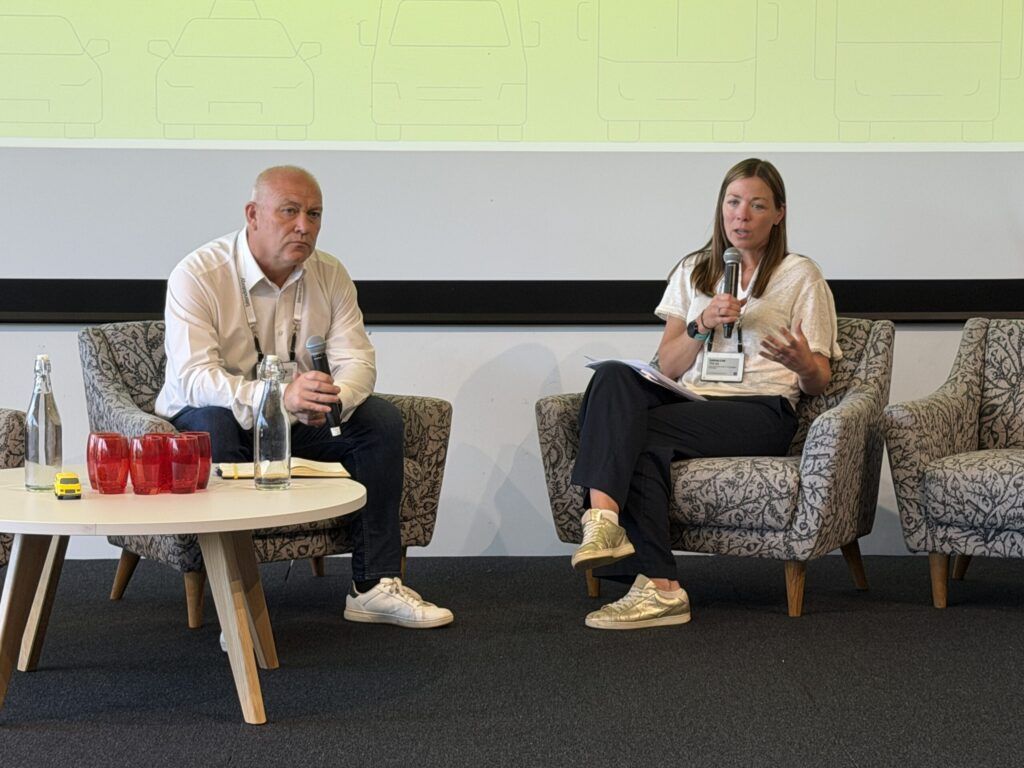
During the session called Driving forward: The end of manual licences in an EV era, the AA’s PR and Public Affairs Campaigns Manager Lorna Lee said learner drivers are increasingly choosing automatic vehicles as they look ahead to an electric future, with a large increase in those choosing to take automatic driving tests over the past two decades.
“If you look back at 2007-2008 there are around 70,000 automatic tests taken in that year,” she said. “If you look at the most recent year, it’s around 590,000 so kind of an eight fold increase over that time period, which is massive.”
The audience heard that trend is also being reflected within the AA’s own driving schools, where around a quarter of instructors now teach in automatic vehicles.
“It’s definitely being driven by electrification, so more and more learners are starting to think: what is the future of my driving life? What do I need to be entitled to drive? Actually, what should I learn as a result of that?” she explained.
However, Ms Lee warned the transition presents challenges for both instructors and learners. Driving instructors face difficult business decisions as they move from manual to automatic vehicles while managing existing pupils, alongside concerns over charging infrastructure and profitability.
The AA believes the biggest policy issue centres on licensing. Drivers who pass their test in an automatic vehicle can only drive automatics, whereas passing in a manual provides entitlement for both transmission types.
“As more and more people choose to learn in automatics and EVs, we’re going to have fewer drivers who are allowed to drive manual vehicles,” Ms Lee said. “[We] also need forward looking to make sure that the licensing process, the testing process, is fit for the next sort of 10 to 20 years ahead as drivers.”
She suggested the current rules may discourage some learners from choosing an EV or automatic because they still want manual entitlement later in life: “You may still want that manual entitlement,” she said, citing reasons including “you needed to drive a pool car, and they were manual, or you want to go abroad and use a hire car.”
AA Fleet Director Duncan Webb said the organisation believes reforming the licensing rules could remove a significant barrier to EV adoption. “I think, as the AA, we still see this as a massive policy area that actually doesn’t cost a lot to fix,” he said. “It’s a simple change to say… if you make it just more logical that we live in an automatic world, just give us the rights back to manual. In actual fact, more learners will transition quicker into the vehicles we really want everybody to be in.”
Reacting to this, Ms Lee pointed to Germany’s system, where drivers can add manual entitlement through around ten hours of supervised lessons and a short competency assessment, rather than having to retake the full driving test.
For learners, Lorna Lee also highlighted an unintended road safety consequence.
“Learning in an automatic… you would tend to take fewer lessons, you’re getting slightly less on-road experience before you pass your driving test,” she said. “Young drivers are really disproportionately at risk, so anything you can do to encourage a bit of longevity in the learning process is really key.”
Ms Lee said this makes current government discussions around introducing a minimum learning period even more important.
“The key thing is going to be making sure that with this change, we’re still producing safe drivers for the future,” she added.
Summing up the organisation’s position, Mr Webb concluded: “If you take one thing from the AA out of this room today, we would be a big advocate of the policy changing to automatic and appropriate assimilation back to manual… because then there’s reasonably no excuse.”
(Picture – Transport + Energy)