The National Energy System Operator (NESO) is updating its Demand Flexibility Service to reward consumers and businesses during periods of surplus energy this summer.
In order to ensure surplus power isn’t wasted, the new services follow how NESO has redesigned its management of Great Britain’s national electricity network, introducing tools to manage times when generation from lower carbon sources is high.
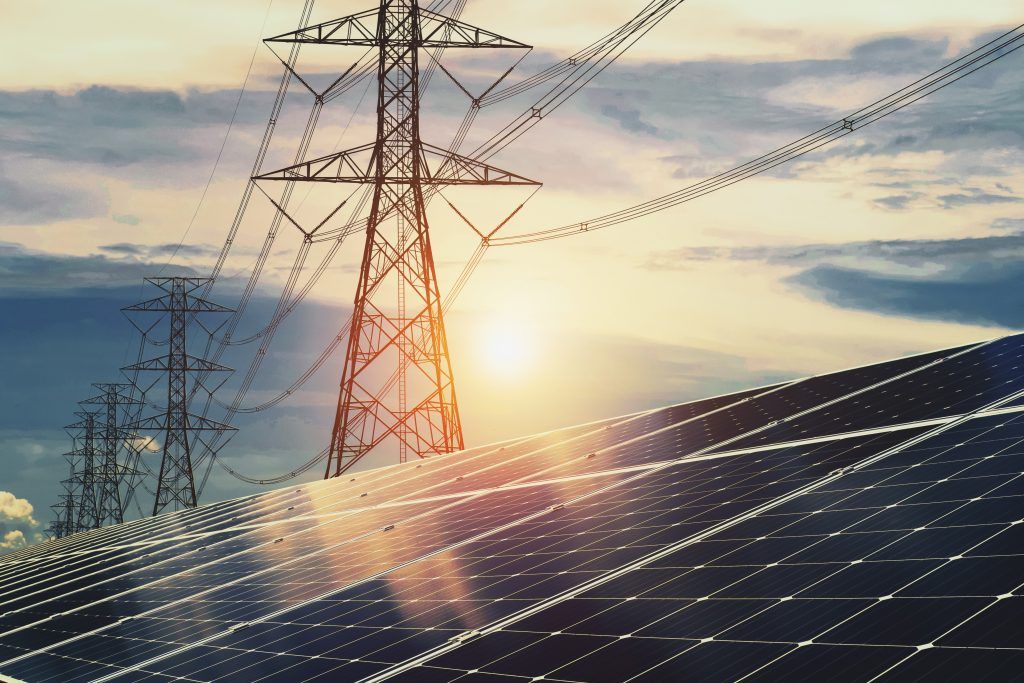
These include new services that provide system stability and voltage support, traditionally delivered by power stations. By using smaller, flexible technologies to deliver these services – including wind farms, solar and batteries – NESO can balance supply and demand while maintaining system security at the same or lower cost.
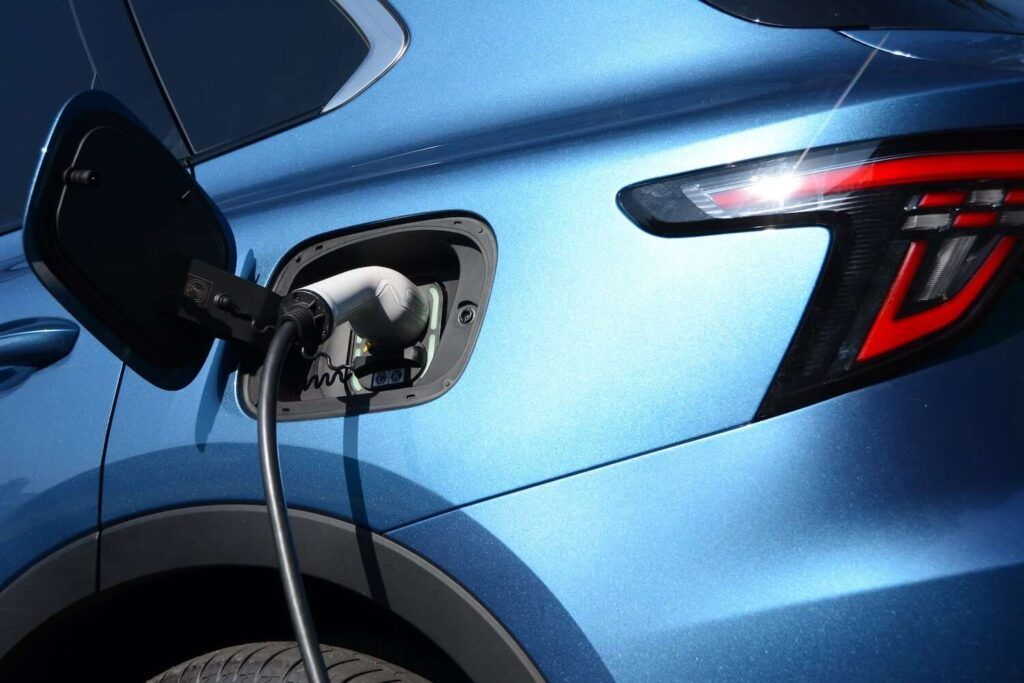
Consumers and businesses can now be rewarded for increasing electricity use via their energy suppliers or third-party apps. For example, by running appliances like washing machines or dishwashers and charging electric vehicles during periods of excess supply. Alongside other NESO tools, this will help balance the system and reinforce energy security.
Electricity demand is typically lower in summer, as warmer and brighter weather changes consumption patterns and increases solar generation. The growth of smaller, local electricity generators is also reducing reliance on large power stations on the national network, it said.
NESO said it was “confident” that it has the tools and operational strategies in place to manage these changing conditions effectively. Where necessary, NESO may issue a Negative Reserve Active Power Margin (NRAPM) notice. This is a standard market signal to increase flexibility in electricity generation.
In addition, NESO said it was preparing for next winter, with an Early View report due later this summer.
Dr Deborah Petterson, Director of Resilience and Emergency Management, NESO
“The work of our excellent engineering teams at NESO means our energy system is well adapted to support a clean, resilient future, and puts us in a strong position to manage the changing patterns of electricity use over the summer.
Tools such as the Demand Flexibility Service not only reward consumers and businesses for flexible electricity use but also strengthen the resilience and efficiency of Great Britain’s electricity network.”
Jess Ralston, Head of Energy at the Energy & Climate Intelligence Unit said:
“Thanks to progress towards the UK’s net zero target, the deployment of renewables like solar and wind means we’re expected to be an energy exporter at times this summer. This will drive down prices to the point where consumers could get a real bargain when turning on the washing machine when it’s really sunny.
“While the price of oil and gas have been spiking due to Trump’s war in the Middle East, large windfarms lowered the wholesale power price by a third last year. Further investment will be needed, but if Britain wants to permanently insulate itself from these shocks, the shift to renewables will help do that.”