The Department for Transport (DfT) is seeking views on a proposal to update the minimum emission standard to current EU standard levels for new vehicles.
The DfT are proposing to update the minimum emission standard for new light and heavy-duty vehicles in Great Britain to the Euro 7 emission standard, bring it in line with the EU. It is also proposing to change the light-duty ISC testing obligations.
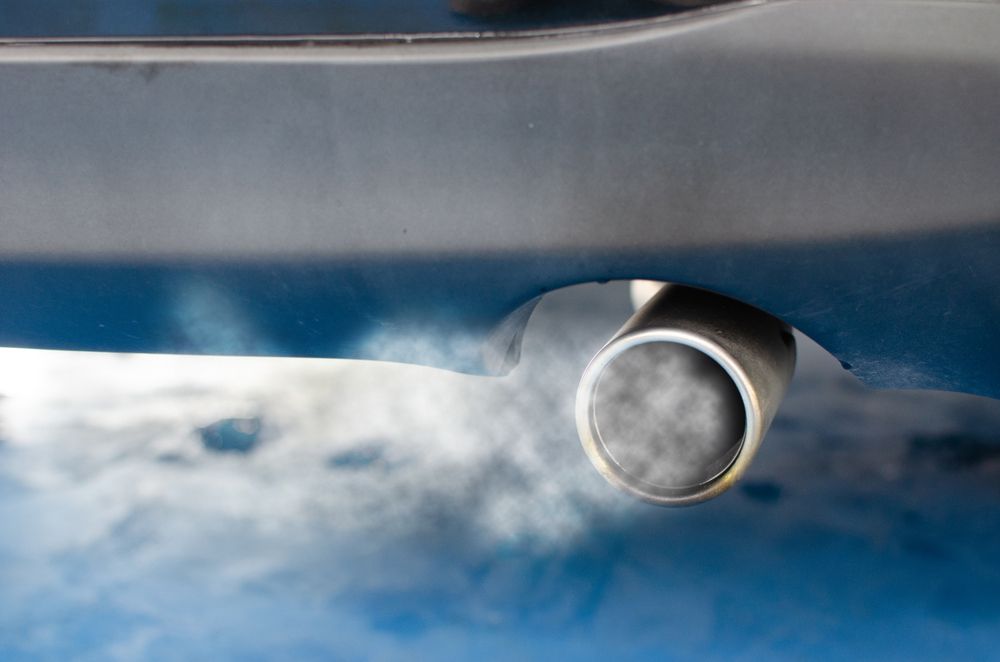
Vehicle emission standards are used to set strict limits on pollutants such as nitrogen oxides (NOx) and fine particulate matter (PM) to improve air quality. They set the test procedures for these pollutants, as well as the official figures for CO2, fuel economy, energy consumption and electric range.
The standards are also used to define in-service conformity (ISC) testing measures to check that vehicles continue to meet the emission standards they were approved to throughout their lifetime.
In Europe, emission standards are known as Euro standards, beginning with Euro 1 for light-duty vehicles (cars and vans) and Euro I for heavy-duty vehicles (trucks, buses and coaches) in the 1990s. The standards have become stricter over time. The current standards are Euro 6 and Euro VI for light and heavy-duty vehicles.
Euro 7 is the EU’s latest emission standard and will apply to new light-duty vehicle models from 29 November 2026 and to new heavy-duty vehicle models from 29 May 2028.
The UK helped develop the standard through the United Nations Economic Commission for Europe (UNECE).
Thomas McLennan, BVRLA Director of Policy and Public Affairs, said:
“This consultation is something we have been pushing for. A core part of our #HappyEVafter campaign to support the used EV market is to see an industry standard for obtaining and comparing battery health adopted across the market.
“This consultation moves that reality forward and has the potential to put clear, comparable, and easily accessible battery health information in the hands of drivers and fleet operators. That clarity is critical in giving used EV buyers the confidence they need to make the market stable and sustainable.”
Image from Shutterstock