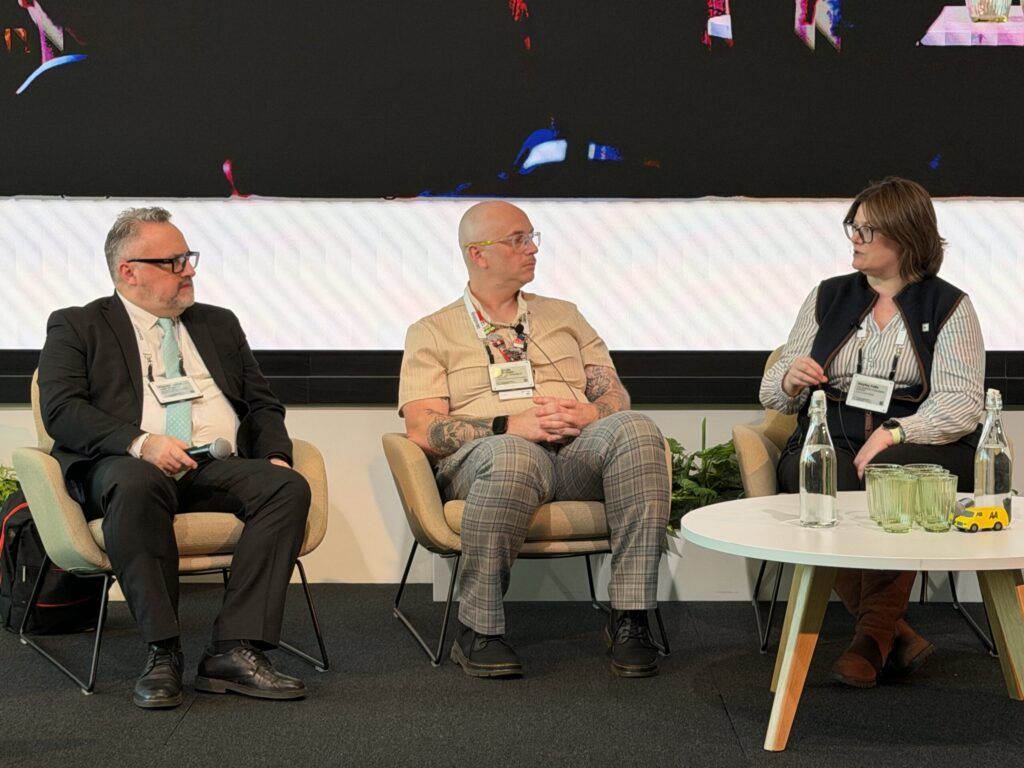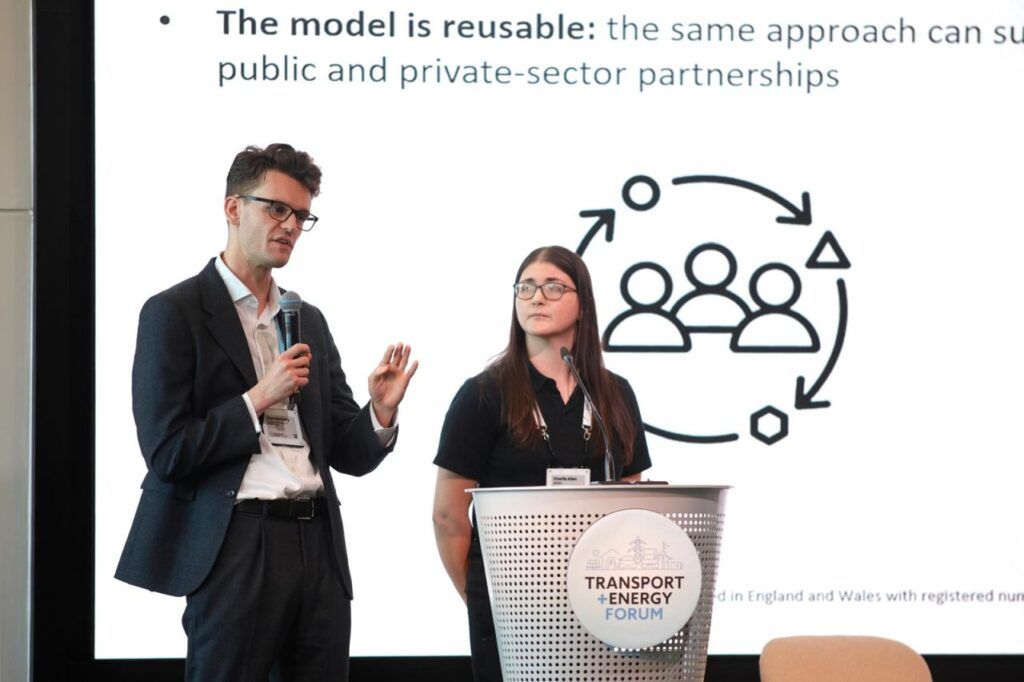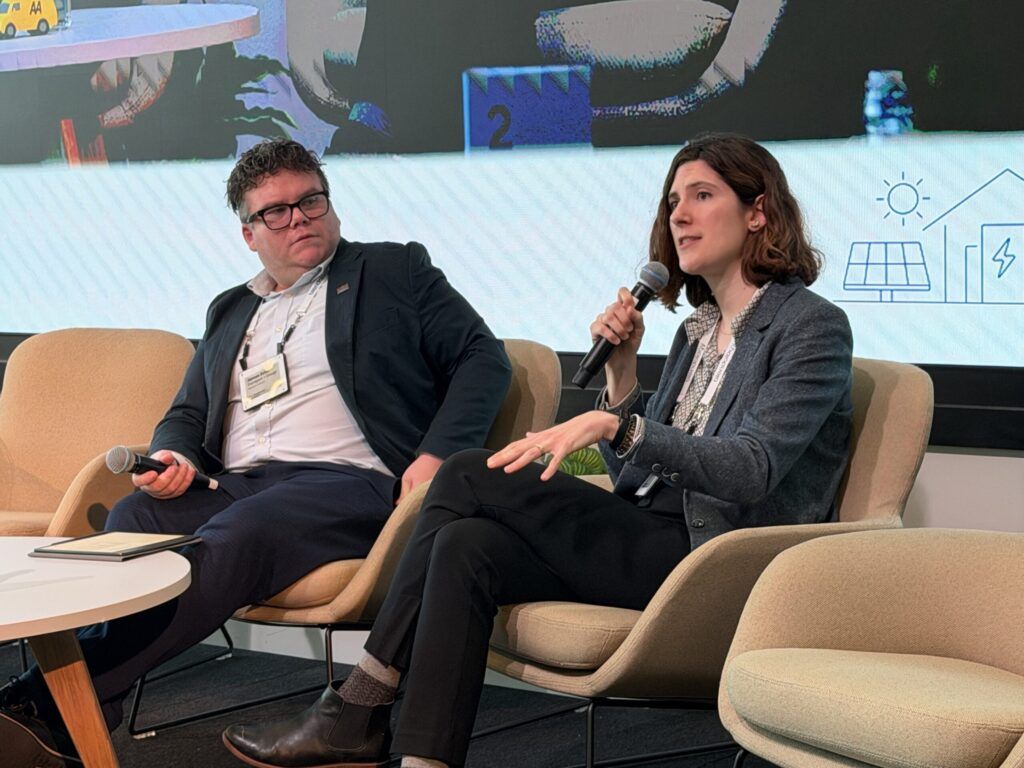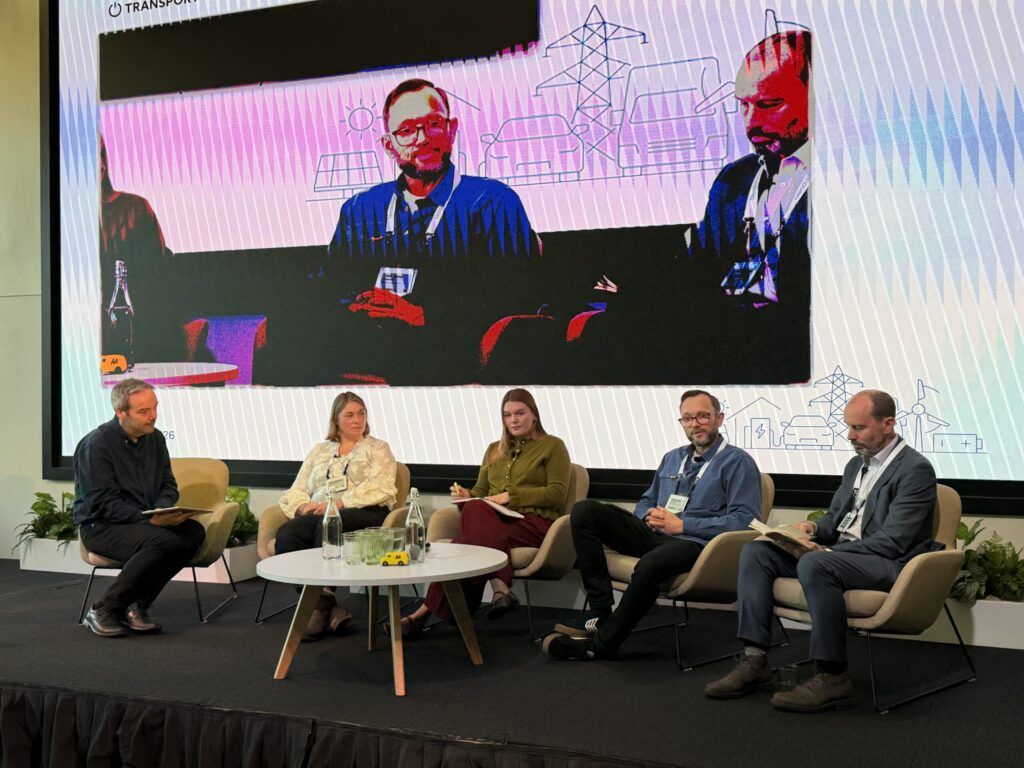
Collaboration was described as a key element of the ability for mobility-based local economic growth at the Transport + Energy Forum today.
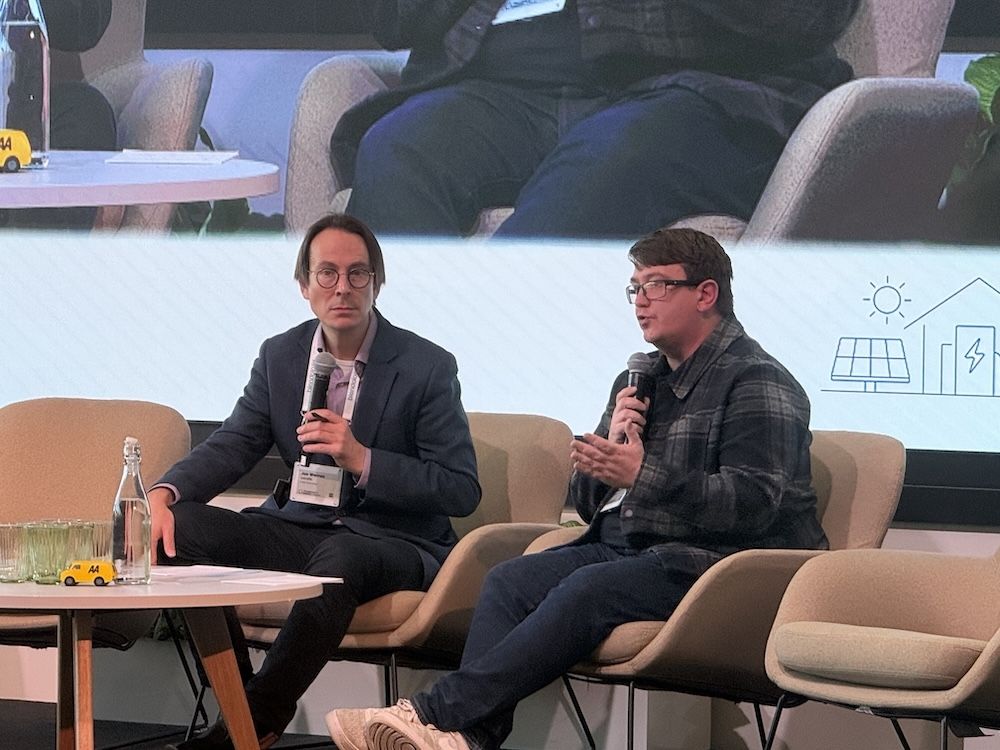
Chief Executive of think tank Localis, Jon Werran, spoke to Adept transport spokesperson and EV project manager Jason Smith from Kirklees Council, about how to delivery economic growth in local areas through mobility.
Smith responded to a comment on the 10-year plan and on Burnham’s plans to “rewiring the state”, saying: “I think devolution is the buzzword at the moment, particularly in West Yorkshire, where Kirklees is currently positioned. I previously worked at Transport for Great Manchester as well, so that kind of early stage of devolution has kind of jumped over the hill a little bit.
“So we’re just in a transition period. In terms of EVs, more strategic working with our partners, and some really strong relationships with other councils, and the combined authority, acts as a really strong kind of glue for that opportunity.”
When asked about his role as an EV manager, he said “it’s about understanding how we can work collaboratively”, and learning from those areas that that perhaps do have big networks and big cities, and how we can you know, strategically position them a bit better for our arguably more rural area of Kirklees.
Growth plans
Werran added that local government has been subject to many straitened circumstances, and asked Smith about the capability at local authority and strategic authority level to deliver on things like the local growth plan and the strategic development plan.
Smith said: “I think we’re getting better at it almost certainly. And and again, it’s about the policies and being able to allow them to be expansive enough for us to be able to to do that. Obviously, the money is great, but it needs to have the policy and the support behind it as well.
“Not just obviously the the major things like you know bus transport and rail rail network and collaboration investment into even train stations and electrification of the rail. It’s expansion of those policies and like you just touched on there, you know electrification. It is still relatively new. It is and it just needs that level of expansion. Looking at last mile, looking at things like on-demand transport, and even scooters was was just mentioned. Then you know what what can that do, and and it’s a bit of a strange and an unknown position.
“But do we have the policy and the opportunity to allow that to grow? You know, as these people come to university towns and cities, if they’re using these scooters to be able to just you know zip around campus and things like that, that’s one less car off the road. And as they move into the you know going back home or moving into major cities, is there an opportunity for them to continue that? That’s policy alongside the growth and the economic value.”
Collaboration
On innovation and collaboration he said: “We talked about the bus network before. That collaboration between public sector and private organisations has blended throughout time.
“We’re just trying to adapt it to different opportunities, particularly around electric vehicles. How can we better collaborate with external organizations? How can we meet their needs and they meet our needs? And that’s a challenge. It will always be a challenge, even things around procurement business cases.
“But they exist. It’s a way for us to extract that additional support, both monetary and understanding. A lot was talked about data and things like that.
“As a local authority, we don’t always have the time and the resource to sit down, break all these things down in terms of positioning. Collaboration with the private sector in in those manners can be really supportive.”
On the issue of collaboration between local authorities and areas, as well as other anchors such as higher education, Smith said:
New territories
” I think it’s just understanding these new territories, and particularly through LEVI and our opportunities to work, as I said, with the private sector.
“There just need to be some understanding between the two partnerships as well. They’ve got their drivers, and we’ve got our drivers. And, ultimately, we all want the same goal, but you know these things can be really challenging, and as I say, different local areas have different provisions and different ways of working, from procurement to legal.
“And it’s just getting that understanding between the two, and a lot of that does come from from the top as well in terms of that particular fund. 05:38
A question from the audience was also given about moving from public funding to commercialised model.
“It’s always about the right chargers, in the right place, at the right time,” Smith said.
“If the education isn’t there, the commercial and working with partnerships, isn’t quite there yet. It’s more about the right chargers in the right place right now.”