Energy Systems Catapult has released tools and resources to help HGV fleet operators across the UK accelerate their shift to electric trucks (eHGVs).
The resources are built on real-world insights from UK Government funded trials involving the deployment of 88 eHGVs and charging infrastructure across 33 locations.
They includes an interactive dashboard and financial planning tools to help the UK’s freight sector map its route to electrification, as the UK Government announces an additional £1bn into the decarbonisation of the sector.
The open-access resources have been developed by Energy Systems Catapult in collaboration with the eFREIGHT 2030 consortium, a group consisting of market leaders from the road freight and low-carbon energy industries.
Tools include:
- Results of national HGV uptake and energy system modelling carried out by Energy Systems Catapult on the infrastructure and energy demands that lie ahead.
- An interactive National Impacts Modelling Dashboard for policymakers to explore future freight scenarios and understand how they can influence the transition to Net Zero freight.
- Insights from early adopter fleet operators on the business models that matter most for those buying eHGVs and investing in depot-based charging.
- A Pre-feasibility eHGV Financial Assessment Tool to help fleet operators estimate costs, payback periods and carbon savings for different transition pathways including the installation of renewable generation and storage at truck depots.
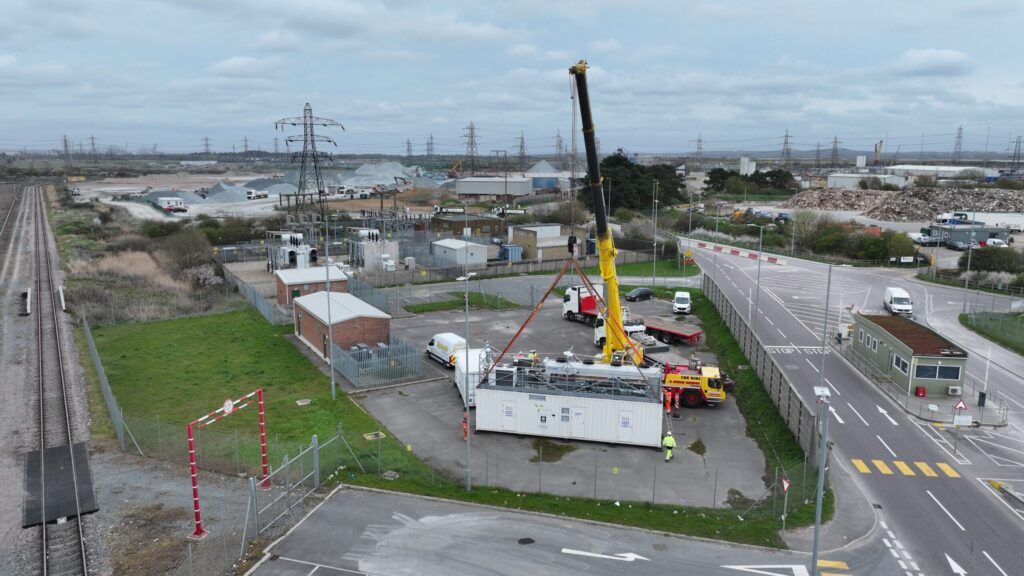
- Case studies from trial charging sites providing actionable recommendations for those in the transport and energy sector on integrating eHGV chargers, and identifying and overcoming challenges for the sites and energy networks that underpin them.
By sharing lessons across both sectors, the consortium aims to support commercially viable decarbonisation of road freight. Central to this will be understanding and planning the investment needed in eHGVs and the supporting infrastructure – from depot-based charging and grid reinforcement to on-site renewable generation and energy storage.
eFREIGHT 2030, led by megawatt charging infrastructure developer Voltempo, brings together the charging sector, vehicle OEMs and HGV fleets. The Energy Systems Catapult’s modelling and analysis for the project ensures stakeholders across the transport and energy sectors can capitalise on what’s been learned.
The news comes as Transport + Energy launches its Fleet Electrification Forum, including a session on the decarbonisation of freight.
Lowri Williams, eFREIGHT 2030 Project Lead for Energy Systems Catapult, said:
“These reports and open access tools will help fleet operators, energy network system planners, infrastructure providers, innovators and policymakers grasp the challenges and opportunities of transitioning HGVs to zero emissions.
“Today, we’re publishing resources that will help all of these stakeholders across sectors to unlock the underlying business models needed to accelerate their adoption of eHGVs.”
“Before these projects started two years ago, there were almost no eHGVs over 40 tonnes on UK roads and scant knowledge about how fleet operators and the energy sector would need to work together to reach a Net Zero future. We’re at the start of that journey, and the tools and insights we’re launching today give the stakeholders who need to work together a common language to plan their route ahead.”
Chris Welch, Managing Director of Welch Group, said:
“As one of the only SME operators in the ZEHID consortiums, we’ve spent over three years learning what it actually takes to run electric HGVs in general haulage and pallet network operations.
“The tools and insights the Catapult are releasing today translate that hard-won operational experience into something every fleet operator can act on, regardless of their size or resources. The transition to zero-emission freight can’t depend on every operator figuring it out alone and now, thanks to this work, they don’t have to.”
Image courtesy of Shutterstock