The global drive to accelerate electrification will not succeed unless energy systems are equipped to support sectors such as logistics, according to Logistics UK.
The call comes as the organisation launches its Energy and Infrastructure Insight Report 2026, which highlights how the sector increasingly considers decarbonising logistics as an energy, infrastructure and affordability challenge, and not simply a question of vehicle technology.
The report is launched as electrification took centre stage at COP31 in Antalya, Türkiye, where the conference’s Global Electrification Initiative seeks to increase electricity’s share of global final energy consumption to 35% by 2035.
Based on 14 in-depth interviews with senior representatives from the logistics and energy sectors, the Energy and Infrastructure Insight Report examines grid decarbonisation, connections, charging infrastructure, technology and innovation, hydrogen and low-carbon fuels.
Throughout the report, respondents emphasised the need for transport and energy policy to be aligned so businesses can make commercially viable investments in lower-carbon operations.
It also outlined how businesses cite an urgent need for faster connections, sufficient grid capacity, strategically located charging infrastructure and electricity prices that make electrification commercially viable for operators.
Copies of the report, that was sponsored by VEV, are available to Logistics UK Executive Members and a summary can be downloaded here.
Logistics UK’s Chief Executive Ben Fletcher said:
“Electrification is rightly at the heart of the discussions taking place at COP31. but for electrification ambitions to become a reality for UK businesses, we need action from the ground-up that will make it operationally viable. Decarbonising logistics is fundamental to the decarbonisation of all sectors, but we need significant action to remove the barriers that are making investment decisions commercially impossible.”
“Businesses are already investing significantly in electric vehicles and charging infrastructure but they are being asked to commit to major, long-term investments without certainty over when a grid connection will be available, what it will cost or whether electricity prices will support a viable business case. As demand for electricity increases, government must address the cost of industrial electricity in the UK, which is the highest in the G7, while ensuring the infrastructure needed to deliver power is planned and deployed at the pace required. This will provide logistics operators with the confidence to invest and continue the transition to a lower-carbon economy in a commercially viable way.
“COP31 has put a welcome focus on the scale of global electrification required over the next decade: the UK now has an opportunity to translate that ambition into an energy system that supports cleaner freight, resilient supply chains and economic growth.”
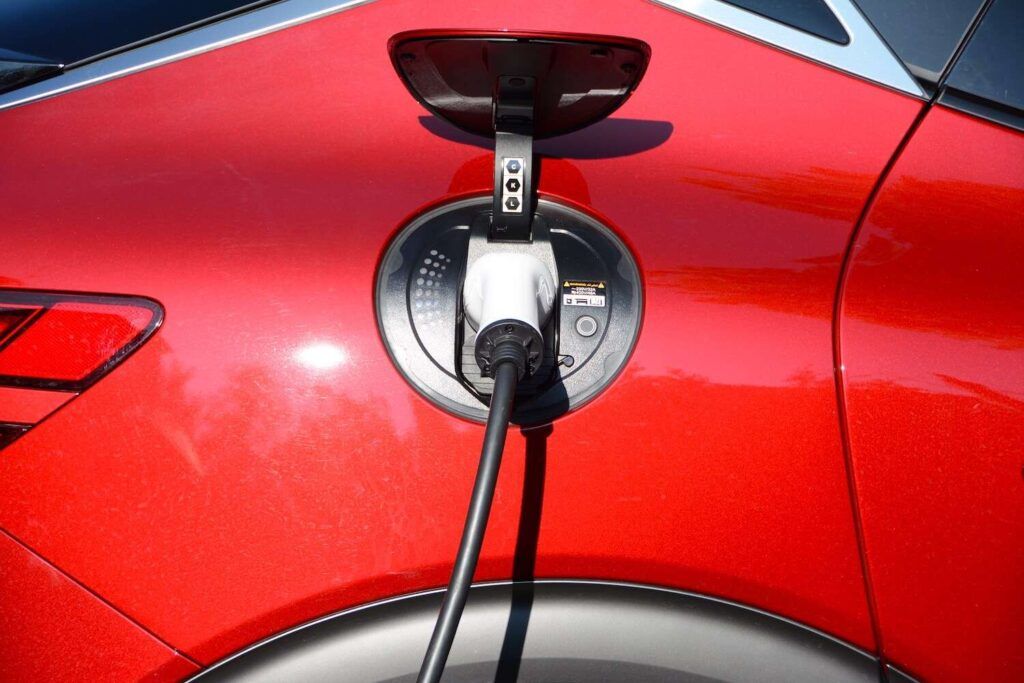
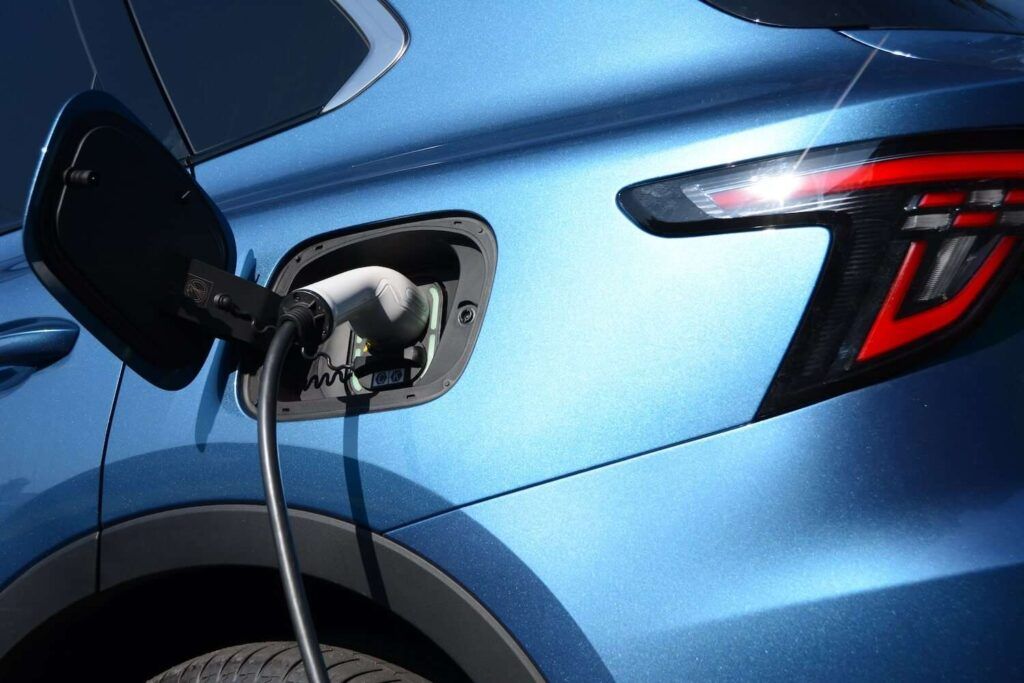
Image courtesy of Green Car Guide