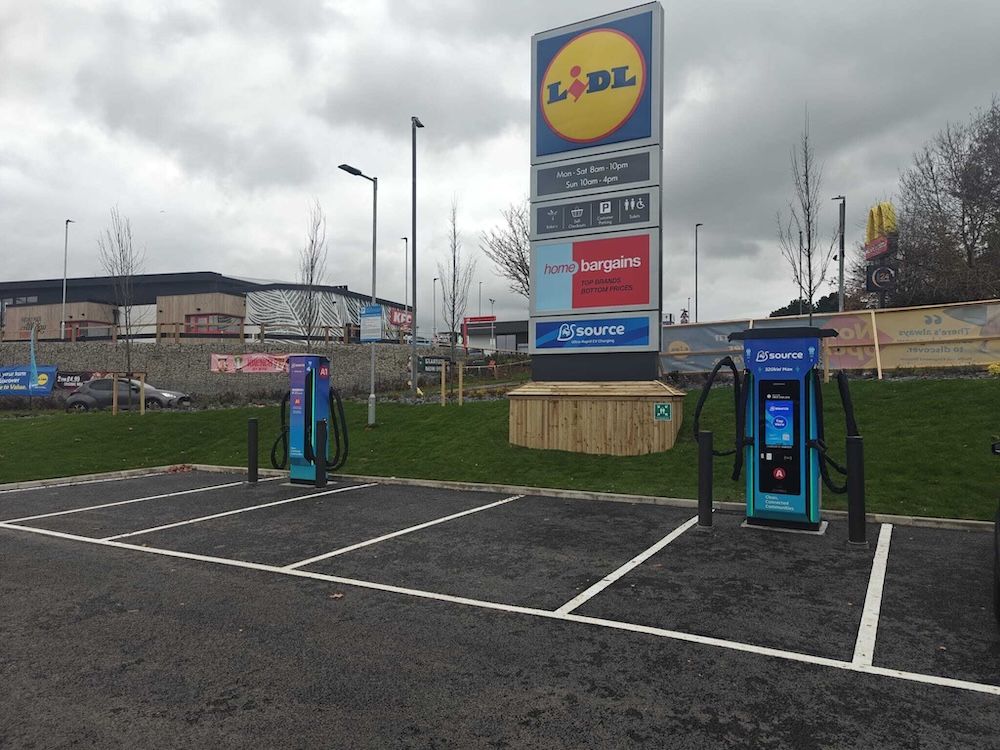
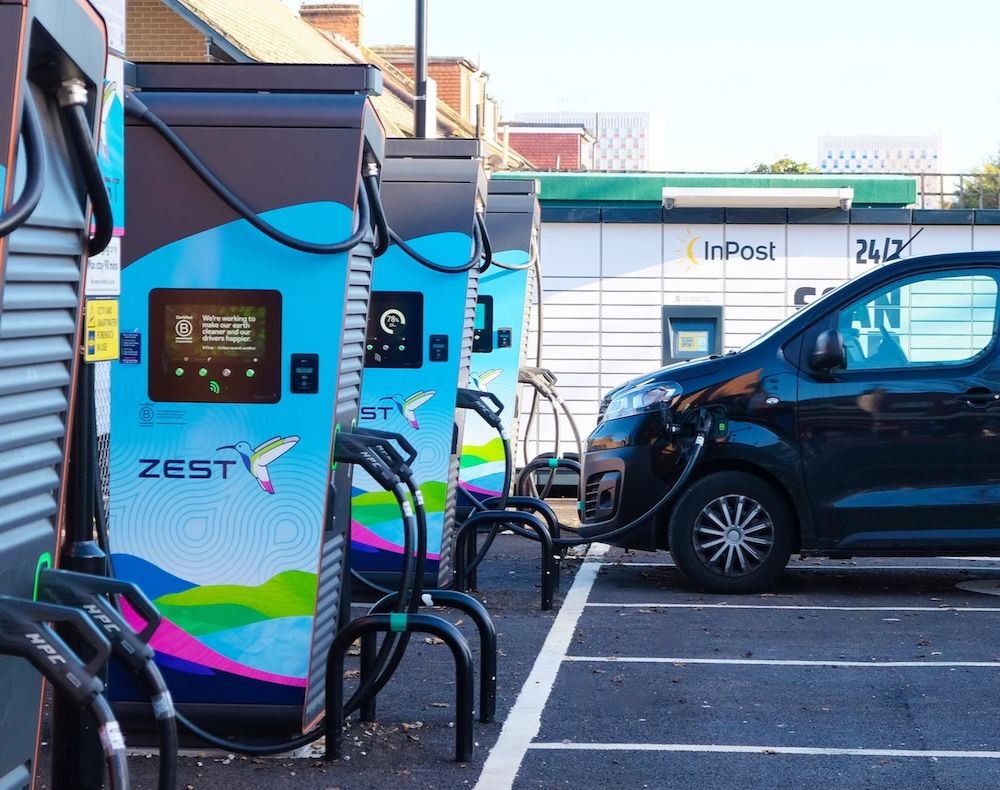
Rapid charging prices of £1 per kWh could become common from next year, according to a new impact assessment from publication The Fast Charge and charge point operator Zest.
The finding, which would see a rise from the current 79p per kWh in 2026, is outlined in the report, Reverse the Charge: How an Ofgem policy flaw is threatening EV take-up.
Based on tariffs published by the UK’s Distribution Network Operators (DNOs) and the National Energy System Operator (NESO), the report’s assessment found the average fixed grid charge for a standard rapid charger has risen from £61.47 a week in 2021 to £440.13 in 2026 – paid regardless whether a car plugs in. On tariffs already published for 2027, the same charger will pay £77.39 a day.
The news comes despite an additional £100 million from the UK Government to cut charging costs from the Budget, as the funding will only be available for local, lower-powered chargers, rather than rapid chargers.
Across the UK, Reverse the Charge estimates operators of rapid chargers will pay around £336 million in grid charges this year, rising by a further £77 million to £413 million in 2027, even if no new chargers are built.
Alongside possible changes to the ZEV Mandate and higher prices from energy networks in 2027, the assessment said there would be pressure for the UK’s charging networks to increase prices or take losses on low utilisation sites.
Freedom of Information requests to HM Treasury also revealed the UK Government was aware of the negative impact, with potential alleviation from cutting grid charges for EV charging yet to reach Ofgem for a decision.
The assessment also features two Zest sites, showing how little revenue is left at newly established charging sites while utilisation is still at normal early-stage levels. At an urban charging hub in Birmingham, electricity and grid costs take 48p of the 58p a driver pays per kWh before VAT, leaving just 10p to cover every other cost. At an on-street ultra-rapid charger in London, they take 58p of 64p, leaving only 6p.
Those remaining revenues must cover the power connection, land rent or purchase, civil engineering works, planning and legal fees, installation and commissioning, charging equipment, backend systems and payments, 24/7 driver support, landlord or council revenue share, maintenance and safety – as well as any other taxes and operating costs.
Reverse the Charge is calling on Ofgem to urgently fix capacity-based billing for EV charging, across both local and national grid charges, and on the Chancellor, John Healey, to back it, as the Government’s own review recommends.
Tom Riley, author of the report and Editor of The Fast Charge, commented:
“Grid standing charges are effectively a feudal tax, enabled by Ofgem without proper thought, with money going from a driver’s pocket straight to energy networks.
“At a time when the cost of running non-EVs is near a record high, the Government must do all it can to provide relief for people wanting to go electric so they can save money. At present, the UK is allowing a situation where going electric, especially if you don’t have a driveway, could be more expensive than sticking with a banger.
“The Government’s own review has confirmed what charging networks have been warning about. Ofgem has known about this problem for at least a year. It’s time to fix it.”
Robin Heap, Founder and CEO of EV charging network Zest, said:
“The switch to capacity-based network charges was never intended to put the brakes on EV adoption. For public charging, however, it has created an egregious cost burden that pushes up prices for drivers and means many otherwise investable charging projects are delayed or shelved.
“Energy-intensive industries already receive recognition that high electricity costs can damage investment and competitiveness. Public EV charging faces the same structural problem, yet CPOs receive no equivalent protection despite building infrastructure essential to the UK’s transition to electric transport.
“The solutions have been developed by the energy industry and are ready to implement. Reforming these charges would bring stalled projects back into play, unlock private investment and give drivers better access to affordable, reliable charging, particularly those without the option of charging at home.”
Image courtesy of Zest