The UK is lagging behind other major economies on electrification of its energy system, ranking 15th in the G20, according to analysis from the Energy and Climate Intelligence Unit (ECIU).
It comes as Prime Minister Andy Burnham is due to speak this morning at the COP31 summit in Antalya, Türkiye, where countries are focused on a proposed new target of 35% electrification by 2035.
This means countries would aim for around a third of everyday energy uses like heating or transport running on electricity rather than by burning oil or gas. ECIU’s analysis of the latest (2024) data from the International Energy Agency shows South Korea has already exceeded this target, with Japan close at 34.6%.
As of 2024 the UK was averaging 22.1% electrification of its industry, buildings and transportation sectors – underperforming peer economies like France (27.8%) and Australia (25.9%), as well as emerging economies such as Indonesia (25.2%) and South Africa (31%).
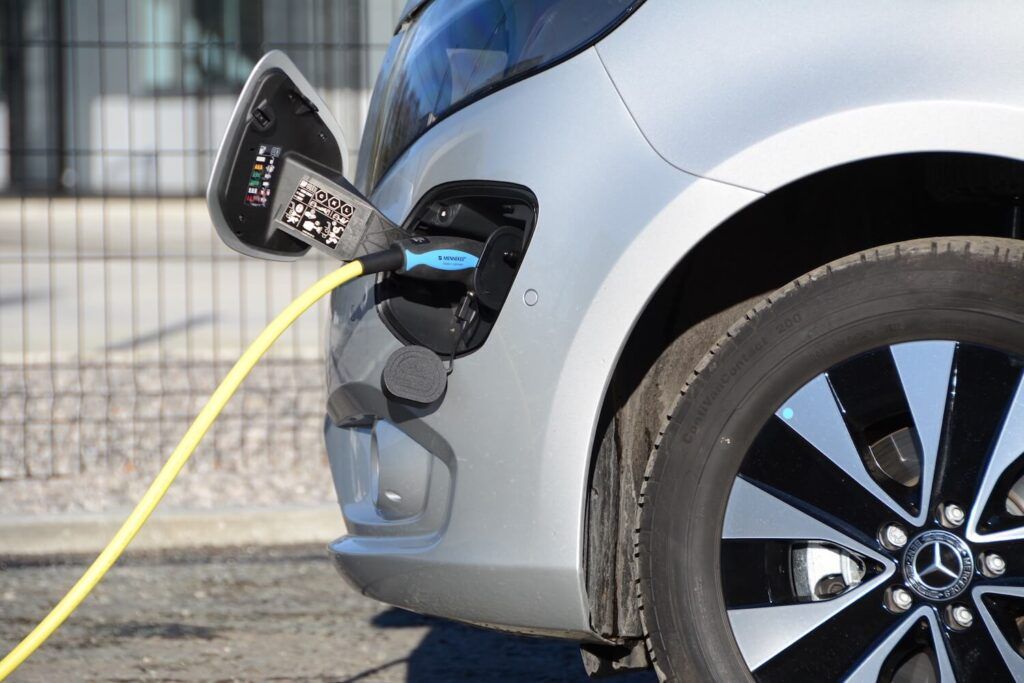
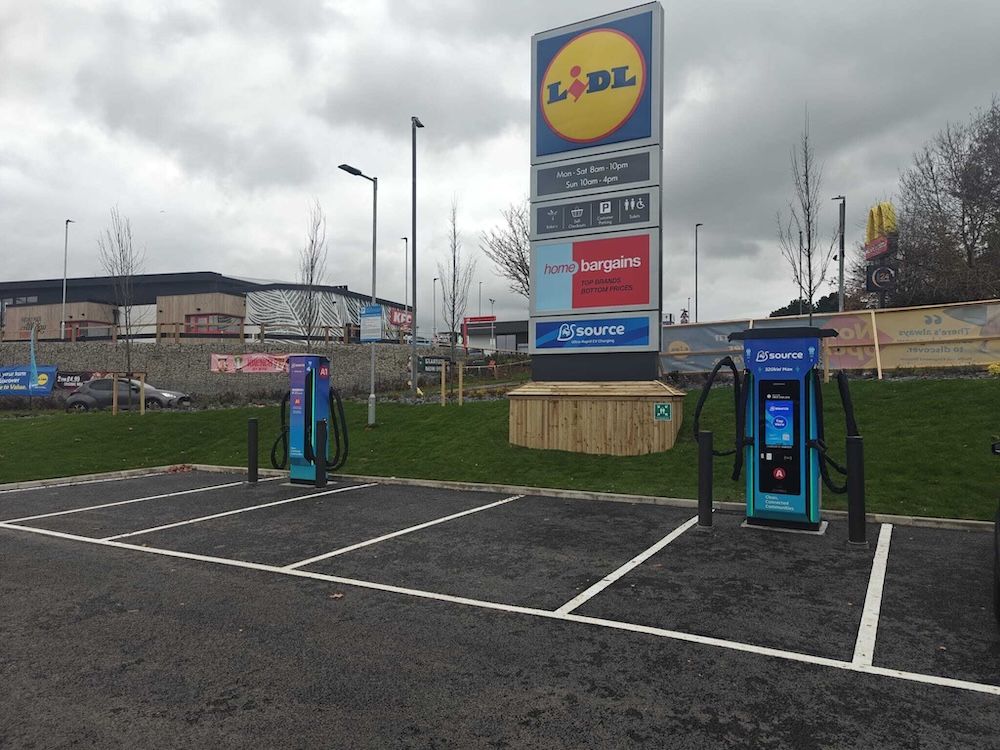
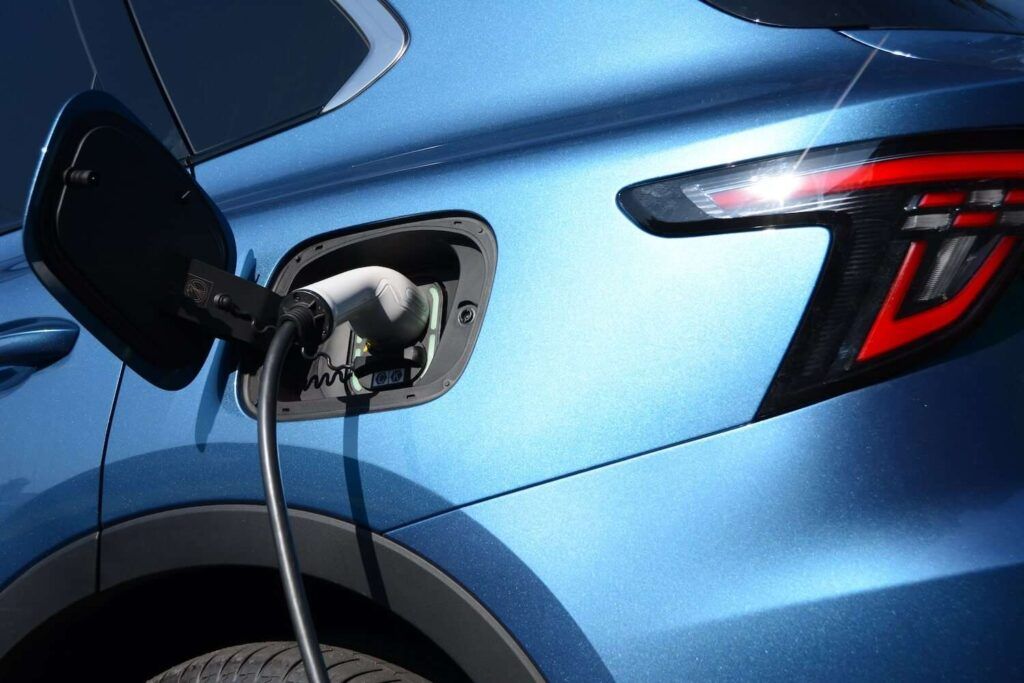
For UK households, electrification is largely about two shifts: moving to electric vehicles (EVs) and switching from gas boilers to electric heat pumps.
According to Electrify Britain’s State of Electrification research, a home and car run on electricity – even at current electricity prices – can be up to £2,600 a year cheaper, saving up to 85% of household costs. Both EVs and heat pumps are supported by policies that have recently been cut, or where the future is in doubt.
On EVs, despite October 2026 data showing one in three cars sold in the UK are now fully electric, the UK’s EV sales targets remain in question – with Ministers reportedly considering significantly watering down regulations that incentivise manufacturers to bring the best selection of affordable EV models to the UK market.
Gareth Redmond-King, Head of the International Programme at ECIU said:
“It’s no coincidence that, amid another global energy crisis triggered by Trump’s war in Iran, electrification is a major focus at this year’s COP. While foreign conflicts and the decisions of distant governments can send oil and gas prices soaring, the more of your economy you power with clean electricity generated at home, the less vulnerable you are to wars, price spikes and geopolitical shocks.
“That’s why this target is different from the ones we are used to seeing at COPs. Electrification is not only a climate goal, it’s an energy security strategy that provides a real solution to the multiple fossil fuel driven cost-of-living crises we’ve experienced over the last several years, while also cutting dangerous climate-changing emissions.
“If the UK is serious about getting households off the ‘fossil fuel rollercoaster’, it needs to get serious about electrification, especially with EVs and heat pumps – as these are the areas where families will really feel the benefits.”
Image from Shutterstock