Analysis by ChargeUK has revealed the biggest savings gap for public electric vehicle (EV) charging compared to petrol and diesel prices, since the start of the 2026 energy crisis.
Volatile petrol and diesel prices have swung 33 and 42% respectively in 2026, while public and home EV charging prices have remained stable.
Petrol and diesel has recently surged to a 12% gap, with a pence per mile using a blend of standard and rapid public EV charging now 16p compared to petrol’s 19p.
This equates to an annual saving of £152 on public charging for those driving 7,100 miles.
Whilst there is a lack of reliable average price data for public EV charging going far back enough, ChargeUK has stated, based on petrol and diesel price trends, it is likely that now is the biggest gap in EV charging savings since pre-2022 energy crisis.
The moment comes as the government reviews its flagship EV policy the Zero Emission Vehicle mandate (ZEV mandate) which sets car-sellers’ EV sales quotas, considering reducing the volumes of electric vehicles required to be sold.
ChargeUK’s modelling indicates that the most extreme options being considered could lead to over three million fewer EVs by 2030, resulting in millions of drivers continuing to pay more for petrol.
Shane Brennan, chief executive officer, ChargeUK said:
“Switching to electric driving is one of the biggest cost-of-living adjustments a household can make. This is true today, will be this winter, and for the long term. Now is the time for the government, the automotive sector and all other influencers to come together and accelerate the transition.
“Consumers are voting with their feet, as new and used EV take up breaks all records this year. It is therefore absurd the government is considering weakening EV targets, exactly the wrong signal at the wrong time. We should instead be taking deliberate action to remove the pricing inequalities and policy failures that are getting in the way of making electric driving even cheaper and more resilient to global crises in the fossil fuel market.”
The association has called for the 20% VAT rate on public charging to be equalised with domestic electricity, currently at 0%, addressing the unfairness of the ‘driveway divide’ between those who can charge at home and those who cannot.
It has also called for government to address skyrocketing standing charges on charge points and to implement the type of renewable fuel credit scheme which is successful in Europe. Lowering the cost of public charging would ensure savings versus petrol are permanent — which ChargeUK’s polling indicates would increase EV demand by nearly 50%.
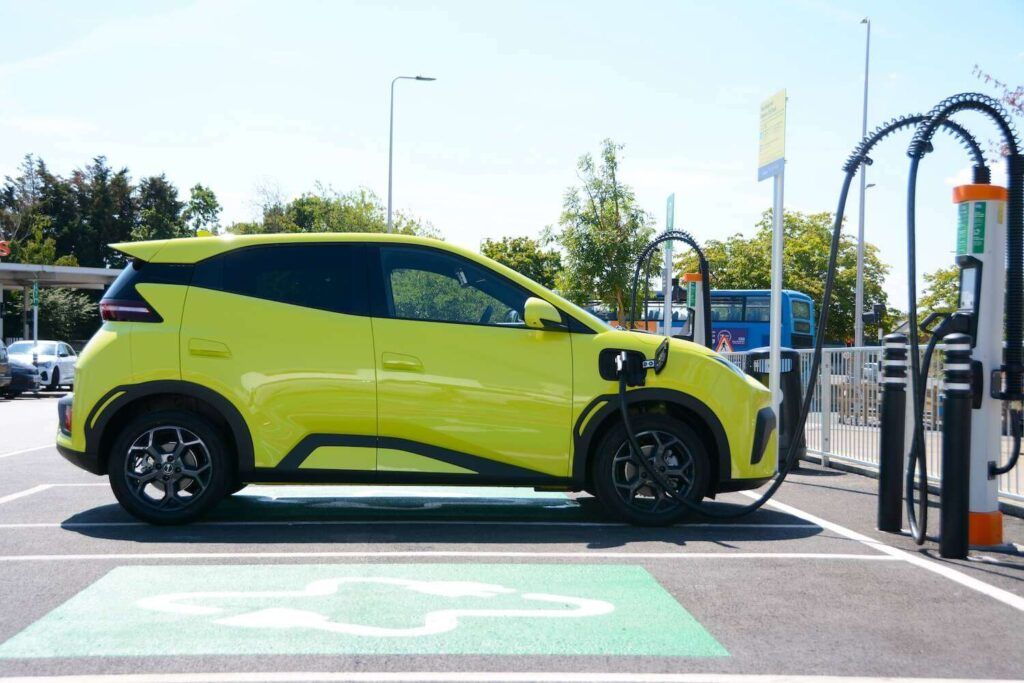
Image courtesy of Green Car Guide