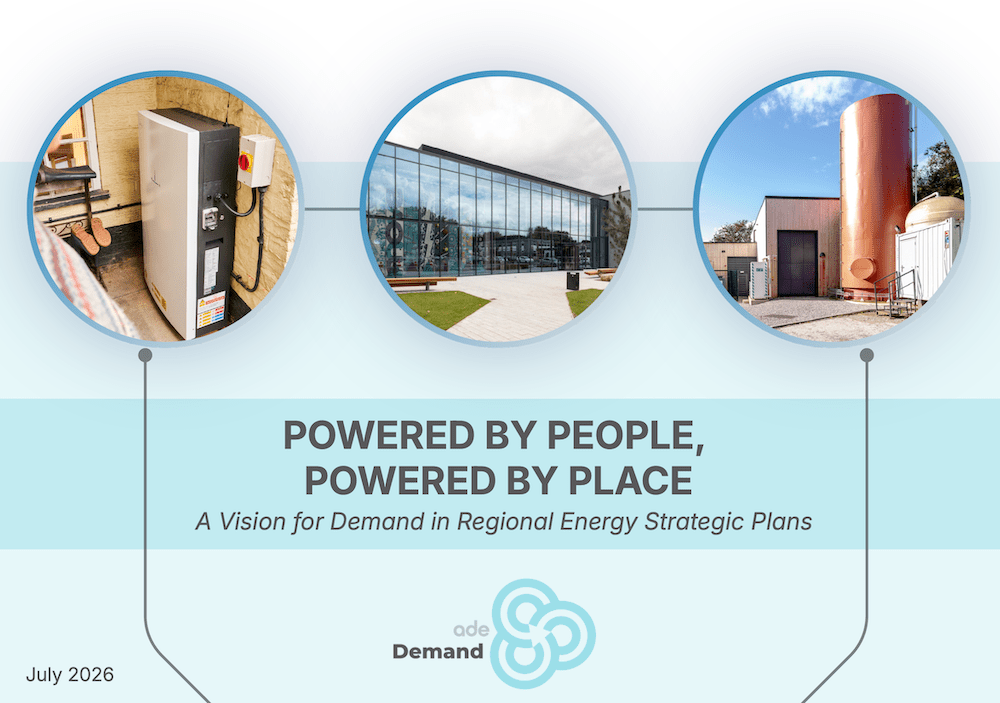
Britain could avoid unnecessary electricity infrastructure, lower bills and make better use of renewable power by paying consumers to balance the grid instead of building more network capacity, according to report from ADE: Demand.
The energy trade body’s study, Powered by People, Powered by Place, said the country’s new Regional Energy Strategic Plans (RESPs) should treat consumers as part of the energy system.
RESPs, currently being developed by the National Energy System Operator (NESO), will determine where billions of pounds of investment in Britain’s electricity, gas and hydrogen networks are directed over the coming decades.
They are intended to identify the cheapest and most effective way to deliver secure, affordable, low-carbon energy across every region.
ADE: Demand argues that the plans risk defaulting to an outdated “predict and provide” approach where the energy system operator forecasts higher electricity demand and then build more cables, substations and pylons to meet it.
Instead, the report says planners should first ask whether some of that investment could be avoided by rewarding households, businesses and industry that can shift when they use electricity, store energy, generate power on site or otherwise reduce pressure on the network.
Where these solutions save consumers from paying for expensive new infrastructure, the report argues that some of those savings should be shared with the people and organisations making them possible.
The report recommends that electricity network operators should be required to compare new network infrastructure with demand-side alternatives before deciding to reinforce the grid.
Ocean Fay, Policy Manager at ADE: Demand and author of the report, said:
“Before asking consumers to pay for another pylon, we should first ask whether people, businesses and communities could solve part of the problem themselves. Millions of consumers are becoming active participants in the energy system.
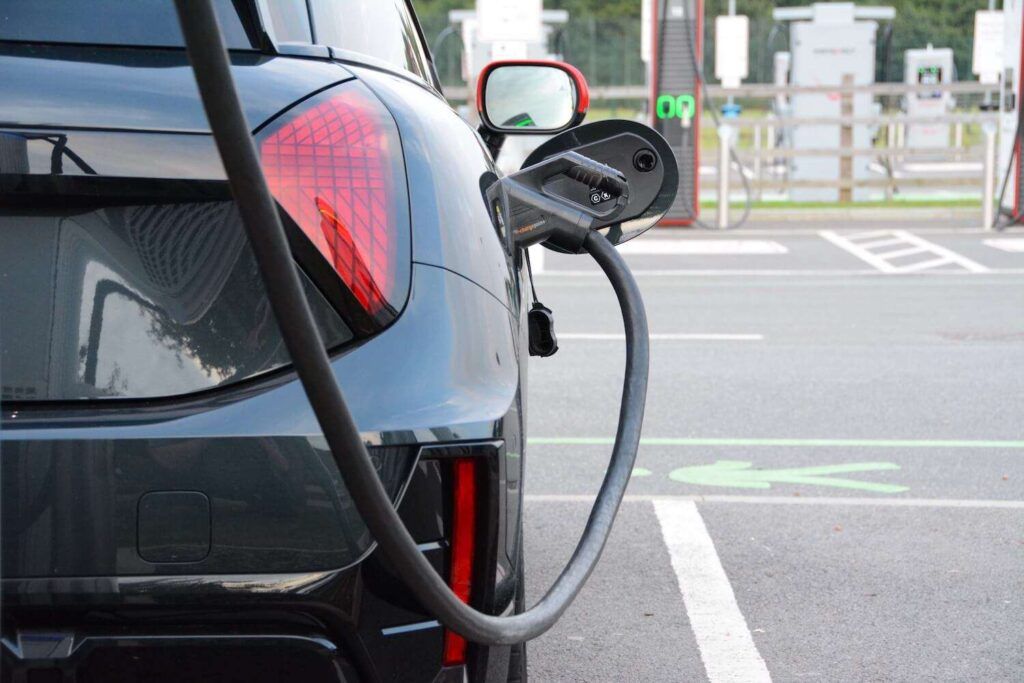
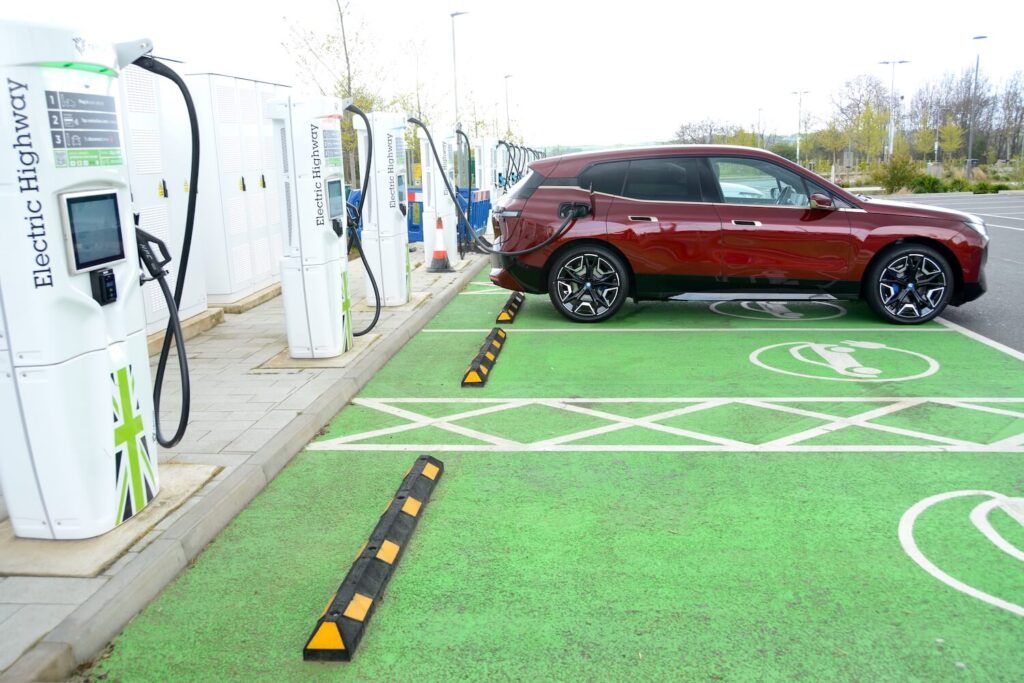
“Smart charging, batteries, heat networks, thermal storage and flexible industry can all reduce pressure on the grid. If those actions save everyone money by avoiding unnecessary infrastructure, consumers should share in those savings.
“Regional Energy Strategic Plans are a once-in-a-generation opportunity to modernise how we plan our energy system. They should be planning for what consumers can do to help deliver it more efficiently.”
Image of report courtesy of ADE