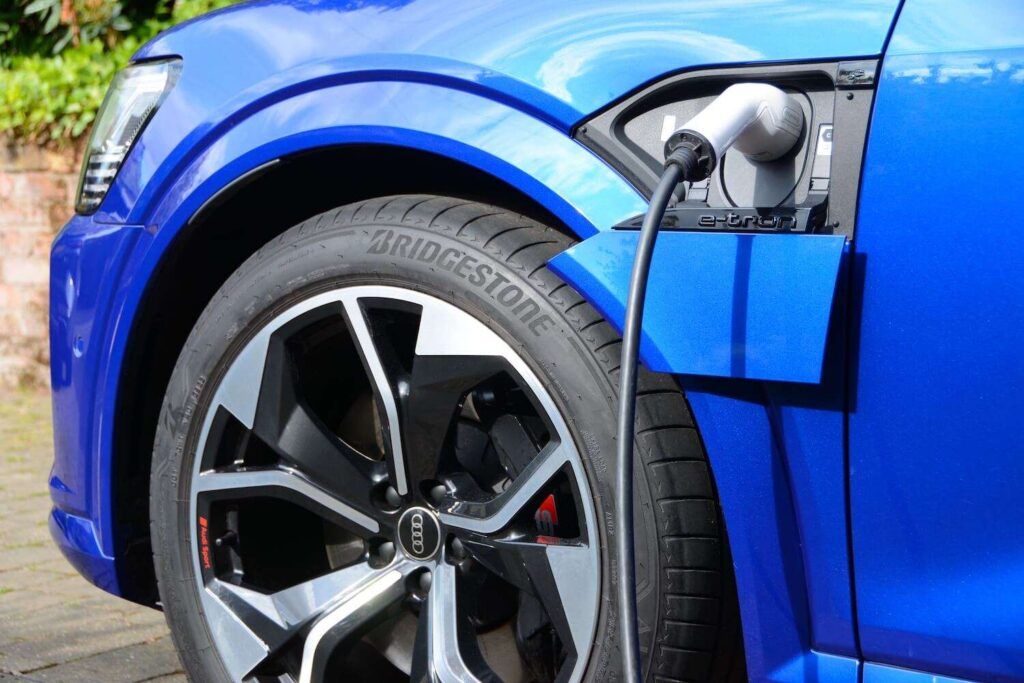
An uplift in new car registrations was “driven entirely” by electrified vehicles, reaching almost a third of the total (30%), according to new figures by the Society of Motor Manufacturers and Traders (SMMT).
The SMMT said that growth was driven by a wide choice of models and powertrains providing lower and zero emission mobility, and an expanded pool of brands operating in the UK.
Plug-in hybrids (PHEVs) also took 12.5% of the market, while hybrids (HEVs) accounted for 14.0%. The total UK new car market’s recovery continued in June, with registrations rising 11.4% to reach 213,166 units in the best performance for the month since 2019.
Growth was recorded across all sectors, with registrations by private buyers up 12.5%, fleet deliveries increasing by 10.5% and the smaller business segment posting a 17.1% rise.
Fleets continued to comprise the lion’s share of the overall market, accounting for six in 10 (59.5%) new cars registered.
Despite the strong figures, and the market being driven by electrified vehicles, the SMMT continued its call for “urgent reform” of the ZEV Mandate, stating compliance was “unsustainable”.
Mike Hawes, SMMT Chief Executive, said:
“June’s performance is very strong, showing EV uptake is growing, with battery electric cars reaching their highest market share this year and more than half of buyers choosing electrified models. But even these record levels are still not enough to meet mandated targets.
“Manufacturers are investing billions developing and bringing the vehicles to market – and spending billions more to sell them, yet the market is still not moving fast enough. Reforming the mandate now is essential not just to keep the transition on track but to protect the UK’s competitiveness, attract investment and safeguard jobs.”
The industry has welcomed the figures, stating it hails a “mainstream moment” for electric vehicles.
Adam Wood, Managing Director of Renault, which has recorded a 37% share of EV sales this year off the back of successful launches of the Renault 4 and Renault 5, said:
“The recent oil price crisis has added significant further impetus to the EV market, underlining one of the key benefits of making the switch; affordability. We are at a tipping point, where stylish, practical and capable EVs are available at appealing prices, and with fuel cost savings that we estimate to be £650 a year on average, buyers can now make the switch with their head and heart.”
Ben Nelmes, CEO at New AutoMotive, said:
“June’s data shows that electric cars are rapidly becoming the mainstream choice for British drivers. With one in three new cars registered in June being fully electric, motorists are switching at an extraordinary pace.
“As petrol and diesel sales continue their steady, structural decline, it’s clear that drivers are voting with their wallets. EVs offer families and businesses lower and predictable running costs, a superior driving experience, and an escape from the volatile global oil markets that have squeezed household budgets for too long.”
Gurjeet Grewal, CEO of Octopus Electric Vehicles, said:
“Just a decade ago, less than 1% of new car buyers were choosing electric – now it’s nearly a third. That shows how far and how fast the market has moved. EVs have gone mainstream because the case is clear: many new models are now at price parity with petrol cars, while second-hand EVs are often even cheaper. With lower running costs, cheaper charging and tax savings, for more drivers the maths simply stacks up.”
Ginny Buckley, the chief executive of Electrifying.com, the electric car buying and advice site, said:
“These figures show a car market that may finally be regaining the momentum it enjoyed before the pandemic, with EVs leading the charge. Buyers are making sensible, practical decisions – choosing electric because they’re cheaper to run, better to drive and protect them from volatile fuel prices. That’s good news not just for consumers, but for dealers too. Electric cars are no longer the alternative, but are becoming the mainstream choice.”
Delvin Lane, CEO, InstaVolt, said:
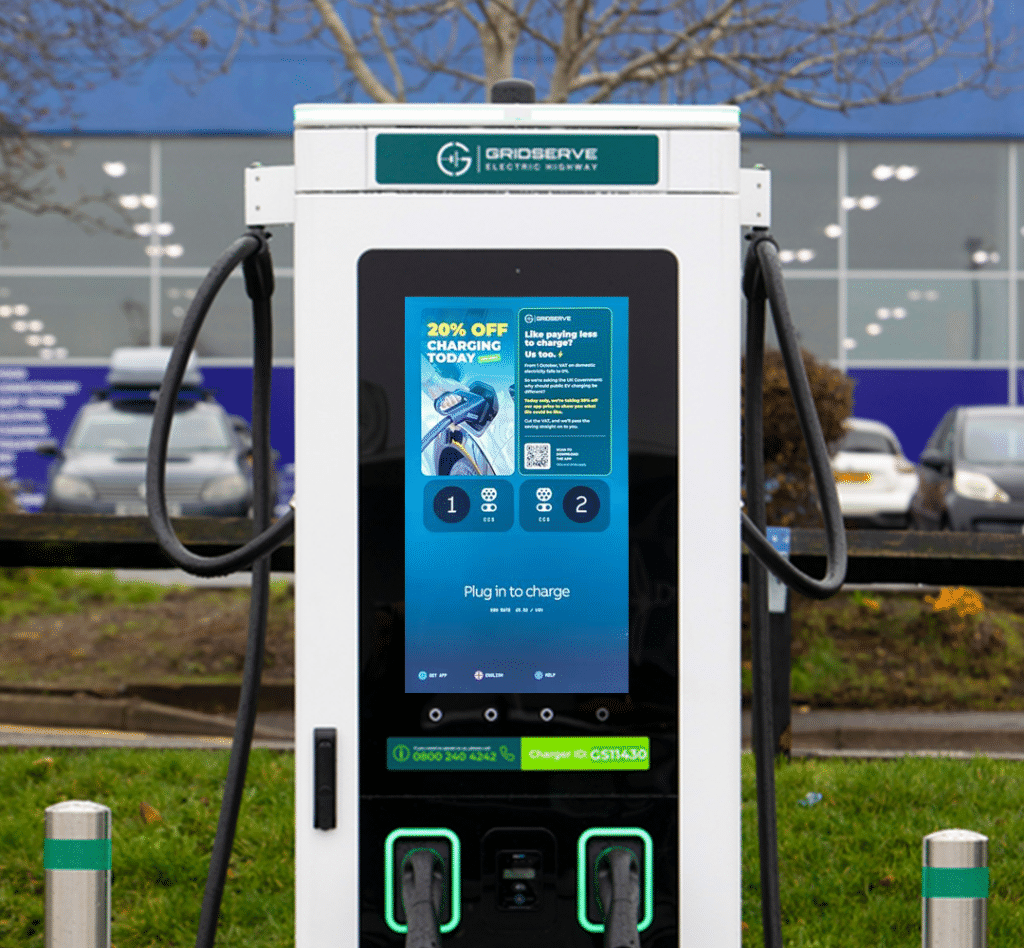
“30% market share doesn’t happen without confidence in the charging network behind it. Every month that coverage, reliability and utilisation data improves, driver hesitation drops with it. We’re seeing that translate directly into registrations. The network is doing its job. Consumers are driving demand as they switch to EVs which are loaded with tech, better to drive, and save drivers money. Honestly, there’s never been a better time to make the switch; car manufacturers, take note!”
John Lewis, CEO, char.gy, said:
“Hitting 30% is brilliant, but the real story is what’s next. This growth has been powered by drivers with a driveway and access to home charging. Now we need to bring that same convenience to the two in five UK households who park on the street – that’s the next chapter of this transition.”
Tanya Sinclair, CEO, Electric Vehicles UK, said:
“Almost one in three new cars sold last month were fully electric. We’ve hit the mainstream. The infrastructure is scaling, the choice of models is widening in every segment and the cost of running these cars is lower. For drivers, that means lower bills, fewer forecourt visits, and a smoother, quieter drive. Government just needs to align itself with the British motorist’s direction of travel – not certain carmakers lack of ambition – towards an electric future.”
Colin Walker, Head of Transport at the Energy & Climate Intelligence Unit (ECIU), said:
“Data showing such impressive EV sales figures puts calls by the car industry for the Government to weaken its EV sales targets in a different light. With the car industry on course to comply with these targets for the third year running, the Government can keep its foot on the accelerator – the ZEV mandate is incentivising competition between manufacturers, bringing prices down and helping an increasing number of regular families make the switch to electric driving and cut their driving bills in the midst of a cost of living crisis.
“Were the Government to weaken the mandate yet again, it would be choosing regulatory uncertainty over stability. EV sticker prices could bounce back up, and the UK would remain dependent on volatile oil imports. Manufacturers would also be incentivised to sell more plug-in hybrids, which typically cost more to buy than EVs, and cost significantly more to run than is claimed – another dieselgate scandal in the making. Furthermore, with 75% of the cars made in the UK exported, and the world rapidly embracing EVs, such flip-flopping would risk of a repeat of the mistakes of the 70s and 80s when a failure to modernise in the face of competition from abroad decimated the UK car industry, costing thousands of jobs.
“Unsurprisingly, calls for the ZEV mandate to be weakened are being led by laggards who have been left behind in making the switch to building electric vehicles. The question for the Government is are there other ways they can support the likes of Toyota and Jaguar Land Rover, rather than change the whole mandate which won’t incentivise modernisation, will discourage investment in our economy, and leave regular families stuck paying much higher driving bills?”
Melanie Lane, CEO, Pod, said:
“Today’s record figures mark another important milestone for the UK’s transition to electric mobility, with BEVs reaching 30% of registrations – a new high. Sustained industry investment, better consumer choice and improving affordability are all contributing to record figures month on month.
The fact that the sector remains on track to meet this year’s ZEV mandate should give policymakers confidence that the framework is doing its job and working as intended. The priority for any new Government must be to deliver a stable, long-term policy environment that gives manufacturers, charging providers and drivers the confidence to keep investing and accelerating the UK’s transition to electric mobility.”
Image courtesy of Green Car Guide