The Zero Emission Vehicle (ZEV) Mandate is one of Britain’s “most successful market-based industrial policies”, according to a new report.
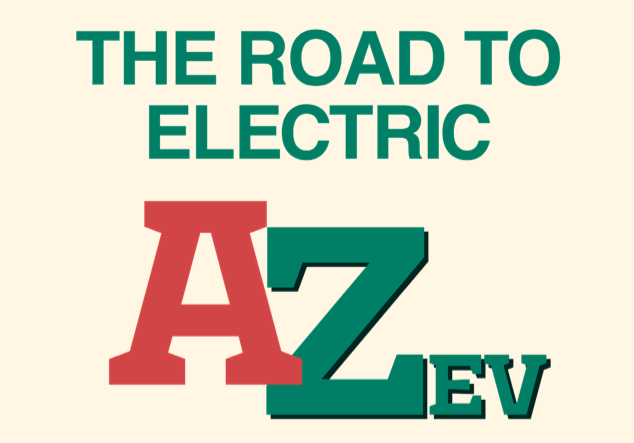
The study, A-Zev: The Road to Electric, produced by New Automotive with contributions from industry and Octopus Electric Vehicles, Electric Vehicles UK, ChargeUK, and Transport & Environment UK, shows the Mandate has created £41bn investment since 2020, and could add £385bn by 2035.
It comes as reports on Sunday (14 June) suggest that the Prime Minister Keir Starmer is considering diluting the Mandate, reducing the top-line figure of 80% of new car sales being battery-electric by 2030 to just 50%.
Alongside the large direct financial benefits to the economy, the current Mandate will also produce 334,000 job roles across the EV sector by 2035.
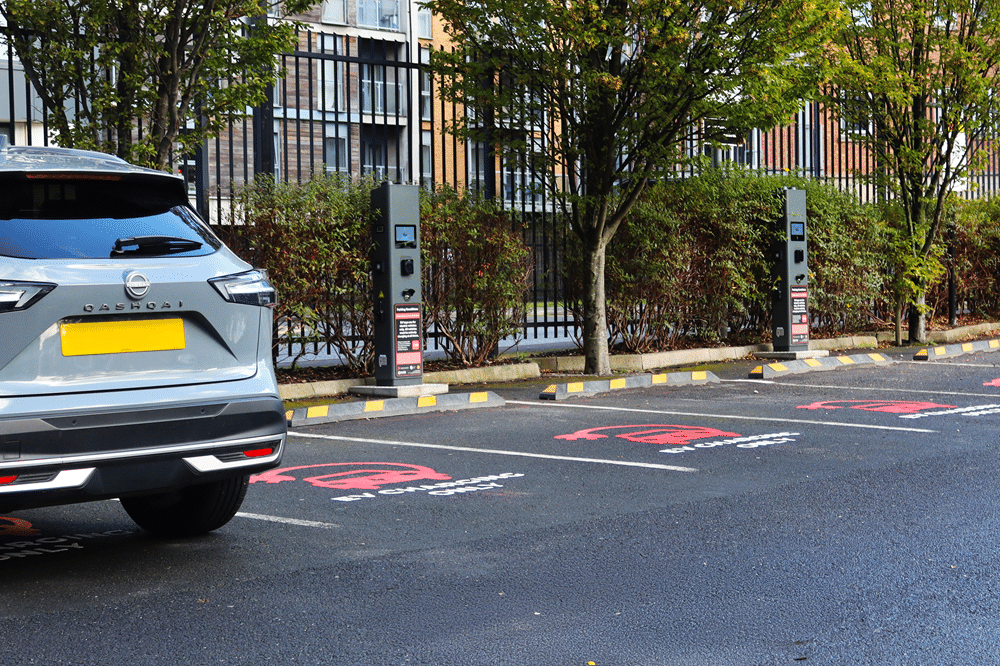
In addition, the Mandate has assisted with creating the business certainty to double the public charging network to more than 120,000 charge points, driven manufacturer competition and downward price pressures, with around 470,000 battery-electric vehicles sold, which is nearly double pre-Mandate levels.
But industry leaders are now warning that weakening the Mandate could put progress at risk, just as the global EV manufacturing race enters “a decisive phase”.
Crucially, EVs also assist with the cost-of-living crisis – a crucial policy plank of the current UK Government – reducing costs annually for the average household by £900 through lower fuel and running costs.
The UK still spends around £43 billion each year on oil imports, with transport accounting for almost 60% of that demand.
It comes as Chinese manufacturers “continue to expand aggressively across global markets” with the report arguing that policy certainty “remains the single most important factor in attracting long-term capital, supporting domestic manufacturing and ensuring Britain remains competitive”.
A report by ChargeUK last week also revealed that the EV charging sector could contribute £15.5bn alone to the UK economy, if the Mandate remains “stable”.
Ben Nelmes, CEO / Founder, New AutoMotive, said:
“The ZEV Mandate is one of the most successful industrial policies Britain has introduced in decades. It has helped deliver two million electric cars, supported more than £41 billion of investment commitments and accelerated competition between manufacturers. The question now is whether Britain builds on that success or puts it at risk. The worst signal the government could send to investors is uncertainty.”
Tanya Sinclair, CEO, Electric Vehicles UK said:
“The ZEV Mandate is not an abstract regulation. It is a framework that encourages manufacturers to compete harder, invest more, and deliver better value. Protecting it means protecting a future where buying and running a car becomes more affordable, flexible and convenient for all of us.”
James Court, Director of Policy, Octopus Electric Vehicles, said:
“Electric vehicles are already helping families cut transport costs while reducing Britain’s exposure to volatile global oil markets. Every additional EV makes our energy system more efficient, more resilient and ultimately cheaper for consumers.”
Vicky Read, CEO, ChargeUK said:
“A U-turn on the ZEV Mandate would not only halve investment in the critical charging infrastructure needed for the transition, it would undermine the UK’s credibility as a market worth investing in at all. The government can either crumble to legacy auto lobbying or stand firm on a policy which can bring cleaner, cheaper driving to millions, contribute hundreds of billions to the economy and create hundreds of thousands of jobs.”
Tim Dexter, Vehicle Policy Manager T&E UK:
“In a world that feels increasingly unstable, it is vital that UK households are protected from volatile fossil fuel markets that can push up the cost of the daily commute, the school run and running a business almost overnight. Recent geopolitical crises have shown how exposed we remain to global oil shocks. Accelerating the transition to electric vehicles is now an energy security and economic necessity, reducing reliance on imported oil and shielding households from price spikes.”
Image of report courtesy of New AutoMotive