Battery-electric vehicles (BEV) accounted for 27% of new car registrations as the UK accelerates towards the ZEV Mandate goals, according to new figures.
Registrations were up 31% compared to May last year, New Automotive reported, making BEVs the fastest growing segment of the market and reinforcing the growing demand for EVs among UK drivers.
The overall car market grew by 6% in May, but growth was driven almost entirely by vehicles with a plug. Combined BEV and PHEV registrations rose by nearly a quarter compared to last year and now account for more than 40% of all new car registrations.
Petrol registrations fell by 14%, diesel by 6%, and hybrid growth was largely flat. May was also a record-breaking month for the UK’s electric van market, with registrations rising by 33% year-on-year, making them the fastest-growing mainstream van powertrain.
Separate figures by the Society of Motor Manufacturers and Traders (SMMT) revealed BEV uptake increased 34.2% to take 27.3% of the market.
Hybrid electric vehicle (HEV) uptake rose 1.8% and plug-in hybrid deliveries grew 23.9% to take an enlarged 13.8% market share, it stated. BEVs account for 23.9% of the market for the year to-date.
Ben Nelmes, CEO at New AutoMotive, said:
“The missing piece of the puzzle for the UK’s EV transition is finally in place.
“Carmakers have invested billions to bring a wide range of accessible electric models to market. Now we see decisive evidence that consumer demand is surging as motorists, spurred on by global events and rising fuel prices, are opting for electric cars.
“Electric cars offer Britain a critical opportunity to improve energy security, strengthen our economy and build resilience in an increasingly unstable world.”
Tanya Sinclair, CEO, Electric Vehicles UK, said:
“Why are we told that the public isn’t ready, and the demand isn’t there? 27% says otherwise. This is the mainstream choosing electric on its own terms, because it’s cheaper to run and better to own. Instead of scare-mothering about readiness, let’s all ensure supply, charging and policy keep pace with a market that’s going electric at pace.”
Ginny Buckley, the chief executive of Electrifying.com, the electric car buying and advice site said:
“The latest figures should finally put to bed the old chestnut that drivers don’t want electric cars.
“Car buyers aren’t choosing EVs to make a statement, it’s because they’re cheaper to run, enjoyable to drive and less exposed to the volatile global oil prices that can send fuel costs soaring overnight.
“It’s time to stop talking about electric cars as an ‘alternative’, because these numbers put EVs firmly in the mainstream of the UK car market.”
Gurjeet Grewal, CEO, Octopus Electric Vehicles, said:
“Month after month, the UK is proving that the ZEV mandate isn’t a stretch target – it’s a reality. Driven by growing consumer demand, the conversation has moved from ‘can we get there?’ to ‘how much further can we go?’”
Mike Hawes, SMMT Chief Executive, said:
“Britain’s car buyers are responding to a market offering more choice than ever, from both new and familiar brands, resulting in a robust May. The EV transition is progressing, but consumer uptake still lags behind even today’s targets, let alone the ambition set out in the latest Carbon Budget.
“While industry shares the long-term ambition, the pathway to Net Zero must be credible. It cannot come at the cost of lost competitiveness and deindustrialisation. A review of the transition is now urgent to ensure ambition matches market realities and we have a sustainable path to road transport decarbonisation.”
Colin Walker, Head of Transport at the Energy & Climate Intelligence Unit (ECIU), said:
Sales of EVs were already rising, but President Trumps’s conflict with Iran has driven up prices at the pump with drivers voting with their feet, accelerating a shift away from volatile oil markets and saving hundreds, even thousands of pounds, a year in the process. This is the transition to net zero emissions in action.
“Autotrader has confirmed both new and second hand EVs are now cheaper to buy on average than petrol cars. With manufacturers competing to secure the sales they need to hit their ZEV mandate sales targets, sticker prices have been driven down.
“Calls from parts of the industry to weaken the mandate could see prices bounce back up, leaving families stuck paying more at the pump, and slow the supply of EVs to the second hand market where most of us buy our cars. Sticking with the targets will not only help with the cost of living, it will improve the UK’s energy security by lowering our dependency on foreign oil imports, with electric cars increasingly powered by electricity generated in British wind and solar farms.”
Ben Nelmes added:
“Today’s figures show a growing market and real consumer and private buyer momentum behind electric vehicles.
“It is disappointing that SMMT continues to claim manufacturers must hit 33% EV market share this year. That is simply not how the ZEV Mandate works. The policy includes substantial flexibility mechanisms that significantly reduce the operative compliance threshold for 2026. The 33% figure is a statutory headline, not the target manufacturers are actually being held to.
“Manufacturers have invested billions to deliver the cars drivers want, and drivers are buying them. The industry has a genuine success story to tell today. SMMT should be telling it.”
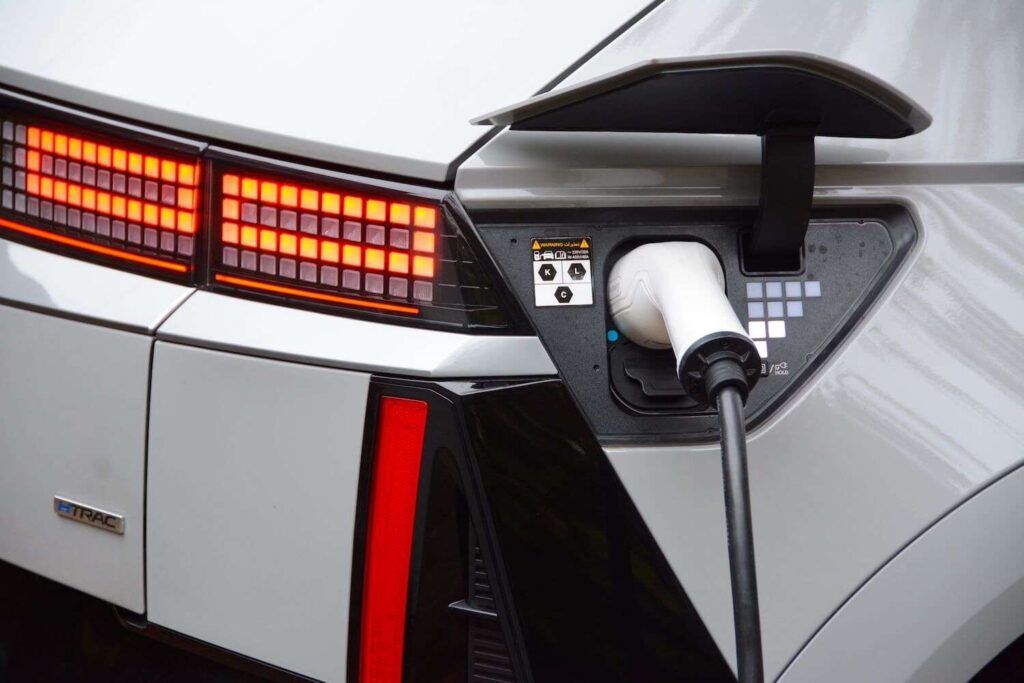
Image courtesy of Green Car Guide