The EU has confirmed that it plans to cut the number of hybrid electric vehicles from China to 350,000 from December.
According to reports in The Guardian, the deal will see any excess hybrid vehicles from China remaining at the docks, rather than being subjected to tariffs.
The move aims to reduce the overall number of Chinese vehicles entering the bloc. Exports from China of hybrids into the EU has tripled to £5.7bn in the first half of 2026, with an anticipated 800,000 battery and plug-in hybrid vehicles landing in the EU for the whole year.
Electrified vehicles which are being made in the EU by Chinese companies will not be subjected to the new rules, according to the report.
The news also comes as UK business secretary Jonathan Reynolds has said that the UK Government won’t be pressurised by the EU into putting tariffs on battery electric vehicles from China.
It follows reports last week that the UK Government was considering such a move ahead of trade talks with the EU in the coming months.
It comes as the EU’s ‘Made in Europe’ rules are set to be debated at the end of the year, with the UK eager to be a part of the programme and avoid potential trade barriers. But there is concern that such a move could see reciprocal tariffs from China, which could be damaging for British vehicle manufacturers.
The Society of Motor Manufacturers and Traders (SMMT) has long-argued for a resolution for the UK to the ‘Made in Europe’ provisions, which, as drafted, would see future UK-built vehicles denied access to incentives available to EU-built products, including support for greener corporate fleets and CO2 super credits – and be excluded from EU Member State procurement, despite the UK’s role in Europe’s automotive supply chain.
Such an outcome would put UK production at “a competitive disadvantage in its largest market, reducing demand for UK-built vehicles and, in turn, reducing UK sourcing of EU components, goods and services”, the SMMT has said.
Reynolds said:
“I just want to be clear: when we make any trade decision in terms of trade defence tariffs in relation to the EU, that’s based on the UK interest – it’s not based on any other country asking for that.”
A statement from the EU Commission on the EU-China talks said:
“The two sides will continue to strengthen communication and cooperation under the trade monitoring mechanism, and actively utilise the function of the dialogue mechanism in enhancing mutual understanding.
“Following intensive consultations, both sides have reached an understanding on trade in hybrid vehicles in a WTO compliant manner.
“The two sides recalled the guidance document on the price undertakings of the BEVs anti-subsidy case, and will continue the procedures relating to corporate price undertakings and reviews.”
On clean energy projects, the Commission also said:
“On the EU guidance on the use of EU funds for clean energy projects involving certain inverters, the EU clarified that its official guidance is country neutral and the two sides will engage in further discussions on this issue.
“The two sides agreed to explore how investment can bring more benefits to their economies and to discuss future-oriented cooperation.”
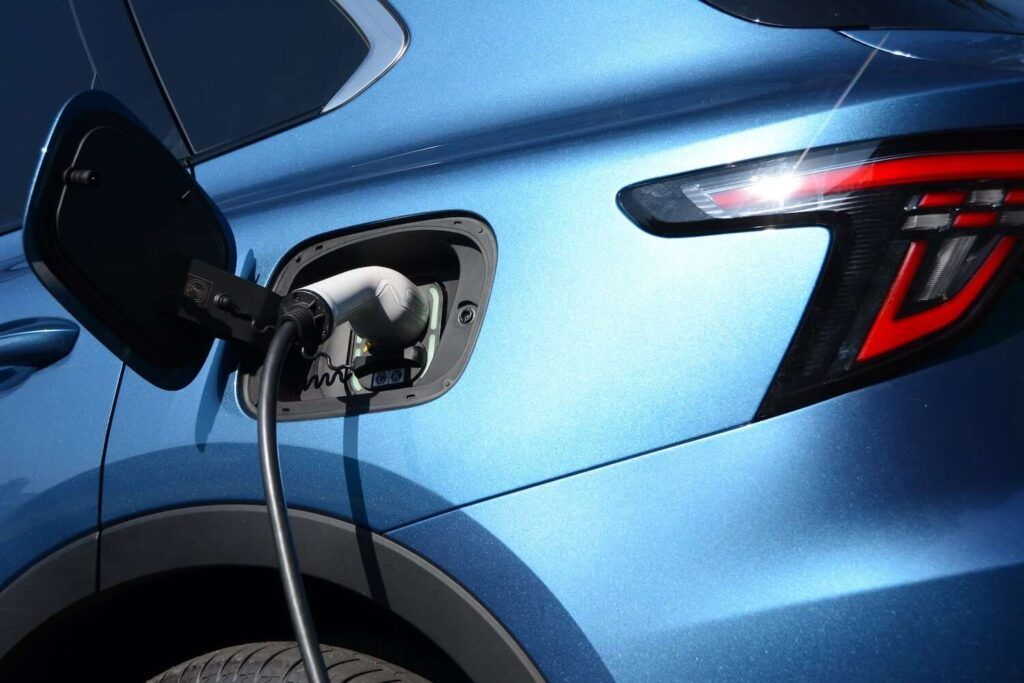
Image courtesy of Green Car Guide