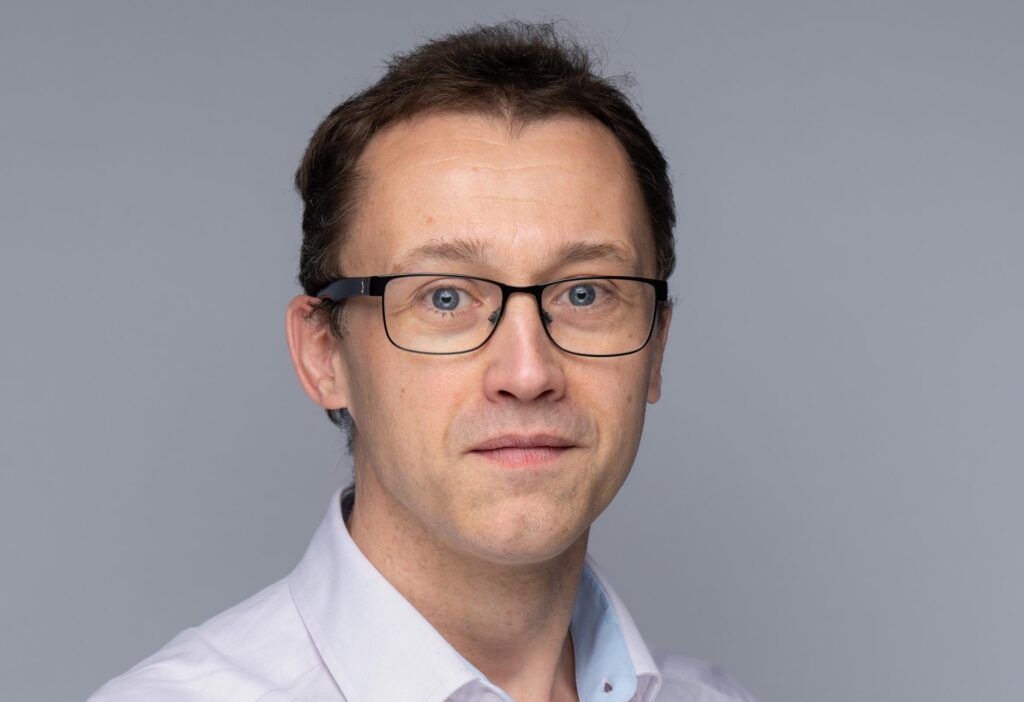
Transport + Energy spoke to Philip Clarke, the chief executive of TUAL – a developer of high-powered electric chargers for commercial vehicles – about the company, the challenges and opportunities within the sector, and its plans for the future.
Tell us about your business….
TUAL builds and deploys high-power chargers for mission-critical fleets operating on grid-constrained locations. We’re three years old and backed by a leading German infratech investor, manufacturing our systems in the UK.
Our customers are all large enterprises that need to take control over their charging – to allow them to charge where they have dwell time, using energy they have sourced on locations they or their partner’s control.
Can you tell us more about the challenges and opportunities around constrained sites and how TUAL can assist?
The key to successfully transitioning a commercial vehicle fleet is high-power opportunity charging. That’s because the business case lives or dies on productivity – these are high-value drivers and high value vehicles after all.
Unfortunately, 80% of the places that fleets want to charge the grid can’t support, and it never will. Grid upgrades often take years and cost hundreds of thousands, or millions of pounds. For many that’s unthinkable – doubly so when you realise that 60% of depots are leased and landlords don’t want to pay.
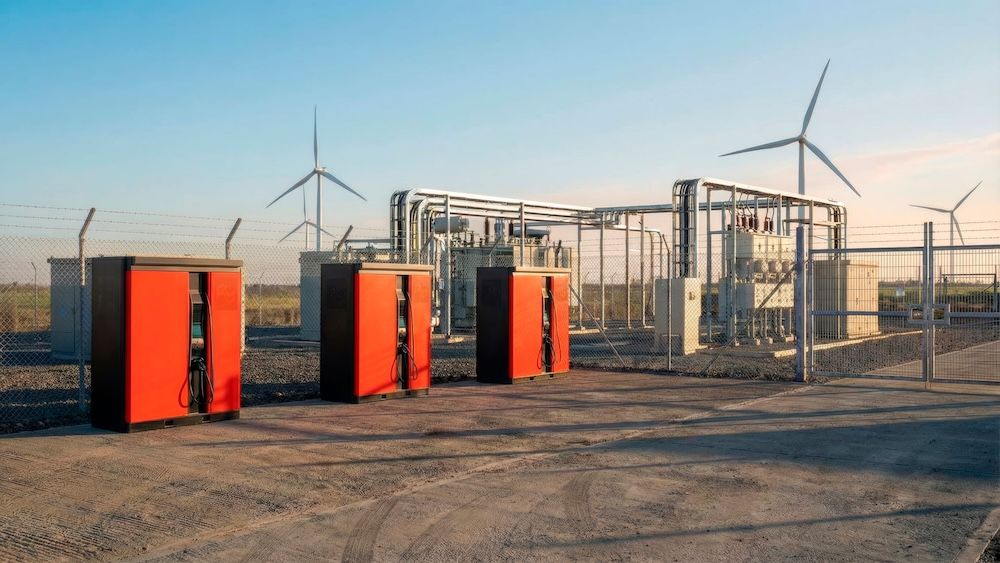
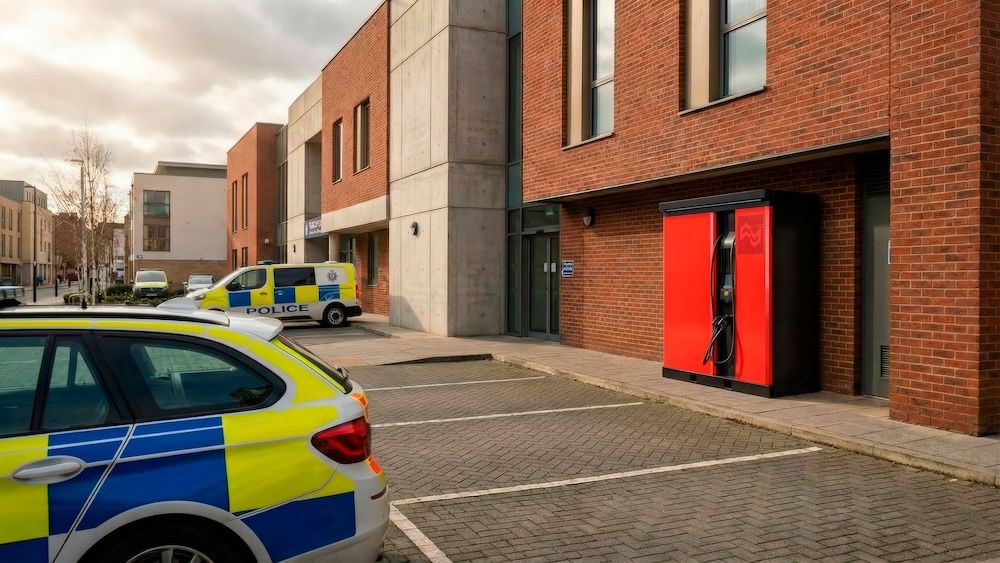
Thankfully, high-power charging doesn’t require a high-power grid! Once you grasp that, all of the operating locations that you’d removed form your transition plan as unchangeable come back into play. This often includes depots with short-term leases, project sites, customer locations and edge-of grid remote operating sites like water pumping stations or telecoms exchanges.
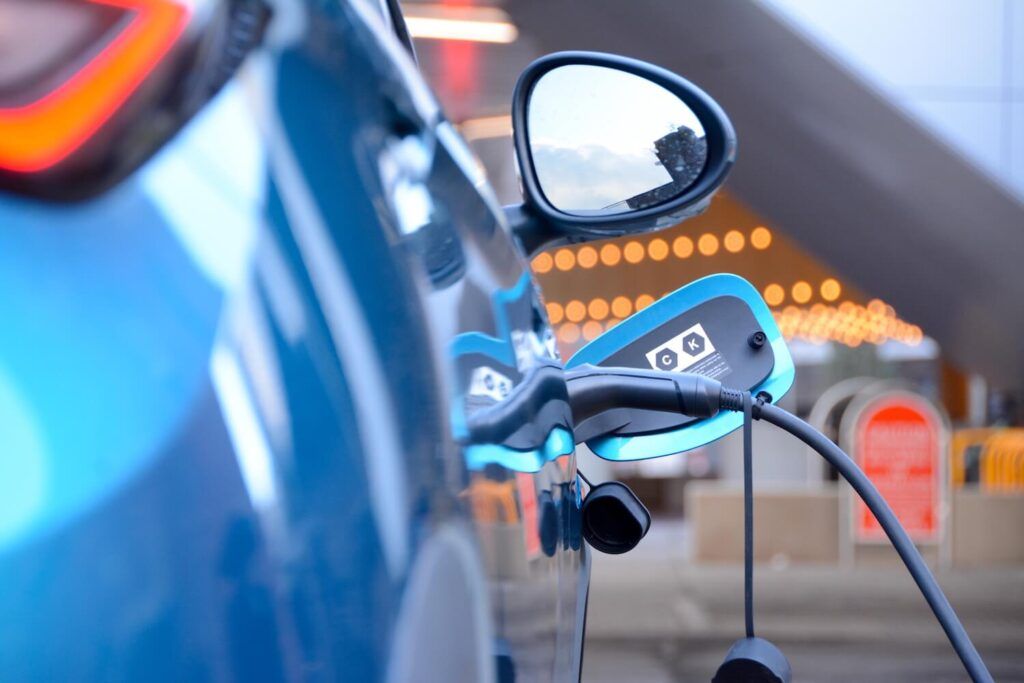
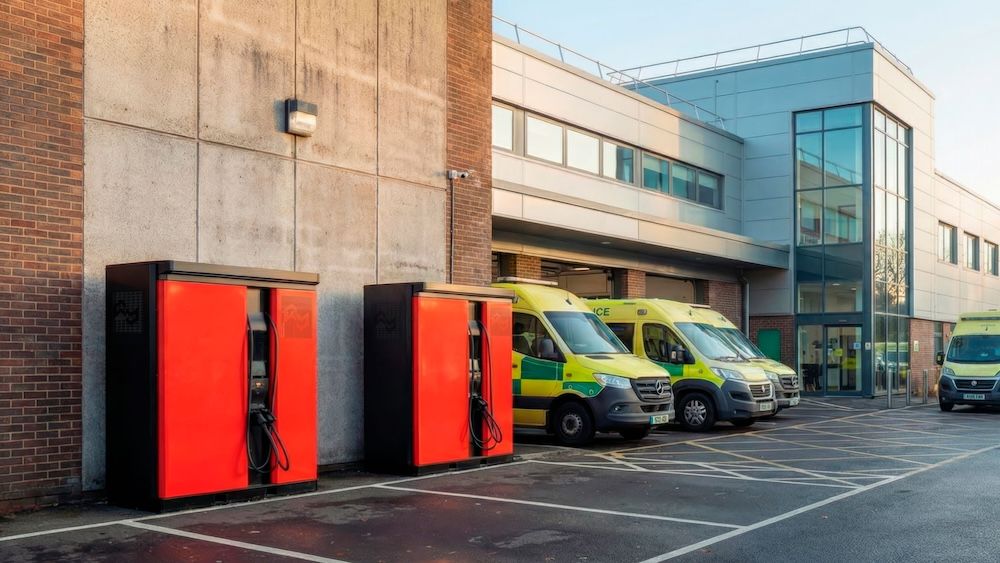
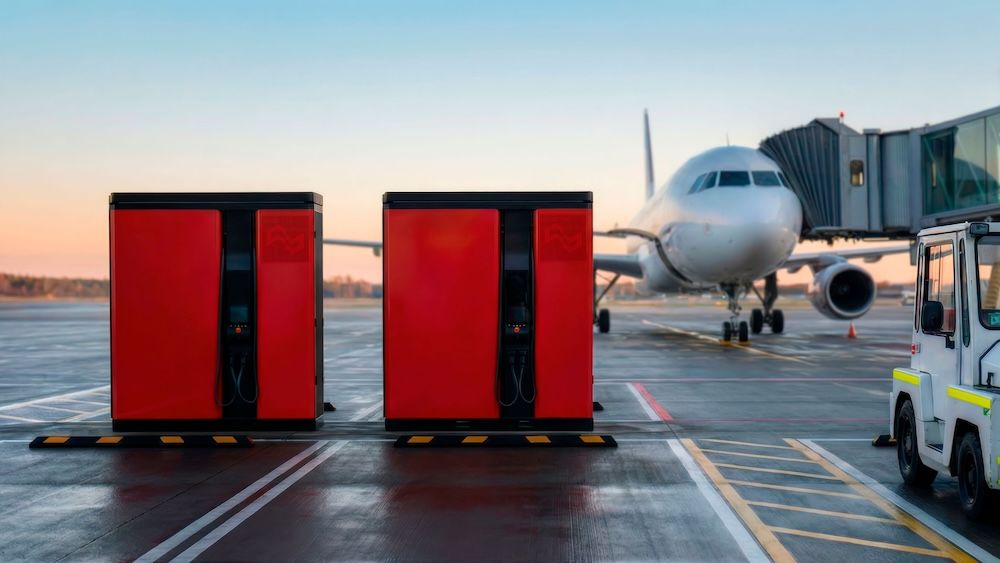
Our PowerUp system is a battery-coupled DC charger. It trickle charges its internal battery from any grid source including a simple commando socket, and then delivers high-power charging from the battery regardless of the grid. It’s high power up to 310kW, enables high-speed deployment and redeployment – live in 60 minutes, zero-dig, plug & play – and ensures the highest levels of resilience available on the market.
We have designed PowerUp to be the embedded charging layer of the most demanding fleets on earth. The visibly charger tech is just a part of the proposition. But our Perpetual operating system is critical to ensuring uptime. This Mission-Control platform gives our operations team realtime monitoring and control over every component in our system. It’s key to predictive and preventative maintenance, and to our market-leading uptimes.
What are your decarbonisation goals or targets as a company?
Our goal is much bigger than our own operations. We intend PowerUp systems to be responsible for reducing carbon emissions from the van and truck sector by 1,000,000 tonnes of CO2e every year by 2030. That’s an outsized impact on the dirtiest and most hard-to-decarbonise vehicles on European roads.
In what ways have you collaborated with others – whether transport or energy companies, and public or private sector?
We built our PowerUp proposition on a cocreation programme we ran with over 50 of the UK’s largest enterprise fleets – and as such it’s a genuinely customer-focused design.
During 2025 we ran live field field-trials with Wincanton, IKEA, Scottish Water, Scottish Power and other partners. This provided valuable data and user feedback, which fed into our development programme. We’ve also received funding support from Advanced Propulsion Centre, Connected Places Catapult, Innovate UK, The IP Office, Scottish Enterprise and other partners.
What is your biggest overall challenge as a company when it comes to transport and energy?
For a long time, fleets thought that fleet electrification was about vehicles. But now, there is increasing recognition that this is an energy- and infrastructure-challenge. That requires fresh thinking, new technology and the boldness to try new things. The UK is great at technical innovation – and we’re proud to be at the forefront of a charging category that makes it so much quicker, cheaper and simpler for fleets to electrify. Ultimately, it means that they have high-power charging everywhere they want it.
What policy changes or support would you like to see from the UK Government on decarbonisation of energy or energy generally?
I’ve spent 25 years building ventures at the front-edge of the energy sector, and it’s clear to me that only two things truly drive change: regulation and pioneering entrepreneurs. The UK has proudly led in NetZero for a long time, and we can’t let populist politics take us off-track. 50% of our electricity is now renewable – generated right here at home, resilient and clean. We must shore-up EV mandates and increase support and subsidies for commercial vehicle charging. They’re the dirtiest vehicles on the road and it will take both carrot and stick to make the change happen.
How do you see, and what would you like to see, the transport and energy sector progressing in the next 5, 10, 15 years?
Electrification is the future of transportation. That is the direction of travel. The sooner we stop wasting time, money and bandwidth indulging petrochemical fantasies around Hydrogen or eFuels the better. We have technology that works and we need to stop talking and start executing. This country has pioneering capability that needs an ambitious domestic market to accelerate it into having a European impact.
Philip Clarke is the Chief Executive of TUAL