
A new project led by National Grid Electricity Distribution (NGED) with ADE: Demand and Cornwall Insight aims to uncover whether local energy resources can support the security of the electricity network.
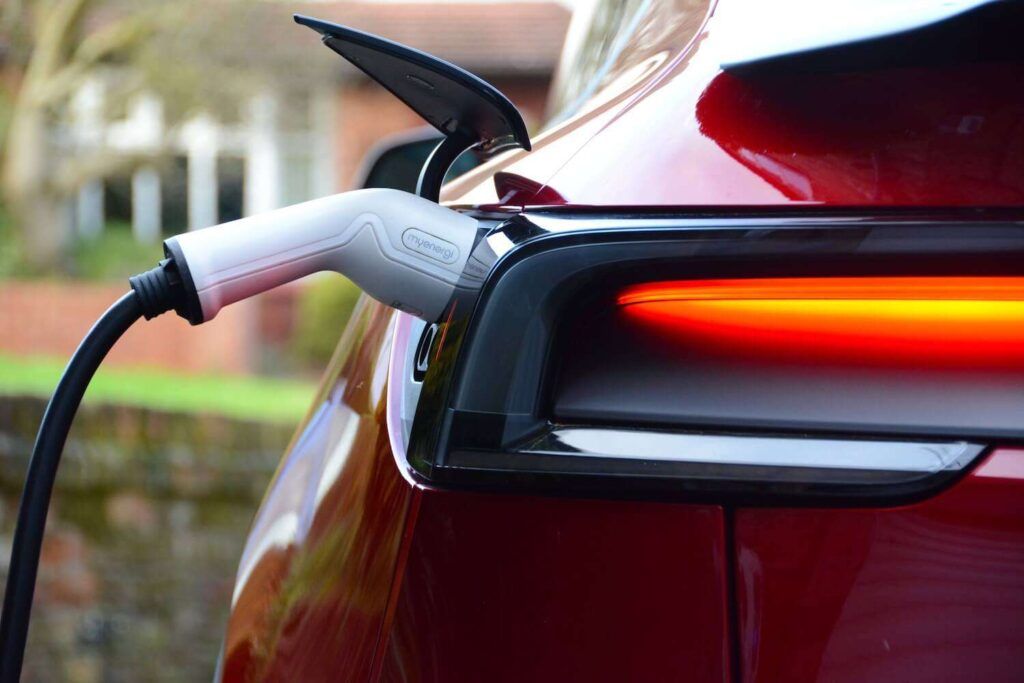
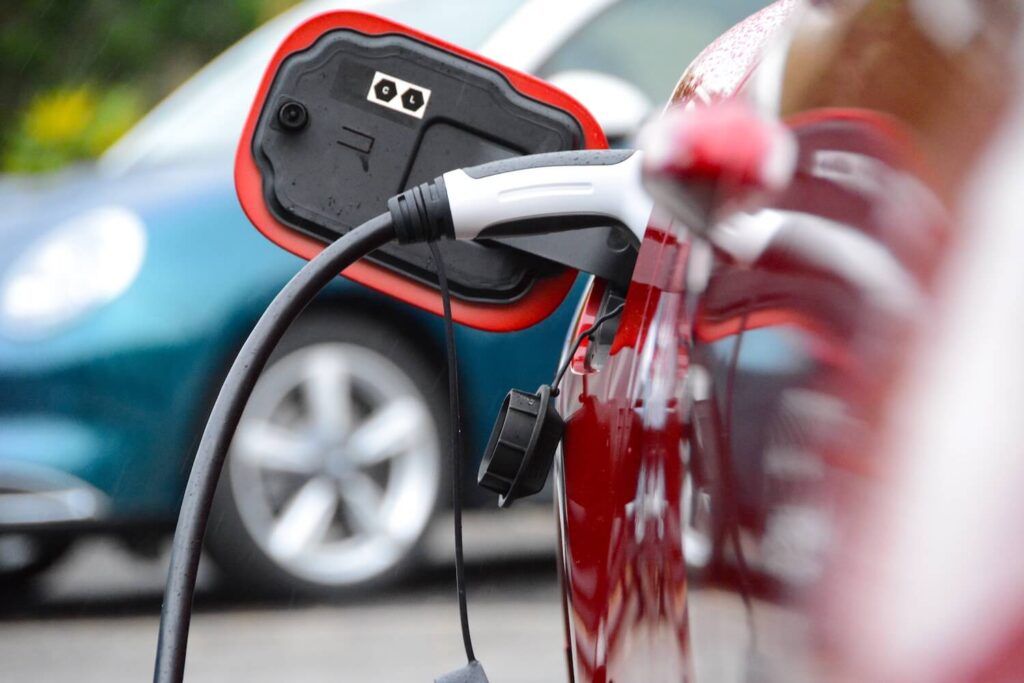
Britain’s energy security rules were built for a world of big power stations, they focus on making sure enough large generators are available to meet demand, but the energy system is changing. Electric cars, batteries, heat pumps, storage, on-site generation and industrial processes are connected to local networks but can support national needs.
These resources can change when they use, store or produce electricity, but there is no agreed way to measure how much they help keep the lights on. As a result, their value is often missing from planning and market rules.
Security of Supply: Revised Approach to Consider Embedded Resources, or SOS RACER for short, will test whether these local energy resources can be treated as part of Britain’s energy security. Over five months, it will begin to examine how a handful of large generators versus hundreds, or thousands, of distributed sites can support the system. If the contribution of flexible demand can be measured properly, it could help Britain secure its energy more efficiently, avoid unnecessary spending and protect consumers from shortages.
SOS RACER is a Strategic Innovation Fund (SIF) project led by National Grid Electricity Distribution (NGED) with ADE: Demand and Cornwall Insight. It is among the first projects to be funded under the five new innovation challenges set by the Energy Networks Innovation Taskforce, which need to be met by 2033.
It is funded by Ofgem’s Strategic Innovation Fund, which is operated in partnership with Innovate UK, part of UK Research and Innovation (UKRI).
Sarah Honan, Head of ADE: Demand said:
“For decades, energy security meant big power stations – that is no longer the whole picture. Your electric vehicle, your home battery or a factory that can shift its demand can help keep the lights on, but the energy system does not yet measure that properly. SOS RACER will test how to do it – so the system can plan for it, reward it and rely on it, meaning a more resilient grid for consumers.”
NGED said:
“As the energy system becomes more distributed, maintaining Security of Supply could become challenging. SOS Racer will begin by establishing whether these assets could be more commonly used by the system operator to make it secure on a physical level and on a more cost-effective basis.”
Salman Khan, Global Consulting Partner at Cornwall Insight said:
“The way we think about energy security hasn’t kept pace with how our energy system is changing. It’s not just about big power stations anymore, we now have a growing range of local resources playing a part, both by putting power onto local networks and by shifting when they use it.
“A business storing its own power for peak times, a battery feeding electricity back to the grid, an electric vehicle charging overnight and exporting later, these all help keep the system balanced and the lights on. SOS RACER will test what role they can play in Britain’s energy security, and what that means for how we plan and pay for it in future.”
Image from Shutterstock