Less than a third of electric vehicle (EV) drivers unable to charge at home report substantially lower running costs, compared to 84% who have off-street domestic charging.
The sharp divide comes from EVA England’s largest-ever Steer the Conversation survey, which included 2,635 responses. Some 94% of EV drivers overall reported lower running costs than petrol or diesel.
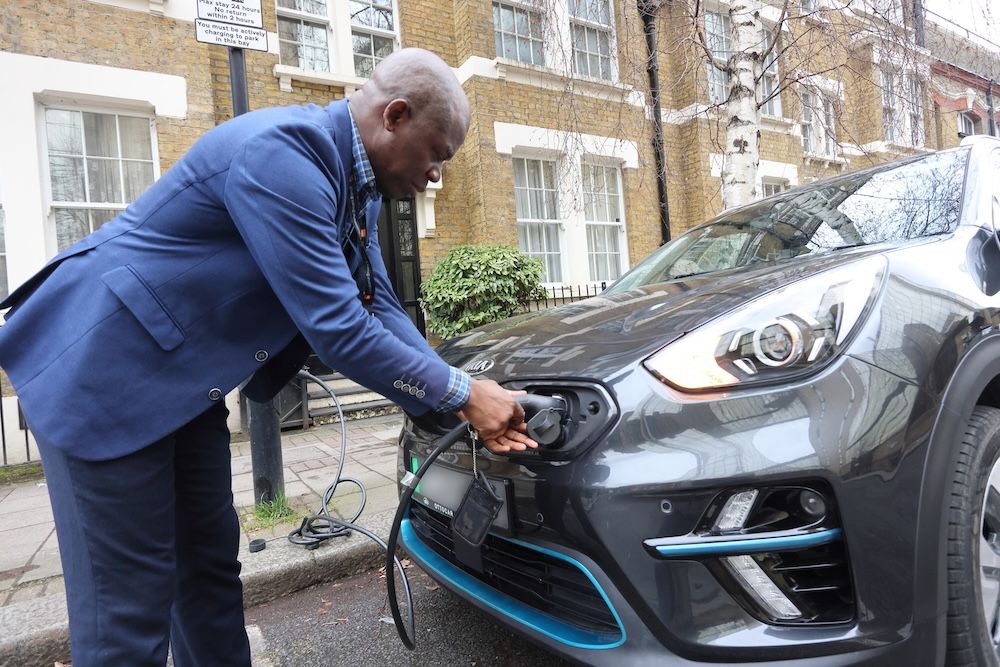
But for those without driveways or private parking, the reliance on public chargers has “wiped out” the financial advantage of buying an EV, it reported. This divide “risks holding back the next wave of motorists”, it said.
In addition, drivers are becoming less positive about public charging, with fewer than half (48%) reporting improvements in the network, which is down sharply from 69% last year. In addition, 38% said UK Government announcements and policy changes had reduced their confidence in EV ownership. Some 42% said public charging costs have risen over the past year, while 44% of those who experienced a problem either did not know how to report it, could not contact the operator, or received no response.
As a result of the findings, EVA England is now urging the UK Government to maintain momentum and tackle the costs and practical barriers holding drivers back.
The survey revealed how heavily EV ownership was dependent on home charging, with 88% stating they charge with their own electricity supply.
Upfront costs are still a hurdle, with more than half (52%) of EV drivers surveyed paying more for their electric car than they would have for a comparable petrol or diesel model, while 41% of petrol and diesel respondents cite purchase cost as a key barrier to switching.
The survey also exposes concerns about confidence in the wider transition with just 5% of EV drivers saying recent Government announcements and policy changes have increased their confidence in ownership, while 71% believe the public debate around EVs does not accurately reflect their own experience.
EVA England is calling on Government and industry to maintain a clear and consistent direction for the transition, while taking practical action to bring more drivers on board. Its priorities include lower-cost leasing schemes for households on modest incomes, reducing public charging costs, and stronger independent oversight of chargepoint standards and complaints.
Dr Vicky Edmonds, CEO of EVA England, said:
“Electric cars work. The people driving them are saving money, they love their cars, and most wouldn’t dream of going back. But there’s a huge catch: right now, the biggest savings are still overwhelmingly going to people who have a driveway and can charge cheaply at home.
“Imagine being told you could save hundreds of pounds a year by switching to electric, only to discover that because you live in a flat or don’t have a driveway, charging your car could cost you more than petrol. Or that you simply can’t afford the car in the first place. That’s not fair, and it’s a huge missed opportunity.”
“At precisely the moment we need to be giving people confidence to make the switch, the constant political back-and-forth over EV targets and new taxes is creating more uncertainty. We should be building on the success we’ve achieved, not giving people reasons to hesitate.
“The demand is there. We need to stop arguing about targets and start making it easier for people to choose electric. That means bringing down the cost of cars and charging, making the public network work properly, and giving drivers confidence that going electric is the right decision for them and their families.”
Mark McCall, Chair of EVA Northern Ireland, said:
“The EVA England survey once again shows that EV drivers overwhelmingly love their vehicles, the savings they deliver and the driving experience they offer. What we need now is a consistent, long-term approach from government, replacing the mixed messages of recent years with a clear and confident path towards vastly more efficient transport. This transition also presents a huge opportunity to power our vehicles with clean, affordable, indigenous energy, reducing our dependence on imported fossil fuels and the price shocks they continue to bring.”
Neil Swanson, Director of EVA Scotland, said:
“We welcome the positive response from EV drivers in Scotland, and are encouraged by the levels of confidence we’re seeing among those considering the switch. Existing EV drivers make a strong case for cleaner, quieter motoring, one they are happy to share with friends and family. Home charging remains the greatest enabler, and more must be done to ensure a just transition for all.”
Paul Bevan, Cadeirydd/Chair EVA Cymru, said:
“Even though the gap for EV infrastructure in Wales is narrowing, the data in the survey highlights that confidence amongst drivers is still being impacted by decisions made at Westminster. What is clear though is that when people switch to EV they stick with them, and more people are making the choice each day.”
Image courtesy of Green Car Guide