Fleet operators are being urged to focus as much on people as technology if they are to successfully transition to electric vehicles.
Octopus Fleet Commercial Director Rachel Beaton has told 200 delegates at the Fleet Electrification Forum that while the technology is now mature, organisations often underestimate the scale of the change management needed to deliver a successful rollout.
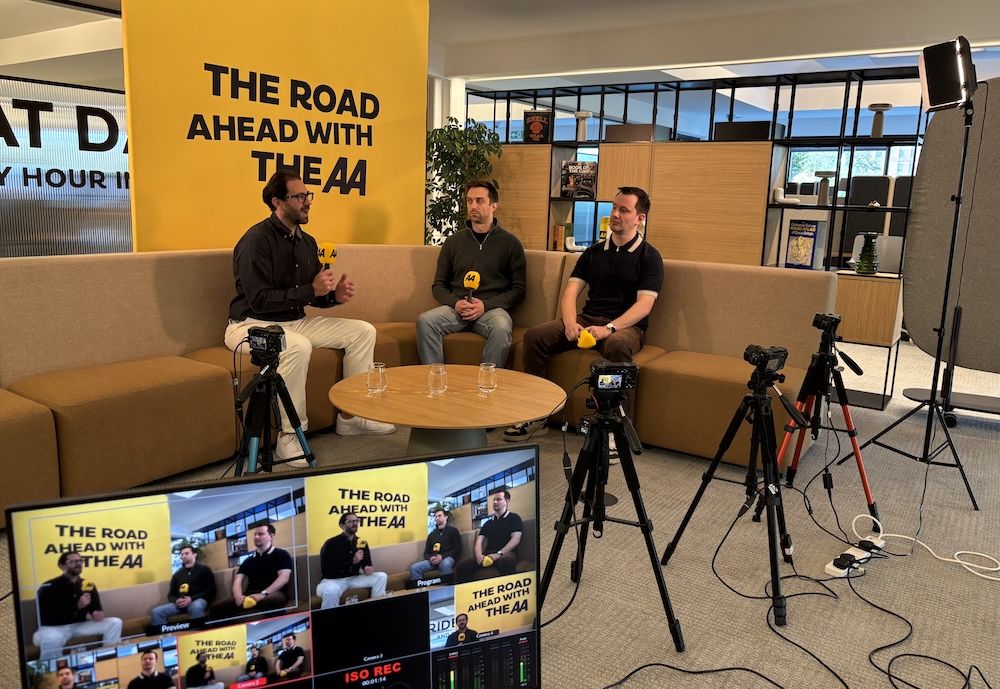
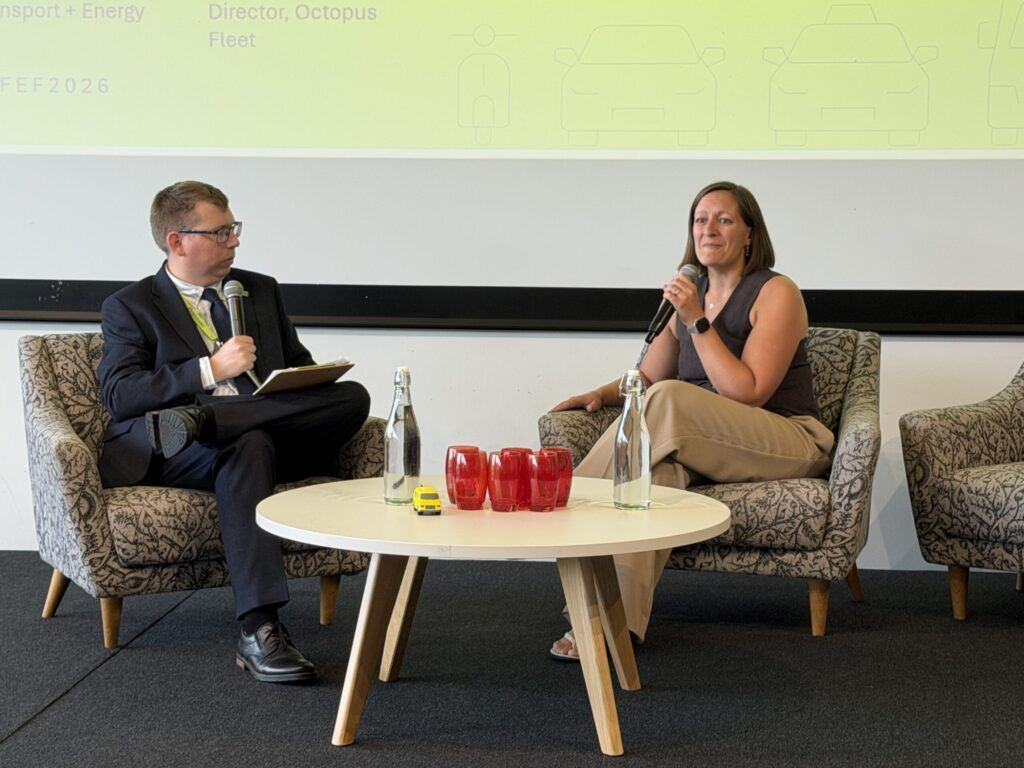
In a discussion with Transport + Energy Editorial Director Alec Peachey, Ms Beaton argued that although early adopters had little choice but to focus on technology, the conversation has now changed.
“I think I’ve seen businesses take it both ways, technology first or people first,” she said. “These days there are businesses out there who’ve proven that it can be done, the technology is there, but it’s really important to get the people and the hearts and minds converted first.”
She warned that failing to involve the right people from the outset could make it difficult to recover later.
“If you don’t get people on board from day one, if you don’t have the right people involved, it can be very, very hard to then change somebody’s opinion if they’ve already decided, no, this isn’t for me, I’m not going to engage.”
Ms Beaton warned that the challenge extends far beyond drivers, with finance, procurement, operations and facilities management all needing to support the transition.
“There’s so many different stakeholders who need to be behind the transition in order to get a project set up, make sure the financing is in place, make sure that the transition is smooth,” she said. “People underestimate how different the role is for a fleet manager than it used to be. It really is a change management role these days.”
She also highlighted the danger of organisations becoming stuck before projects even begin, citing research showing that many change programmes fail to get off the ground.
“A lot of fleets actually get stuck right at the start,” she said, adding that “getting everybody in a row is quite challenging” before echoing an earlier message from the conference that fleets simply need to begin their transition.
Communication, she argued, is one of the biggest factors in overcoming those barriers.
“It’s having all of the data, getting the right data in front of the right person, and then stitching that story together,” she explained. “Unfortunately, you don’t just have to do it once, you have to keep telling that story and keep everyone on the journey with you.”
Turning to policy, Ms Beaton suggested that while certainty around the Zero Emission Vehicle mandate remains important, regulatory requirements are not the only motivation for businesses.
“I think one reason that you might speculate that many businesses won’t change their plans… is ultimately that’s not necessarily what’s driving it for fleets,” she said. “For many fleets it will be things like scope one emissions. It’s not just about ZEV mandate.”
Closing the session, Ms Beaton’s message was that fleet operators should now have confidence that the technology is capable of supporting the transition, but success will ultimately depend on people.
“Ultimately, it’s probably making sure that the two evolve together,” she said. “The technology is there to enable transition, but ultimately it is the people in our organisations that will deliver it.”
(Picture – Transport and Energy)