Energy regulator Ofgem has announced a 13% increase of the energy price cap for the period covering 1 July to 30 September 2026.
The rise is the result of higher wholesale gas prices, caused by the ongoing conflict in the Middle East, Ofgem said. But it also added that prices remain well below the height of the energy crisis in 2022, when the UK Government stepped in to cap bills at £2,500.
Currently, 40% of accounts are fixed tariffs and are therefore unaffected by the price rise, it added. From July, Ofgem also said electricity prices are set to increase by less than gas prices, which is unlike the previous energy crisis.
Customers will see a smaller price increase of around 5% on their electricity bills compared to gas bills which are rising by 24%, due to the increase in the amount of renewable generation on the system, according to Ofgem.
The current price cap for a typical household paying by direct debit for gas and electricity is £1,641. Based on the energy use of a typical domestic household, from July the price cap will rise by £18 a month for the average household using both electricity and gas if this level was sustained for a year.
Ofgem has also published an update on how much energy a typical household uses, known as the Typical Domestic Consumption Review (TDCR). Under the existing TDCV, the typical household bill from July is £1,862, up from £1,641,
From 1 July, the figures will be updated to reflect the fact that households are using less energy than before – around 7% less electricity and 17% less gas compared to the last review. As a result, the price cap level from 1 July will be £1,663 per year.
Tim Jarvis, Ofgem CEO, said:
“Today’s price change reflects continued volatility in global energy markets. This means higher wholesale gas prices, driven by ongoing conflict in the Middle East, is impacting the price we pay for energy.
“We understand many will be concerned about rising prices. While energy use typically falls over the summer months, there are still practical steps households can take to manage costs, including exploring fixed tariffs or changing their payment method. Smart meter customers can also take advantage of half price or cheap electricity at the weekends.
“While our energy supplies remain secure, the best way to limit this exposure is by investing in our energy network. That’s why we’re unlocking the funding needed for the biggest transformation of our lifetime to deliver a system that is secure, resilient, and works for consumers across Great Britain.”
Jess Ralston, Energy Analyst at the Energy and Climate Intelligence Unit (ECIU), said:
“Bills rising once again shows just how exposed British households are to volatile international gas markets which set the price we pay in the UK. When conflict drives up fossil fuel prices – whether it’s in Ukraine or now conflict with Iran – it’s families here who end up footing the bill.
“This isn’t inevitable. Some Australian households are seeing bills fall by as much as 10% as renewables and batteries take a bigger share of the system. In Spain, where there’s a high share of wind and solar, power prices are consistently lower because they’re not as tied to global gas markets. Here in the UK, more and more households are already trying to shield themselves from that volatility – installing net zero technologies like rooftop solar, batteries, and switching to electric vehicles to take control of their energy.
“Renewables are starting to insulate wholesale electricity prices from these spikes, but unless we make the shift to electric heat pumps, British homes will become ever more dependent on foreign imports to try to keep warm in winter.”
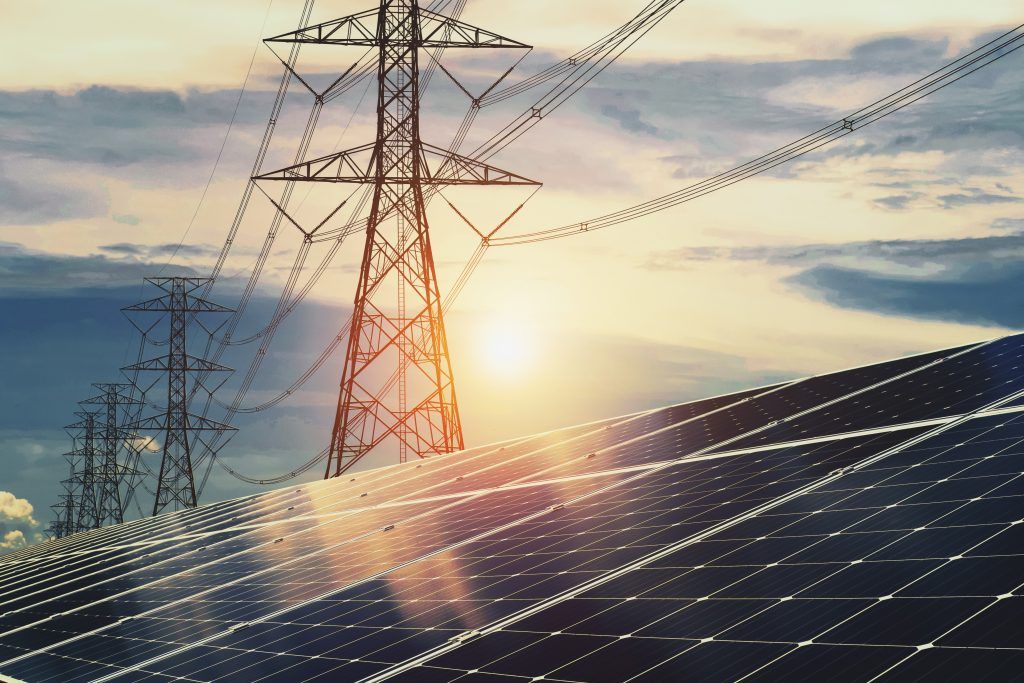
Image courtesy of Shutterstock