
New analysis by the Climate Change Committee (CCC) has found the cost of net zero by 2050 is less than a single fossil fuel price shock.
The CCC’s supplementary analysis complements its advice on the UK’s Seventh Carbon Budget, which tests the Committee’s cost and energy security conclusions against different scenarios.
This found that for every pound spent on net zero, the benefits outweigh this by 2.2 to 4.1 times. Alongside this, it found that other wellbeing and health benefits – such as cleaner air, warmer homes and more active travel – outweigh issues around additional public transport time or potential congestion from more electric vehicles (EV).
Specifically, under the sensitivity analysis, it found that an electrified energy system is “both a more efficient and a more secure energy system”. Energy losses in a Net Zero world are halved compared to the system today, it said.
When the CCC modelled a 2022-equivalent fossil fuel price spike occurring once over the period (modelled as 2040), the average household energy bill increases by 59% in the high-carbon baseline, but by only 4% in the Balanced Pathway. The last fossil fuel energy crisis, when Russia invaded Ukraine, cost the UK £183 billion over four years.
It said: “When considering costs to households, businesses and the Exchequer, the total additional cost of a single fossil fuel shock of 2022 magnitude is likely to be as large as the total net additional cost of meeting the Balanced Pathway across every year to 2050”.
Gareth Redmond-King, Head of International Programme at the Energy and Climate Intelligence Unit (ECIU) said:
“The last fossil fuel energy crisis, when Russia invaded Ukraine, cost the UK £183 billion over four years. As the next one unfolds, it’s worth remembering that renewable alternatives to gas are cheaper and quicker to build, and that last year British windfarms cut wholesale prices by almost a third.
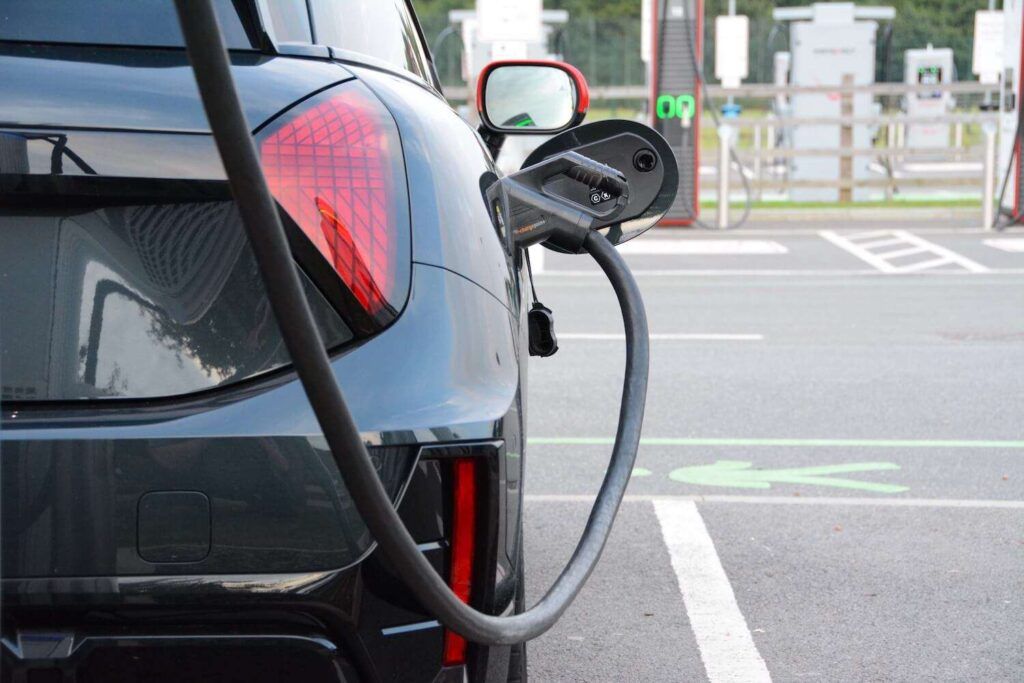
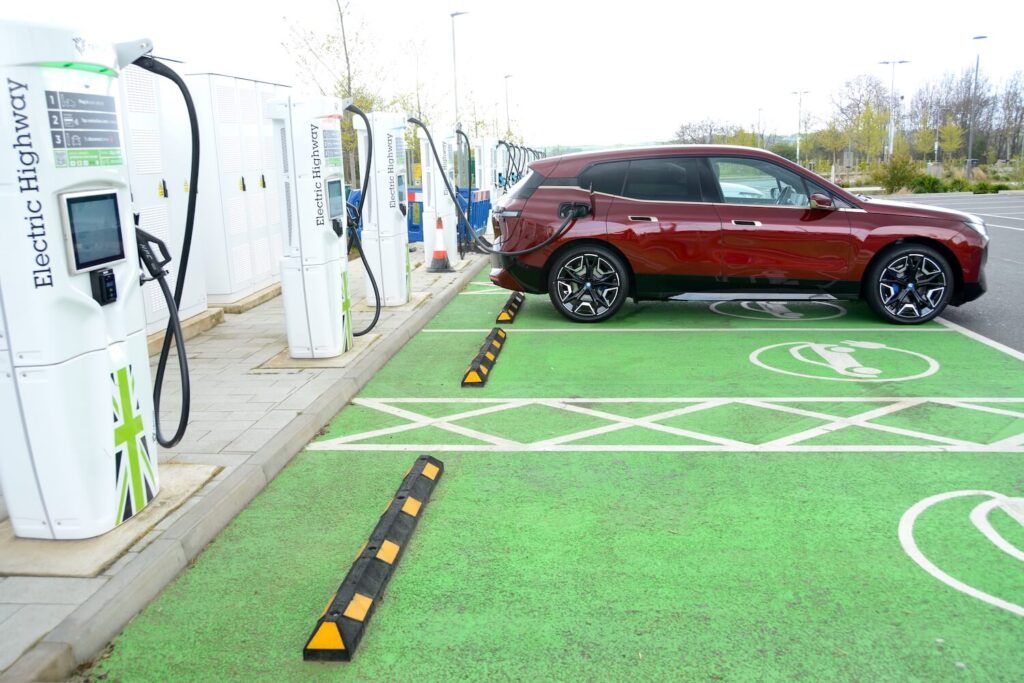
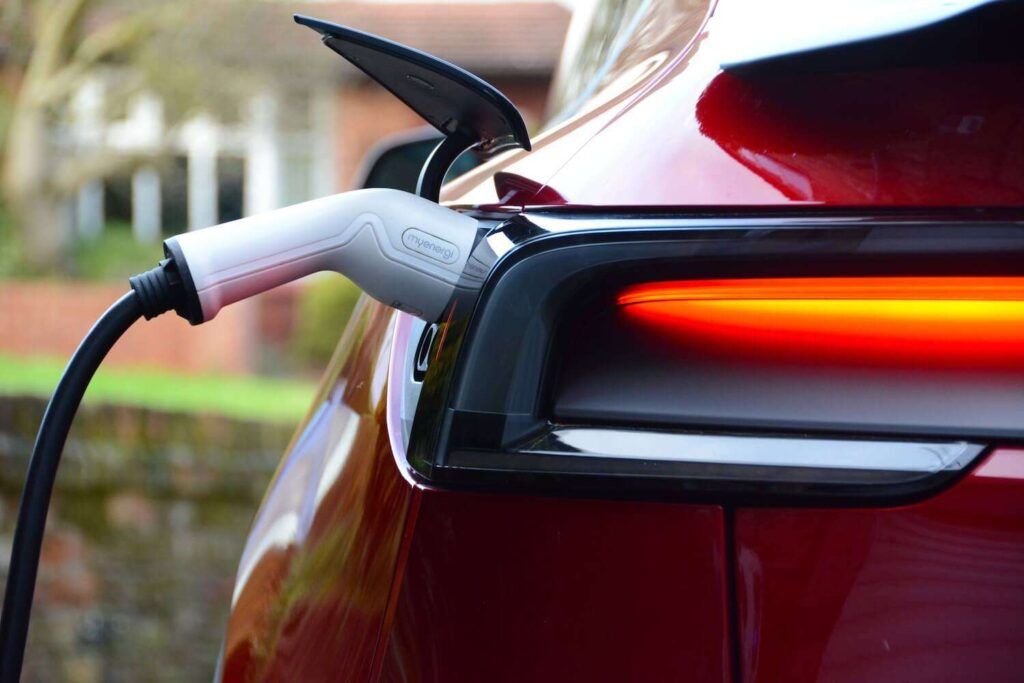
“Electric vehicles are also cheaper than petrol and diesel ones to own and run even when oil prices are not soaring, saving their owners hundreds of pounds a year.
“And now we know that the cost of getting the UK to net zero – the only solution we have to halting climate change – is less than the cost of a single fossil fuel price shock. As the world faces yet another fossil fuel crisis, it is clearer than ever that a clean technologies offer a less costly, and more energy secure future.”