Recent growth in EV ownership has been “more broad-based” beyond affluent early adopters, new research by New Automotive and char.gy.
The research compares the percentage of cars on the road that are electric with levels of deprivation, measured using the Index of Multiple Deprivation (IMD).
Historically, the least deprived areas have had the highest concentration of EVs, a pattern largely driven by wealthier households being able to adopt the technology earlier. But year-on-year growth trends tell a different and more encouraging story, it found.
Between 2021 and 2022, growth in EV adoption was heavily concentrated in the least deprived half of the country, with the most deprived communities saw comparatively limited increases in uptake.
In 2025 the picture has “shifted markedly” it said, and annual growth in EV adoption is now occurring across almost all deprivation deciles, with only the 10% most deprived areas showing notably slower progress.
It is important to note the most deprived 10% of areas in England “face some of the highest levels of poverty, social challenges and ill health in the country, factors that can compound barriers to EV uptake”, it added.
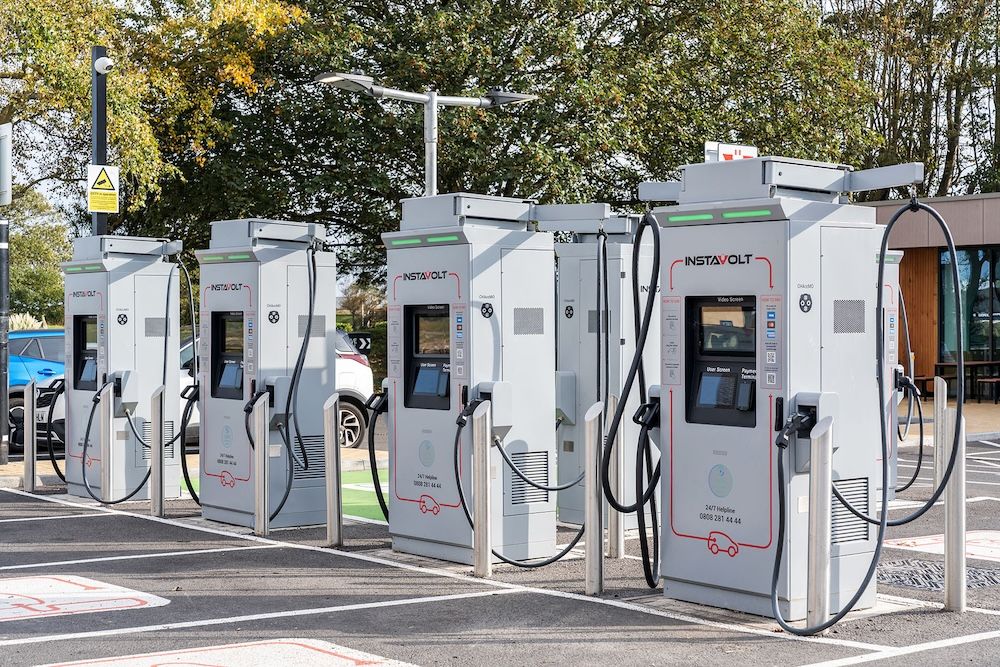
In addition, it said that access to public and on-street charging infrastructure was “critical” to “enabling equitable EV adoption” – particularly in lower-income urban areas where households are less likely to have driveways.
John Lewis, CEO of char.gy, said:
“EV adoption started in wealthier areas, but what’s encouraging is how that’s changing. While growth in 2021–22 was largely confined to more affluent communities, by 2025 uptake has become much broader. That shows the transition is moving beyond early adopters.
“The focus now must be on ensuring those most disadvantaged communities aren’t left behind by expanding reliable, affordable on-street charging where it’s needed most.”
Ben Nelmes, CEO, New Automotive, said:
“The data is clear that motorists the length and breadth of the country are now going electric as the second hand market booms and more affordable models become available in the new market. The people’s car is increasingly an EV.”
Tanya Sinclair, CEO, Electric Vehicles UK:
“Drivers from across the country are going electric, in their thousands. With over 2 million plug-in vehicles on the road it’s crucial that charging is accessible, reliable, and available, wherever the vehicles need it. This is not a story of polarisation.”
Image from Green Car Guide