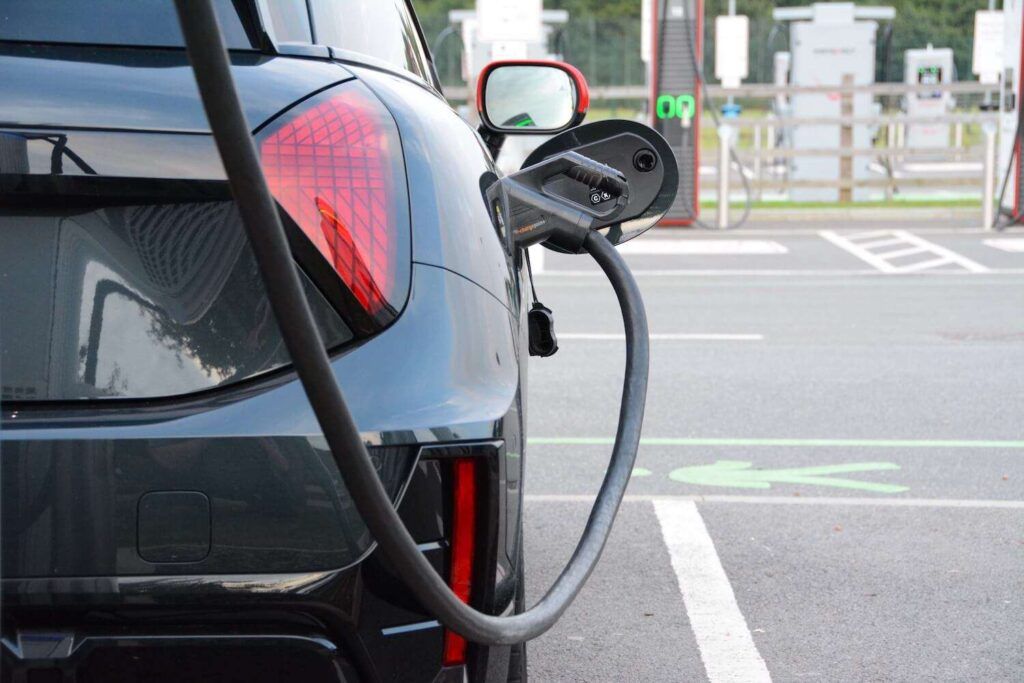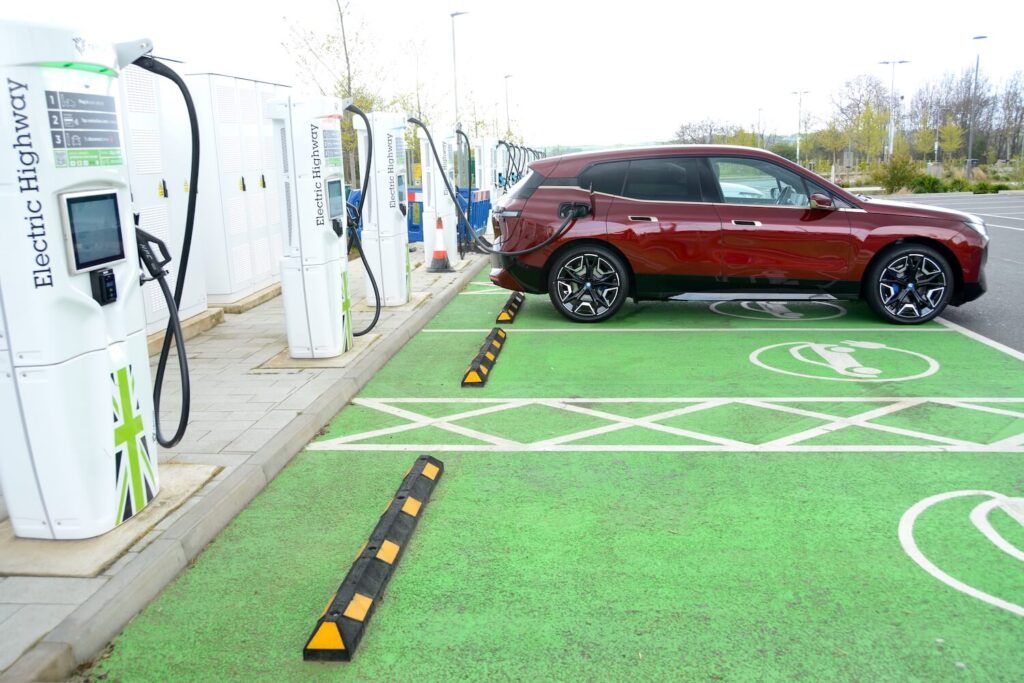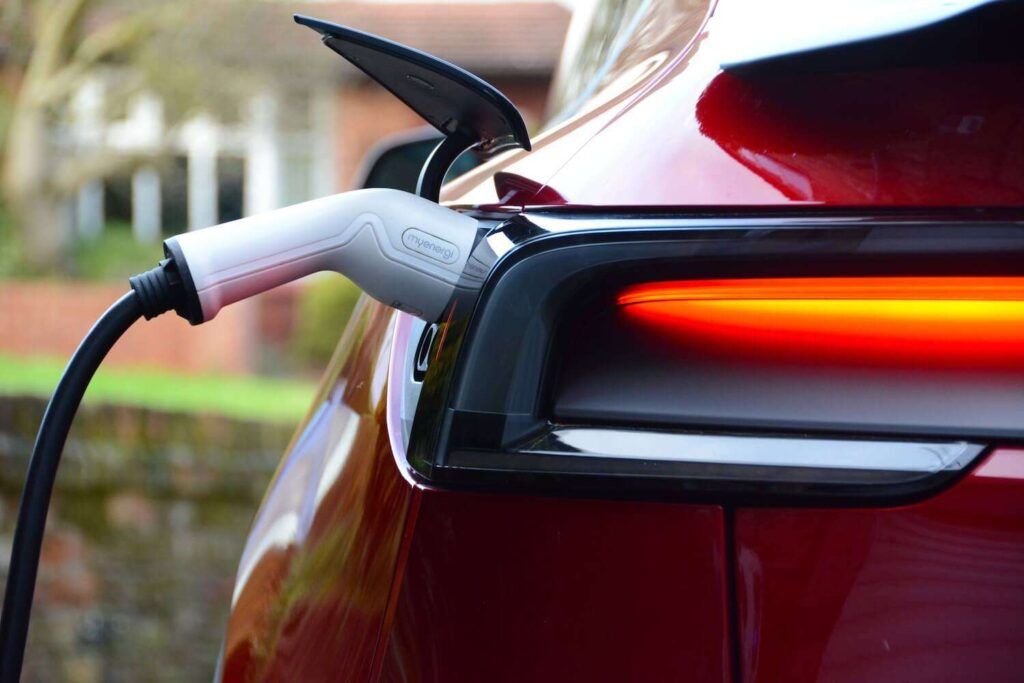
The NHS in England is receiving £4 million for new electric vehicle (EV) charging sockets from the Department for Transport’s NHS Chargepoint Accelerator Scheme.
The fresh funding builds on the delivery of more than 1,000 EV charging sockets to power electric ambulances and fleets, which aims to save maintenance and fuel costs – investing cash directly back into frontline care instead.
This announcement brings total government investment in NHS charging infrastructure to £22 million, following the Department for Health and Social Care awarding NHS trusts £10 million last month and £8 million awarded from DfT last year.
This funding will support the NHS to modernise some of its 20,000 strong fleet of medical vehicles, helping to decarbonise 460 million miles of travel each year.
Aviation, Maritime and Decarbonisation Minister, Keir Mather, said:
“Backing the switch to electric for our NHS fleet will save our health sector millions and help to clean up 460 million miles worth of journeys across England – that’s good for taxpayers, patients and our communities.
“With over 116,000 public chargers now on UK roads, our investment is transforming the UK’s public charging network so more drivers can make the switch to electric with confidence.
Minister of State for Health, Karin Smyth, said:
“With cleaner vehicles and lower fuel bills for the NHS, everybody wins. Savings made from this investment will be redirected back to where they’re needed – getting patients seen on time again.
“With taxpayers getting more bang for their buck and more money for patient care, there is not just a moral case for this investment, but a pragmatic one, too.
“This funding is clear proof we’re upgrading and modernising the NHS and making it fit for the next century and beyond.”
Chris Gormley, Chief Sustainability Officer at NHS England, said:
“Moving to electric vehicles is helping to make the NHS fit for the future – providing quick response times for patients and improving air quality around hospitals.
“Thanks to this new funding and continued investment from the government, more NHS trusts will also save on fuel and maintenance costs. Zero emission vehicles are expected to save the NHS tens of millions every year, which can then be reinvested directly into frontline care for patients.”
It comes as the UK Government has changed how the metrics around EV chargers in the UK, revealing their are more than 116,000 public chargers.
Jade Edwards, Head of Insights, Zapmap, said:
“As the EV charging infrastructure develops in the UK and we move towards more widespread adoption of EVs, changes to the way we report on growth, alongside a move towards more standardised terminology, help ensure that new and prospective EV drivers have a clear understanding of the charging options available to them.”
Ian McKee, Head of Communications, ChargeUK:
“Our sector has been charging ahead with the rollout of infrastructure to support the growing number of EV drivers on UK roads. The total number of charging devices is one way to track how we’re doing and consistently shows the direction of travel, but it doesn’t show the whole picture of progress towards putting the right chargers in the right places.
“The introduction of a new metric, EV chargers, into the government’s official figures is a welcome move that, alongside the data on types and locations, will help to provide greater transparency to inform the EV transition.”
Matt Adams, Head of Electrical Transport Systems, BEAMA said:
“This is great news for the NHS, whose drivers will benefit from access to quieter, more comfortable to drive vehicles and dedicated charging infrastructure, making the change as seamless as possible for NHS staff. BEAMA members have installed over half a million charge points to date, and this funding will continue to help deployment numbers rise, and support our critical services function for the community and the environment.”
Image from the UK Government