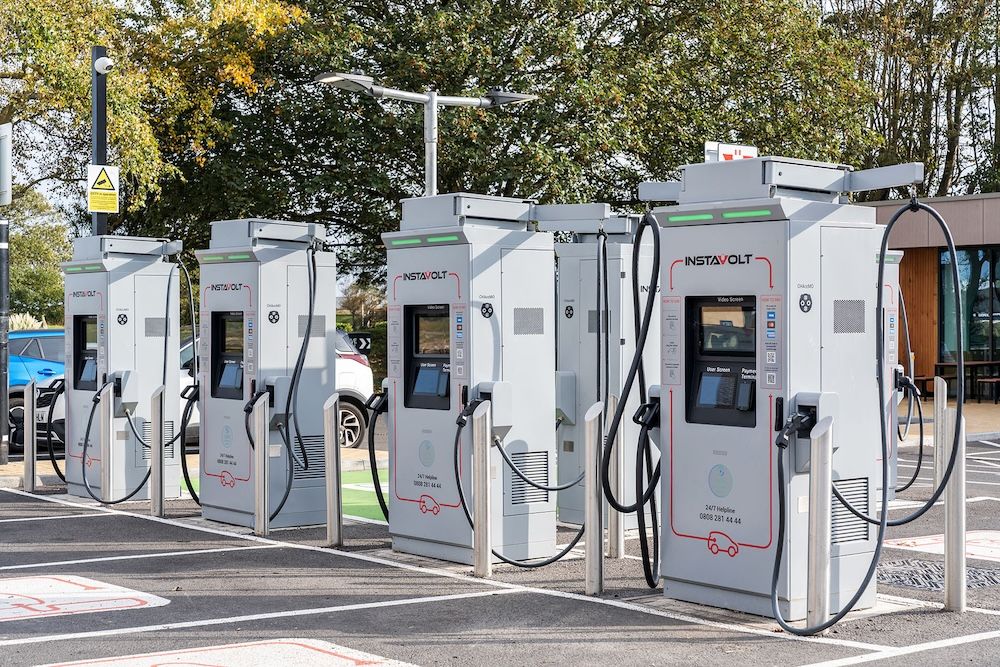
The Chartered Institution of Highways & Transportation (CIHT) has published new guidance to help councils plan, deliver and maintain public EV charging networks.
Called Rolling out Electric Vehicle Charging Infrastructure: Advice for Local Authorities, it provides practical, evidence-based advice to support councils in meeting this challenge.
It draws on national evidence, expert workshops and extensive engagement with local authorities, industry partners and user groups, offering clear direction on strategy, planning, delivery and long-term operation.
The report emphasises that local authorities are central to a successful transition to electric vehicles. Early public provision of charging infrastructure can unlock private investment, build public confidence and support wider EV uptake. It also stresses that EV charging should be treated as a public service, with accessibility and inclusivity embedded from the outset, meeting—and where possible exceeding—PAS 1899 standards.
CIHT highlights the importance of strategic, data-driven planning aligned with wider transport, energy, planning and climate objectives. Robust feasibility assessments, early engagement with communities and distribution network operators (DNOs), and strong cross-departmental collaboration within councils are identified as key factors in successful delivery.
The guidance also addresses ongoing challenges, including grid capacity constraints, power upgrade delays and the need for future-proofed procurement. It calls on councils to ensure contracts clearly define responsibilities, maintenance expectations, interoperability requirements and handover arrangements as technology evolves.
Sue Percy CBE FCIHT, Chief Executive CIHT said:
“The transition to electric vehicles is not just about technology—it is about creating a charging network that is reliable, accessible and designed for everyone. Local authorities are at the heart of making that happen.
“This report provides the clarity, evidence and practical guidance needed to deliver charging infrastructure at pace and at scale.”
Peter Molyneux FCIHT, Chair of CIHT’s Board of Trustees, added:
“A comprehensive and integrated public charging network is essential to supporting zero-emission mobility.
“We hope this guidance helps local authorities make confident, long-term decisions that benefit communities for decades to come.”