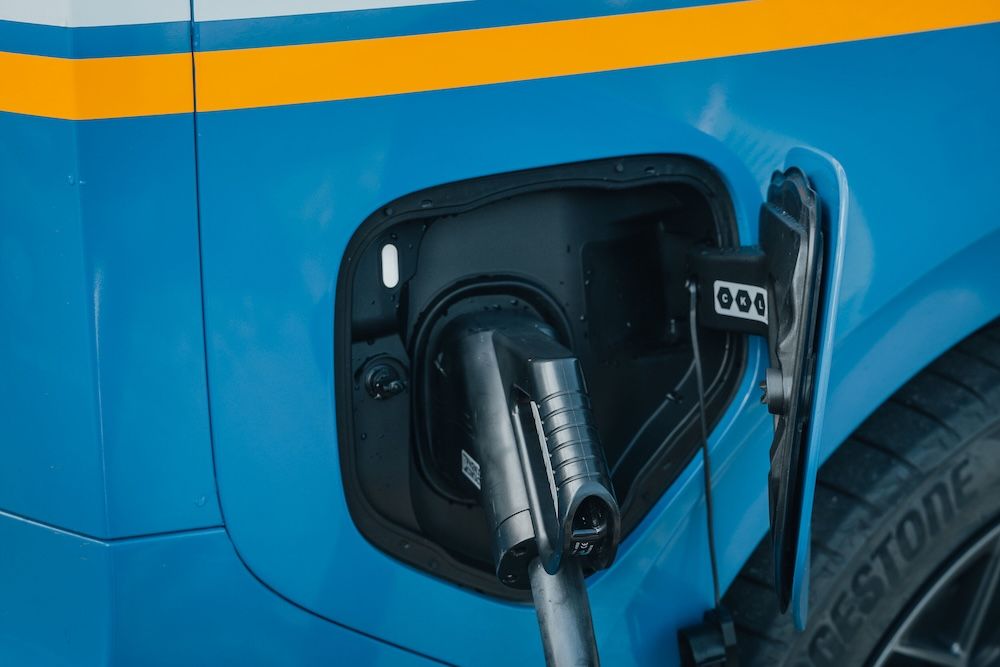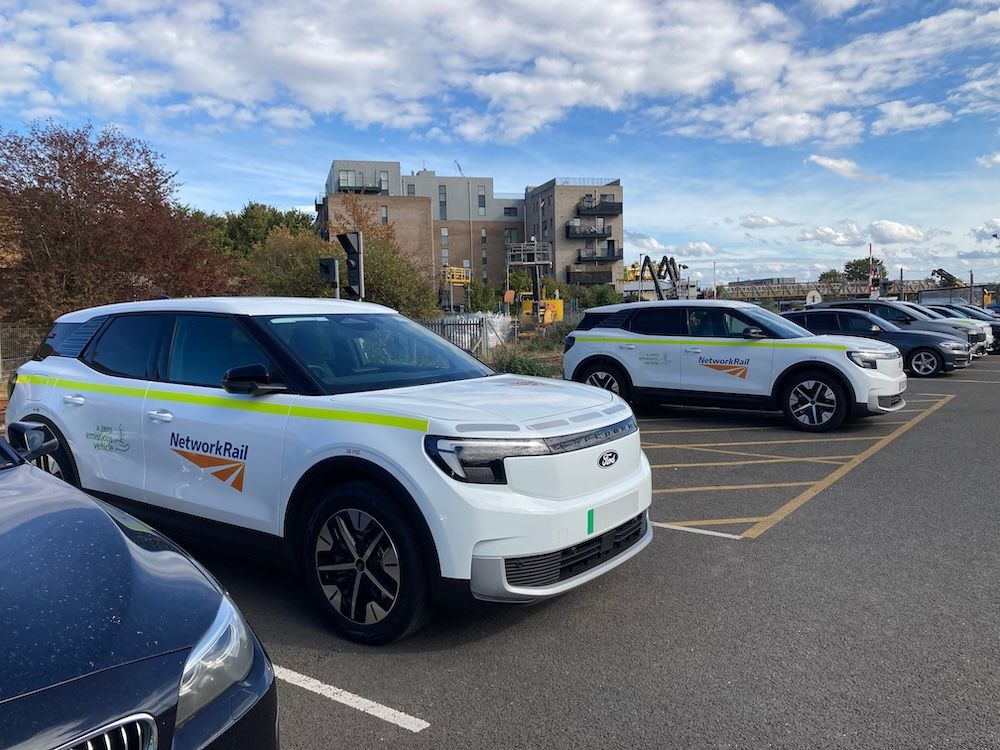
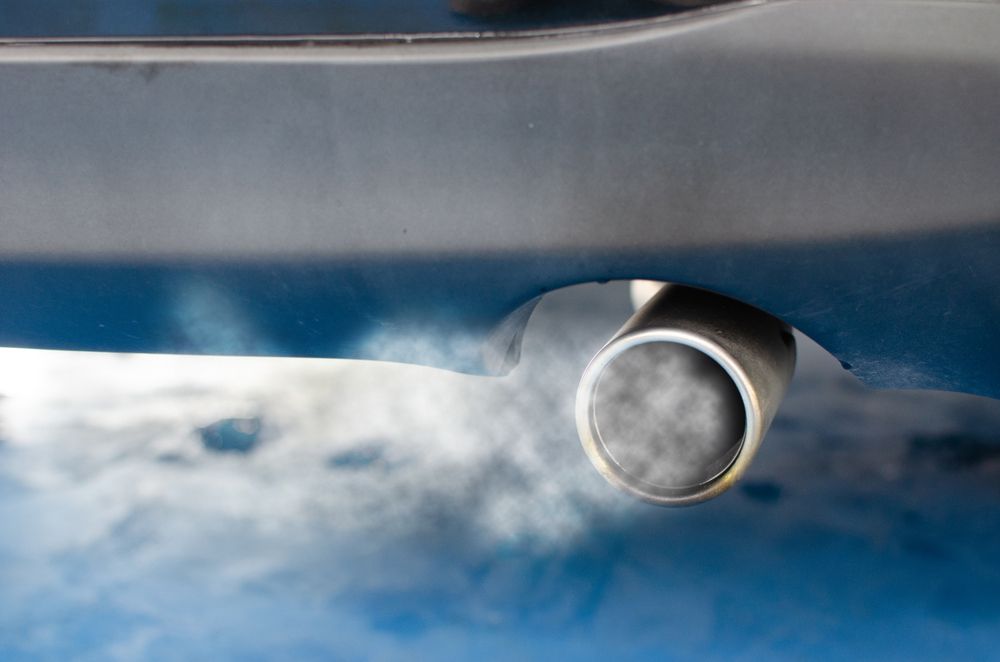
Disparities in fleet electrification across the capital, with communities in lower income areas among those bearing the greatest health burden, has been revealed in new analysis.
The study by Impact on Urban Health, based on Freedom of Information requests to all 32 London boroughs, shows that most councils continue to run diesel-heavy fleets despite the well-established health risks of air pollution, and the capital’s stated ambition to cut road-based emissions.
Council fleets include the vehicles that local authorities use every day to deliver services, such as bin lorries, street-cleaning vehicles, maintenance vans and transport used by housing, highways and parks teams.
These vehicles operate extensively within neighbourhoods, often on residential streets, meaning their emissions directly affect the communities they serve.
While air pollution affects everyone, it disproportionately harms children, people from racially minoritised communities, and those living in lower-income neighbourhoods, the study found.
Of the councils that replied, seventy-one per cent confirmed that diesel makes up the majority of their fleet. Impact on Urban Health estimate that approximately 5000 diesel vehicles on London’s roads are part of council fleets, based on the available FOI data. Electric vehicles account for 21%, far short of the scale required to meet London’s clean-air commitments.
The picture varies by borough with Hillingdon sits at the bottom of the table, with 97% of its vehicles running diesel and Lambeth running only 30%.
New non-zero emission HGVs (≤26 tonnes) are not banned until 2035, and larger trucks until 2040. Yet many London councils, public bodies responsible for maintaining local environments, continue operating diesel-heavy fleets “with little
apparent urgency”, the study said.
Ben Pearce, Head of the Health effects of air pollution programme at Impact on Urban Health, said:
“The air we breathe shapes our health. In too many London neighbourhoods, that air is dangerously polluted, and diesel vehicles are a major contributor. London’s councils are on the front line of delivering cleaner, healthier neighbourhoods, but too many are still operating fleets that add to the problem rather than help solve it.
“We recognise the financial and logistical pressures local authorities face, but the health consequences of inaction are stark. Public bodies should be leading this shift, not making matters worse.
“Lewisham has proven that rapid transition is possible. The challenge now is ensuring that all Londoners, regardless of where they live, can benefit from cleaner air equally. Councils must be supported to make the switch to cleaner vehicles.”
The news comes as the issue of air pollution and the transition to electric, decarbonised fleets will be discussed at Transport + Energy’s upcoming Fleet Electrification Forum at Warwick Conferences on 8 July.
Image courtesy of Shutterstock