The UK Government’s new Warm Homes plan aims to deliver £15bn of public investment and upgrade up to 5 million homes by 2030.
The plan will target assistance at low-income families and support consumer choice to allow for technologies that work for what people want.
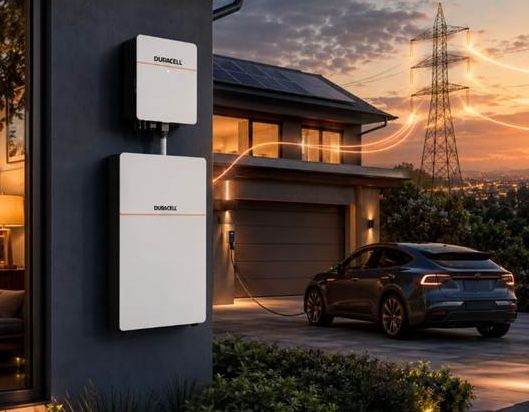
Homeowners will be able to apply for government-backed, low and zero interest loans to install solar panels, batteries, and heat pumps. Low-income households and those in fuel poverty could receive support to cover the full cost of having solar installed on rooftops – alongside new rules to ensure landlords upgrade properties to cut bills for renters.
Solar panels will become standardised, as set out in the Future Homes Standard, to be implemented in early 2026, with the aim to triple the amount of solar on domestic rooftops by 2030. A £7,500 universal grant for heat pumps and an air-to-air heat pump offer to cool homes in the summer will also be offered.
Prime Minister, Keir Starmer, said:
“A warm home shouldn’t be a privilege, it should be a basic guarantee for every family in Britain. Today’s plan marks a turning point. It will help to slash energy costs and lift up to a million people out of fuel poverty.”
Energy Secretary Ed Miliband said:
“With this investment, we embark on a national project to turn the tide – waging war on fuel poverty and taking another step forward in tackling the affordability crisis for families throughout Britain.”
Adam Scorer, Chief Executive at National Energy Action, said:
“People struggling in fuel poverty desperately need the Warm Homes Plan. Cheaper energy costs, efficient heating systems and homes that keep the warmth in are all essential for the plan to succeed. There is a lot of work to be done, but today’s publication and commitment to lift a million households out of fuel poverty is a welcome, landmark occasion.”
Charlie Nunn, CEO of Lloyds Banking Group, said:
“At Lloyds Banking Group, we are committed to helping ensure that homes across the UK are warm, affordable and energy efficient. This will require sustained collaboration between government, industry and civil society, and I look forward to working together to mobilise the finance, innovation and partnerships needed to support more resilient and energy efficient homes.”
Kate Bell, Assistant General Secretary of the TUC, and co-chair of the Warm Homes Taskforce, said:
“No family should live in cold, damp or mouldy conditions. We all know our winters are getting colder with climate change. Finally, we have a government pledging to deliver the millions of home upgrades that the British public need. If delivered right, this programme of investment can deliver quality jobs in every corner of the country and bring down bills.”
Kirsty Britz, Head of Group Sustainability at NatWest Group, said:
“We welcome the government’s announcement of the ‘Warm Homes Plan’, at a critical time for the UK’s transition. Higher energy bills have made it difficult for people to keep themselves and their homes safe and warm. This investment will help unlock more finance and provide much needed support. We look forward to continuing our support for the UK’s mission to adapt and grow in a changing world alongside the government.”
Ben Twomey, Chief Executive of Generation Rent, said:
“We look forward to working with the department on giving renters who are eligible for support to improve their home the assurance they need to apply for it.”
Greg Jackson, Founder of Octopus Energy, said:
“The ‘Warm Homes Plan’ is a really important step forward. Electrifying homes is the best way to cut bills for good and escape the yoyo of fossil fuel costs.”
Chris O’Shea, CEO of Centrica, said:
“As the UK’s largest installer of low-carbon heating technologies, we welcome the Warm Homes Plan as a vital opportunity to accelerate the uptake of game-changing technologies – from heat pumps to solar and home batteries – for millions of households.”
Chris Norbury, Chief Executive of E.ON said:
“We welcome the government’s action through the ‘Warm Homes Plan’ and its clear focus on practical measures that will help households bring their energy bills down.”
Dhara Vyas, Chief Executive of Energy UK, said:
“Supporting better access to clean heat systems, solar panels, batteries and other low-carbon technologies will help millions of households across the UK bring down their energy bills.”
Tania Kumar, Energy Transition Director, CBI, said:
“The ‘Warm Homes Plan’ signals a significant commitment to upgrading homes across the country. By making millions of homes energy efficient, supporting those most in need in society and unleashing consumer demand for heat pumps and solar panels, households and businesses alike will benefit from these investments in the clean energy economy.”
Ben Martin, Policy Manager at the British Chambers of Commerce, said:
“Ensuring the energy transition to clean power works for both households and firms across the country is critical. The ‘Warm Homes Plan’ provides a welcome and clear blueprint that could be extended to businesses.”
Ben Beadle, Chief Executive of the National Residential Landlords Association (NRLA), said:
“The announcement of a clear roadmap for the reform of PRS MEES is welcome. It gives landlords and those living in the private rented sector some certainty and allows businesses to plan for the future.”
David Postings, CEO of UK Finance said:
“Upgrading the UK’s housing stock is essential to meeting our net zero goals, and boosting consumer demand is critical to unlocking private finance at scale. The new ‘Warm Homes Plan’ is a welcome step forward, offering a package of support to help homeowners meet retrofit costs. The financial services sector will work with government, alongside other industries, to accelerate the growth of the green home finance market and help ensure households across the country can share in the benefits of the net zero transition.”
Nick Davies, Head of Climate Policy at Green Alliance, said:
“Everyone has a chance to lower their energy bills with clean technologies under the government’s new ‘Warm Homes Plan’. That’s critical because rollercoaster global gas prices have fuelled a cost of living crisis which means energy bills remain far too high.”
Madeleine Gabriel, Director of Sustainable Future at Nesta, said:
“Increasing access to technologies that can help people live more sustainably comes with significant additional benefits. Solar panels and batteries are smart choices for people looking to cut their bills, and heat pumps also ensure people can enjoy a more comfortable, consistently warm home.”
Ed Matthew, UK Programme Director for the independent climate change think tank E3G, said:
“The increase in oil and gas prices following the Russian invasion of Ukraine cost the UK £183 billion, three times the UK’s annual defence budget. It is time to cut our dependence on fossil fuels and the dictators who are profiting from them.
“This ‘Warm Homes Plan’ will give that mission a kick start by helping insulate and electrify more British homes than ever before. Investing in clean energy will cut energy bills, slash emissions, boost jobs and strengthen our energy security. It is the patriotic choice.”
Mike Thornton, Chief Executive of Energy Saving Trust said:
“The ‘Warm Homes Plan’ has real potential to make homes across the UK warmer, healthier and more affordable. With £15 billion of investment, the plan will help bring low carbon technologies into homes, delivering lasting savings for people still feeling the pressure of the cost of living, whilst reducing our reliance on volatile fossil fuels.”
Jonathan Brearley, Chief Executive Officer of Ofgem said:
“The government’s ‘Warm Homes Plan’ is an important step towards the UK realising its goals in improving energy efficiency in our nation’s buildings. Creating warmer, more energy efficient homes is in all our interests. Ofgem will continue to play a key part in supporting this.”
Jambu Palaniappan, CEO of Checkatrade, said:
“This is a welcome and important step towards accelerating the decarbonisation of British homes in a way that benefits consumers and tradespeople.
“Improving insulation, expanding access to solar and heat pumps, and supporting other energy-efficient upgrades will lower the barriers to green home improvement and make it easier and more affordable for households to cut their bills and carbon footprint.
“The launch of the ‘Warm Homes Plan’ also represents a significant moment for the nation’s skilled trades. It can help create long-term, sustainable work for installers and retrofit specialists, while giving homeowners the confidence to take action.”
Angus McCarey, CEO of Uswitch, said:
“Increasing access to energy efficient technology and warm home upgrades is a vital step towards improving the UK’s energy system and bringing bills down.
“We know many households are willing to take action to reduce their energy bills while keeping homes warm. More consumers need to feel confident that the technology is straight-forward to get in place, and, critically, makes sense financially. We look forward to working with the government to make this a reality so more households can feel the benefits.”
Sara Edmonds, Co-Director of the National Retrofit Hub, said:
“The National Retrofit Hub welcomes the government’s ‘Warm Homes Plan’ as an opportunity to expand the definition of success in retrofit, focusing on the real impact retrofit has on people’s lives. Meeting fuel poverty and carbon targets is vital, and evidence shows people value warm, healthy, affordable homes with greater comfort and less damp and mould.
“The National Retrofit Hub will work with government and partners to help ensure the ‘Warm Homes Plan’ delivers these outcomes in practice in ways that reflect local places and lived experience of communities.
Charlotte Lee, Chief Executive of the Heat Pump Association UK, said:
“Today’s publication, and the funding confirmed to deliver the ‘Warm Homes Plan’, send a strong signal to both industry and consumers that the shift to clean, electrified heat remains important for this government. Heat pumps are a proven, scalable solution that can lower energy bills, improve comfort, and reduce carbon emissions for homes and buildings across the UK. We will continue to work with government and industry partners to support the sector and translate this plan into real progress on the ground.”
Gemma Grimes, Director of Policy and Delivery at Solar Energy UK, said:
“Installing solar panels can slash hundreds of pounds off household energy bills each year, especially when combined with a battery energy storage system and a heat pump. With the loans and grants provided through the ‘Warm Homes Plan’, a huge proportion of the UK population will share the benefits. Almost two million smaller-scale installations have been made already, on homes and businesses – the industry stands ready and able to build millions more by 2030.”
Garry Felgate, CEO of The MCS Foundation, said:
“The ‘Warm Homes Plan’ reaffirms the government’s commitment to clean heat and energy, and the additional funding to help more households access affordable energy in their homes is extremely welcome.
“MCS data shows that more households than ever are installing renewable energy systems, with 2025 yet another record year for heat pumps, batteries, and solar panels. Government grants and incentives have played a significant role in boosting this growth, and the introduction of government-backed low-interest loans will provide further momentum by reducing upfront costs for more households. It will also serve to accelerate progress towards installing the 1.5 million heat pumps a year by 2035 that we need to meet climate targets.”
Rhian-Mari Thomas, Chief Executive Officer of the Green Finance Institute, said:
“The ‘Warm Homes Plan’ is foundational for opening the door to solutions that make homes across the UK warmer, healthier and more affordable to run. Over the next year, the Green Home Finance Strategic Partnership will work collaboratively with financial institutions, energy providers, consumer groups, and government to build on previous programmes and initiatives. The goal is to develop implementable solutions that will drive homeowner demand and remove barriers to innovation in green home financing. This collaboration will turn ambition into action, creating jobs and making home energy upgrades a reality for everyone across the UK.”
Fiona Hyde, Head of Sustainability of Santander UK, said:
“We know that homeowners are increasingly recognising the importance of improving the energy efficiency of their homes, but the upfront cost of making meaningful changes prevents many from taking action.
“The ‘Warm Homes Plan’ offers a chance for households to save money on bills every year while also benefiting from more comfortable homes, that in turn support the green transition.”
Simon McWhirter, CEO of the UK Green Building Council (UKGBC), said:
“This ‘Warm Homes Plan’ represents a vital and necessary step towards delivering comfortable, affordable and future-proofed homes and buildings across the UK.
“UKGBC has long issued a clarion call for a long-term national strategy to tackle the challenge of retrofitting all our homes and commercial buildings at scale, and we are pleased to have worked alongside industry and government to help shape its development.
“We welcome the ambition for a solar ‘rooftop revolution’, low interest loans to help households wean themselves off volatile fossil fuels, and the focus on protecting low-income householders. By harnessing abundant solar energy and heat pump technology to both heat and cool buildings, the plan will help future-proof against rising bills and our rapidly warming climate.”
Charlie Mercer, Policy Director at Startup Coalition, said:
“Today’s Plan is a clear statement that the government wants the UK to be home of the next generation of innovative technologies that cut bills, makes homes warmer, and unlock economic growth”