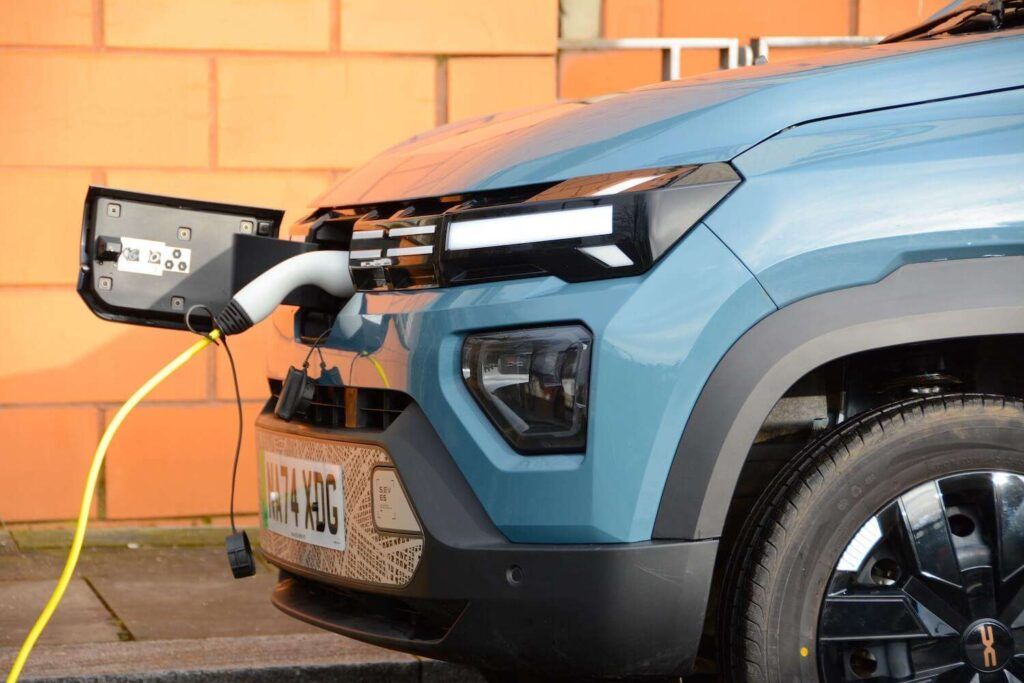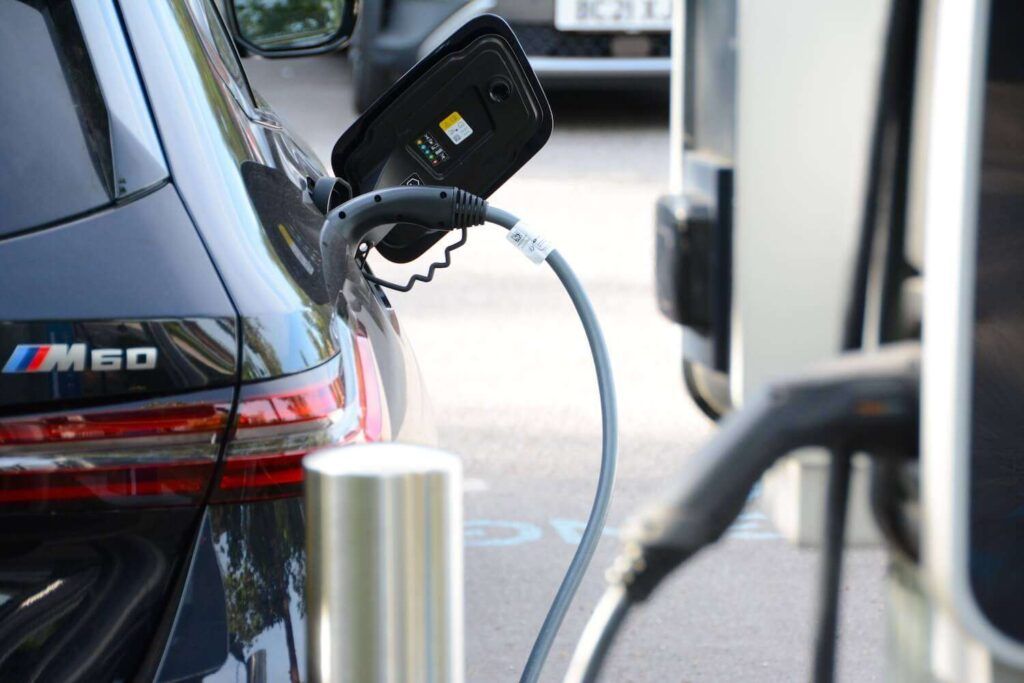
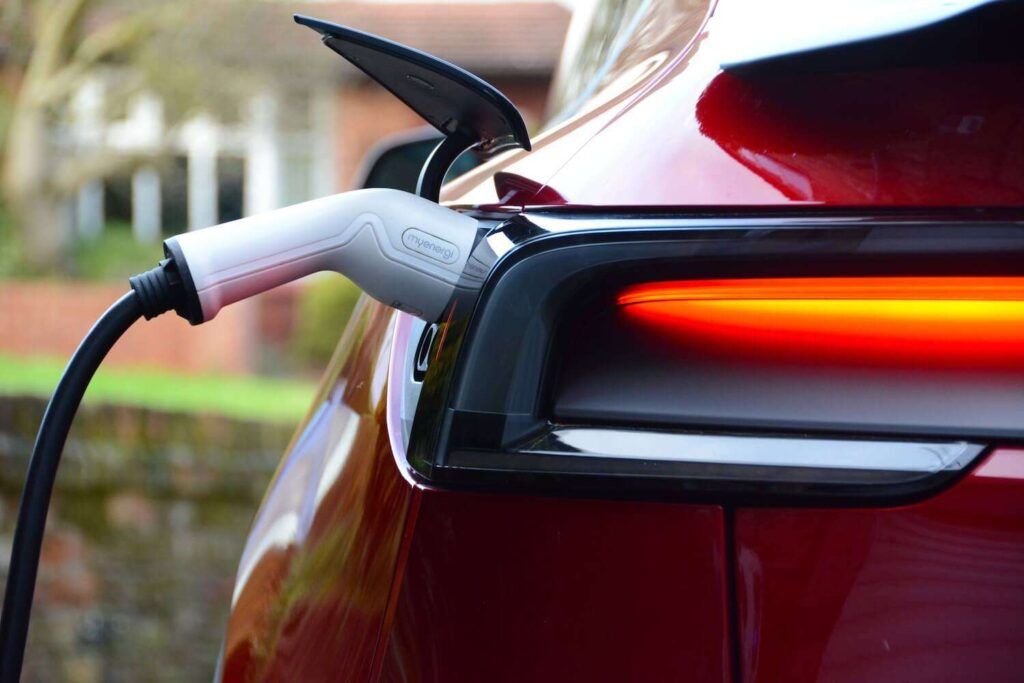
VAT is set to be cut from domestic electricity meaning even cheaper electric vehicle (EV) charging at home – but increasing the disparity with public charging costs.
The move by new Prime Minister Andy Burnham has been questioned by the EV sector, with CEO of Electric Vehicles UK, Tanya Sinclair, taking to LinkedIn to highlight the issue, and Victoria Edmonds, the Chief Executive Officer of EVA England also commenting on the move.
Tanya Sinclair said:
“The new Prime Minister’s first costed policy may have just reinforced one of the biggest inequalities in the EV transition.
“The conversation we have with drivers across the UK is consistent: ‘I’d love to go electric, but I don’t have a driveway so I can’t charge.’ We invest so much time showing them that this isn’t the case. Public charging makes EV driving possible for millions.
“The inequality? those reliant on public charging pay VAT at 20% on their fuel, while those charging at home paid 15 percentage points less. And this morning the gap is yet more stark.
“If we’re serious about the transition to cleaner transport, we cannot continue to ask those without off-street parking to pay more for fuel. And we cannot ask public charging businesses to integrate ever more structural disadvantages into their business models.
“So we look forward to an equally quick redress from the new government, giving us all access to affordable charging…if it is serious about an equitable transition.”
Victoria Edmonds, Chief Executive Officer of EVA England, said:
“Cutting VAT on household energy bills is welcome news. For EV drivers who charge at home, it will make cars that can already save them thousands of pounds even cheaper to run.
“But millions of drivers without a driveway will not fully benefit because they can’t easily access home charging. The Government’s Cost of Public Charging Review must now deliver real structural reform to bring down prices at the chargepoint.
“That means tackling the significant taxes, levies and electricity costs faced by chargepoint operators and ensuring savings are passed directly on to drivers. The transition cannot be fair while people pay substantially more simply because they cannot charge at home.”
The move will see a removal of VAT from domestic electricity bills from October 1 in time to impact the next Ofgem price cap. This action applies and is funded for this financial year, the UK Government claims.
The VAT cut, from 5% to 0%, is estimated to reduce CPI inflation by around 0.10% and RPI by around 0.14%. It is estimated to cost around £850 million in 2026-27 on the basis of estimated electricity prices.
It added that further action including longer-term measures will be taken at the Budget with the OBR forecasts.
Small businesses who qualify for the domestic energy VAT relief and are not registered for VAT, as well as charities and residential care homes eligible for the reduced rate will also benefit.
Prime Minister Andy Burnham said:
“Cutting VAT on electricity bills is expected to take around £45 off the yearly Ofgem price cap in October. This is on top of the £150 removed from bills at the last Budget.
“By targeting electricity bills, more people will be supported with rising bills and the government is helping to keep inflation down.
“All suppliers are expected to pass the VAT reduction on to all customers, including those on fixed tariffs, as they did with the £150 of costs taken off energy bills announced at the last Budget.
Chancellor of the Exchequer John Healey said:
“Today’s energy tax cut will give families some breathing room on bills, and provide some reassurance this winter.
“This measure is funded this year from cancelling the Digital ID programme, and it will help bring down inflation while supporting households in every postcode.
“Energy bills have risen since Russia’s invasion of Ukraine and have been exacerbated because of the war in Iran. But people need support now, which is why the government has acted to provide immediate breathing space for millions of households.”
Jess Ralston, Head of Energy at the Energy and Climate Intelligence Unit (ECIU), said:
“More British renewables are gradually loosening the grip of gas on setting electricity prices and VAT cuts could help households to switch to electric heat pumps, protecting UK homes from becoming ever more exposed to the whims of Putin and Trump when turning on their gas boiler.
“Around 90% of oil and gas has already been extracted from the North Sea and output is set to continue to fall irrespective of new drilling. So if energy security is a priority, more net zero emissions technologies like solar, wind, EVs and heat pumps will be needed, getting the UK off its dependence on burning oil and gas, the price of which are set on international markets. More measures to cut the cost of electricity could help speed up this transition.
“With man-made climate change estimated to have caused at least a thousand extra deaths during recent heatwaves in the UK, getting air to air heat pumps that also provide air conditioning into vulnerable people’s homes, schools and hospitals could well be a bigger priority. Unless we get to net zero emissions and bring balance back to our climate, the mercury will continue to break new records, putting ever more lives at risk.”
Michael Braybrook, Managing Director UK at Zaptec, said:
“Cutting VAT on household electricity is a practical way to give people some relief on bills. For EV drivers who can charge at home, it also makes one of the biggest advantages of electric driving even stronger.
“The real opportunity is to pair lower electricity costs with smart charging: charging when demand is lower and tariffs are cheaper. That helps drivers spend less, while helping the grid handle more electric vehicles without unnecessary pressure at peak times.
“This is a useful step. The long-term job is to make clean electricity affordable, flexible and easy to use, and by making EVs more affordable, it helps accelerate the UK’s shift towards cleaner transport and a lower-carbon future.”
Martin Pibworth, Chief Executive of SSE, said:
“Cutting VAT gives immediate relief to homes and businesses and is a very welcome first step to making electricity as cheap as possible. Electrifying our economy is the way we take advantage of cheap, homegrown renewable power to cut bills, reduce energy dependence and boost economic growth.”
Nigel Pocklington, CEO of the UK green energy firm, Good Energy, said:
“Any step that helps lower energy bills is welcome, particularly ahead of winter when many households will be facing higher heating bills. Removing VAT from electricity bills will provide some immediate relief, and it’s a positive sign that bringing down energy costs is one of Andy Burnham’s first announcements.
“It’s also important to recognise that today’s measures will do little for many businesses, which continue to face high energy costs that hold back investment and growth. Supporting British businesses through lower, more stable energy prices must be an equally important part of the Government’s growth agenda.
“The Government should now take remaining policy costs off electricity bills and into general taxation, while providing additional support for those really struggling with their bills this winter. Together, these reforms would allow households and businesses to benefit much more quickly from Britain’s growing supply of homegrown renewable energy, delivering lower bills, greater energy security and the conditions needed for long-term economic growth.”
Image courtesy of Green Car Guide