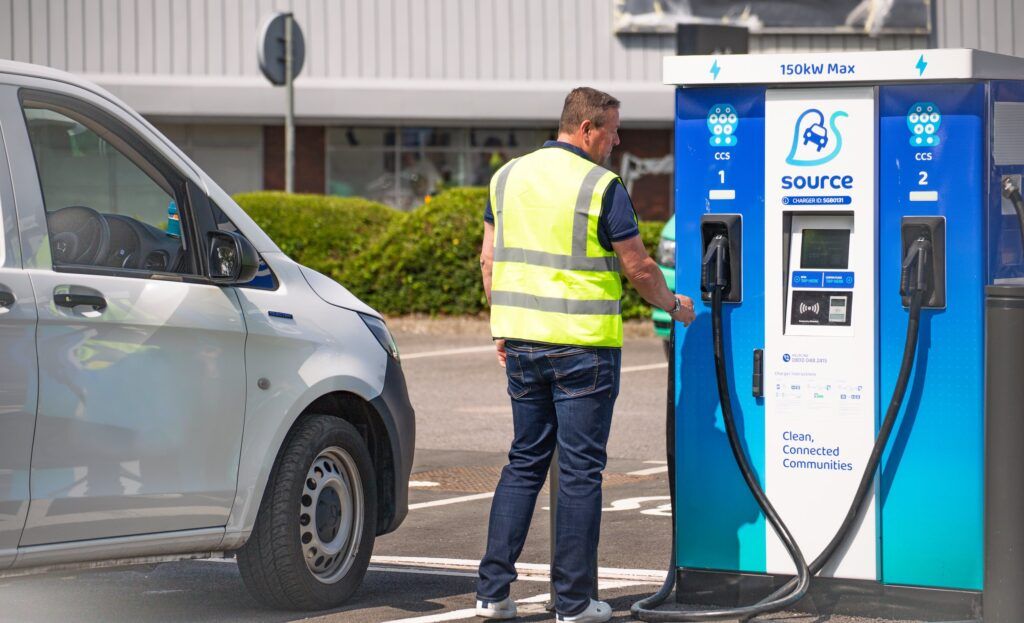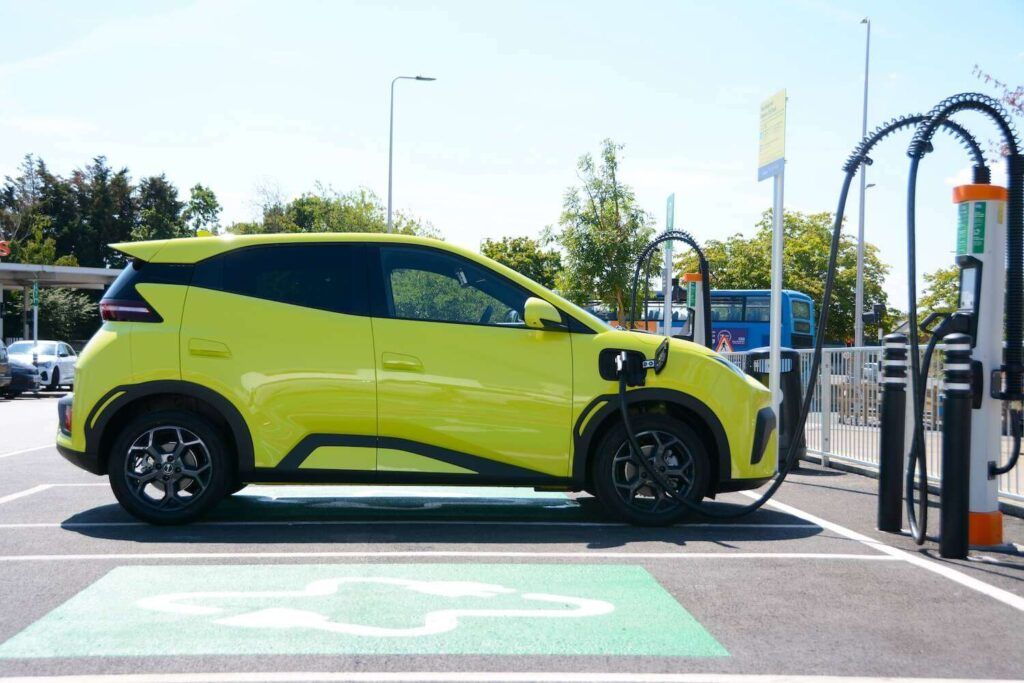
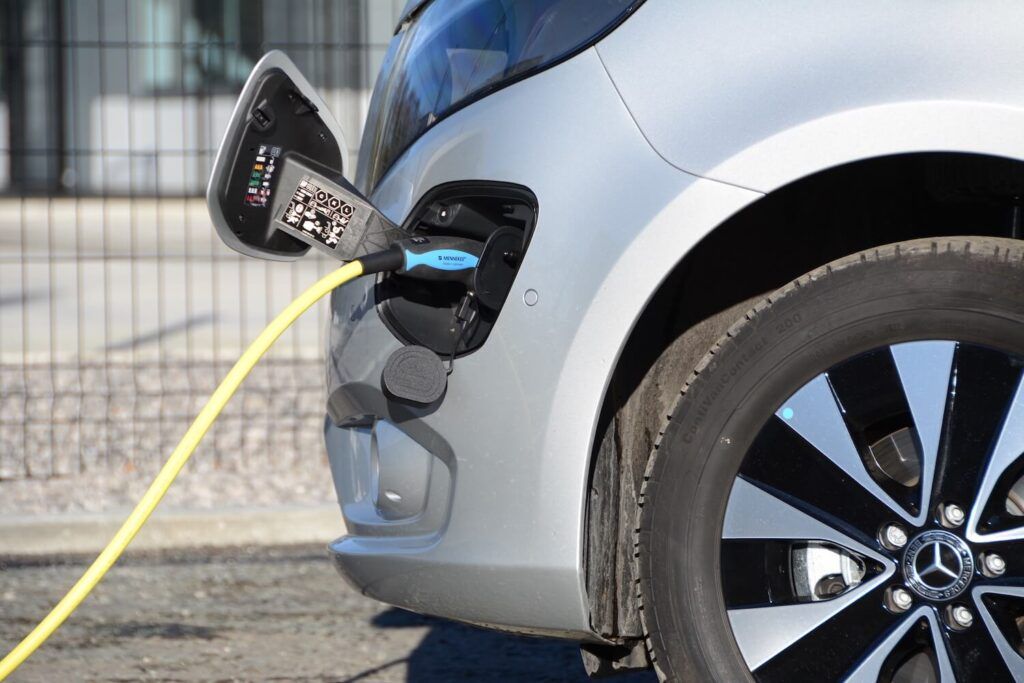
Corpay company Allstar has launched a new charging proposition built for the operational demands of HGV and LCV fleets.
Called the Allstar Commercial Charging Payment Network, it is an integrated charging ecosystem for commercial vehicles, combining access to public and semi-private charging infrastructure through a single integrated payment solution.
The company said it is designed to address one of the biggest barriers to commercial fleet electrification: the gap between public charging infrastructure not built for larger vehicles and private depot infrastructure that remains costly and complex to scale.
It has been designed around the “day-to-day realities of commercial fleet operations”, the company said. Infrastructure partners were selected for site suitability, including pull-through bays, wide turning spaces and high-power charging capable of supporting larger battery systems, including Megawatt Charging Systems (MCS).
Sites are positioned along key logistics corridors to support planned routes and shift patterns, while selected semi-private locations can be pre-booked at selected sites to help reduce queuing, route deviation and operational disruption.
A semi-private access model offers a practical alternative to depot charging infrastructure, with bookable sites, controlled-access charging at partner sites, without the capital cost and complexity of developing their own charging estate.
The proposition combines two complementary access models: an open-access public network, including partners such as Gridserve Electric Freightway, Fleete and InstaVolt, alongside a controlled-access semi-private network of locations, including partners such as Voltempo and First Charge, restricted to approved fleet users.
Tom Rowlands, Managing Director of Global EV Solutions, Corpay including UK brand Allstar, said:
“Commercial fleets do not just need access to charging but they need infrastructure that fits around the realities of running a fleet. For many operators, the choice has been between public charging infrastructure that is not designed for larger commercial vehicles, or the significant investment needed to build dedicated depot infrastructure.
“We are giving fleets another option: scalable charging access designed around operational requirements, without the cost and complexity of building and managing their own charging estate.”
Toby Poston, Chief Executive at BVRLA, said:
“Our latest HGV Outlook report shows that infrastructure availability remains one of the most significant barriers to zero-emission HGV adoption.
“Operators consistently tell us they need greater certainty around charging availability, infrastructure investment and practical deployment pathways if they are to transition with confidence. Expanding access to suitable charging infrastructure will be an important part of supporting that journey.”
Image courtesy of Green Car Guide