
Rapid deployment of economically-competitive clean technology can cut reliance on imported fossil fuels and strengthen energy security, according to BloombergNEF’s New Energy Outlook 2026.
BNEF’s updated Economic Transition Scenario (ETS) maps out how the energy system is most likely to evolve over the next decade and through 2050.
More than in previous crises, countries that are dependent on fossil fuels can “reduce their economic exposure to energy commodity imports by adopting low-carbon technologies”, it found.
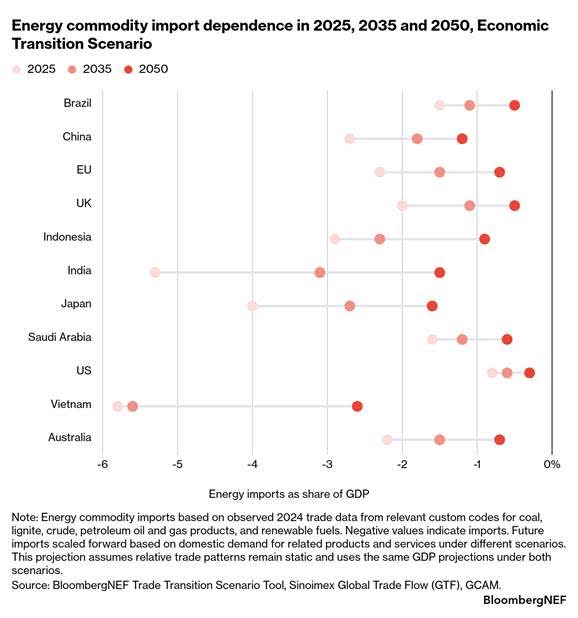
Asian economies with high import liabilities such as Vietnam, Japan, Indonesia and India have the most to gain when looking at energy imports as a share of GDP, with these markets paying between 3% and 6% of their GDP on energy imports in 2025. The EU and China currently spend 2.3% and 2.7% of GDP on energy imports, but rapidly reduce liabilities over the next decade in BNEF’s modelling. Net exporters such as the US and Saudi Arabia also modestly reduce import dependence.
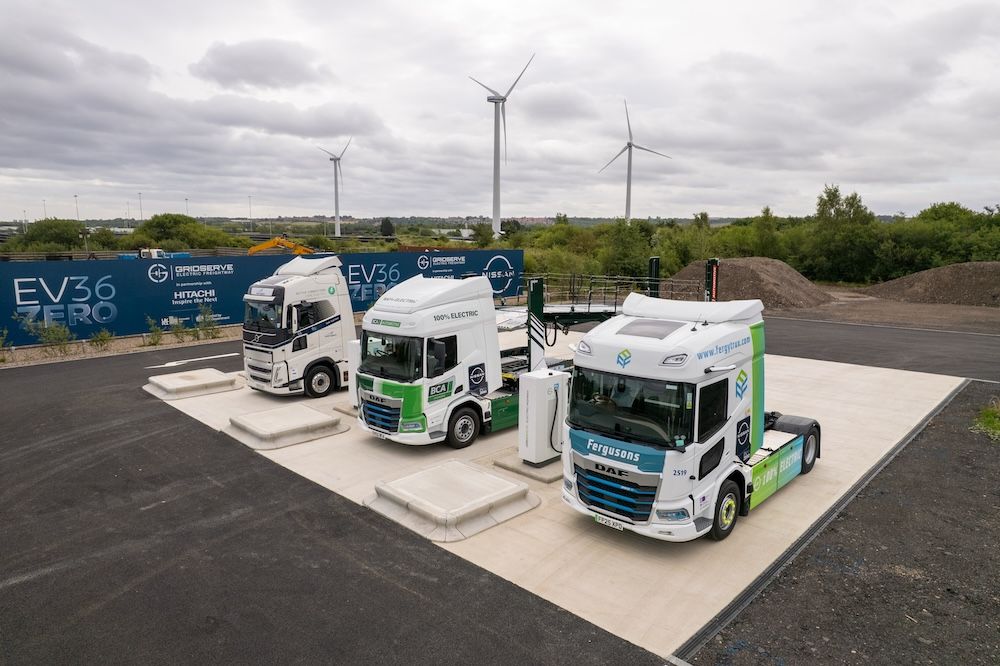
BNEF’s ETS said fuel “cannot compete on cost over the long term”, and will slip to half of current levels of power generation use by 2050, it found. In the long term, the scenario “signals the start of an electricity-led era”, with electricity meeting two-thirds of demand over the next 24 years, with natural gas supplying another 25%.
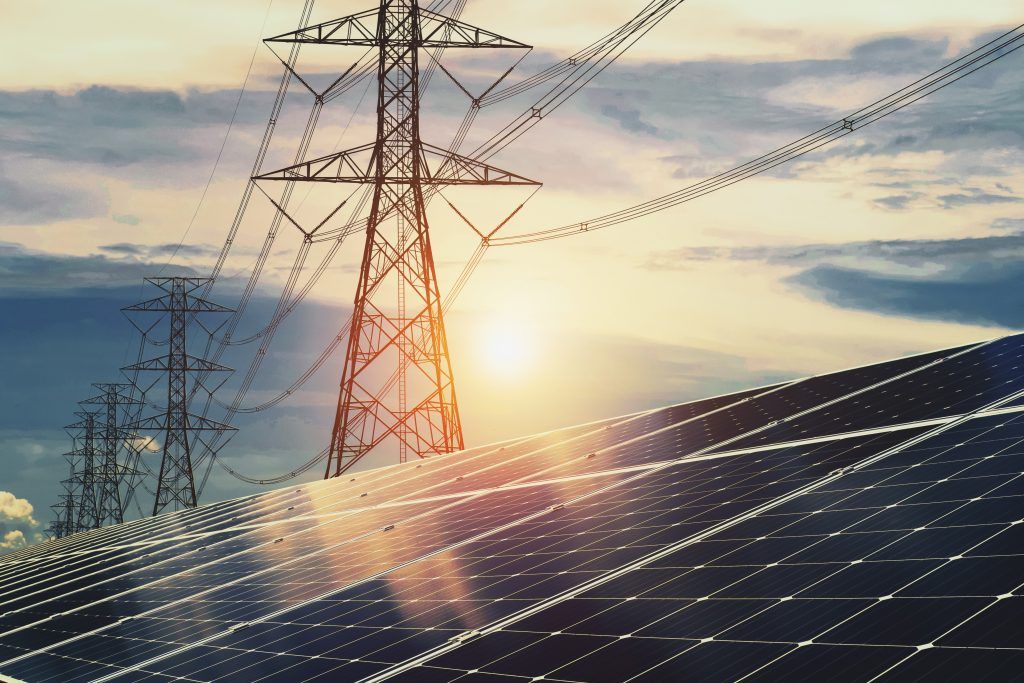
The report also indicates solar will become the world’s largest generator of electricity by 2032, driven by overcapacity and falling prices. Additionally, the outlook for battery deployment has increased, with storage jumping 17-fold from 223GW in 2025 to 3.8TW by 2035.
It comes as global electricity demand has more than doubled since 2000, with demand rising a further 29% by 2035 and 69% by 2050.
This year’s New Energy Outlook also include a reworked update to the NZS, a pathway that keeps global warming well below 2C. The updated scenario reflects a slower pace of transition, shifting policy priorities, and limited progress in next-generation clean technologies since its last update, in 2024. Under this pathway, peak warming reaches 1.81C, compared with 1.75C in the 2024 edition.
BNEF finds that achieving 1.5C is no longer feasible due to persistently high emissions and continued investment in emissions-intensive assets.
Despite $0.5 trillion in corporate equity and billions in government support, the next great low-cost energy technology “has yet to emerge”.
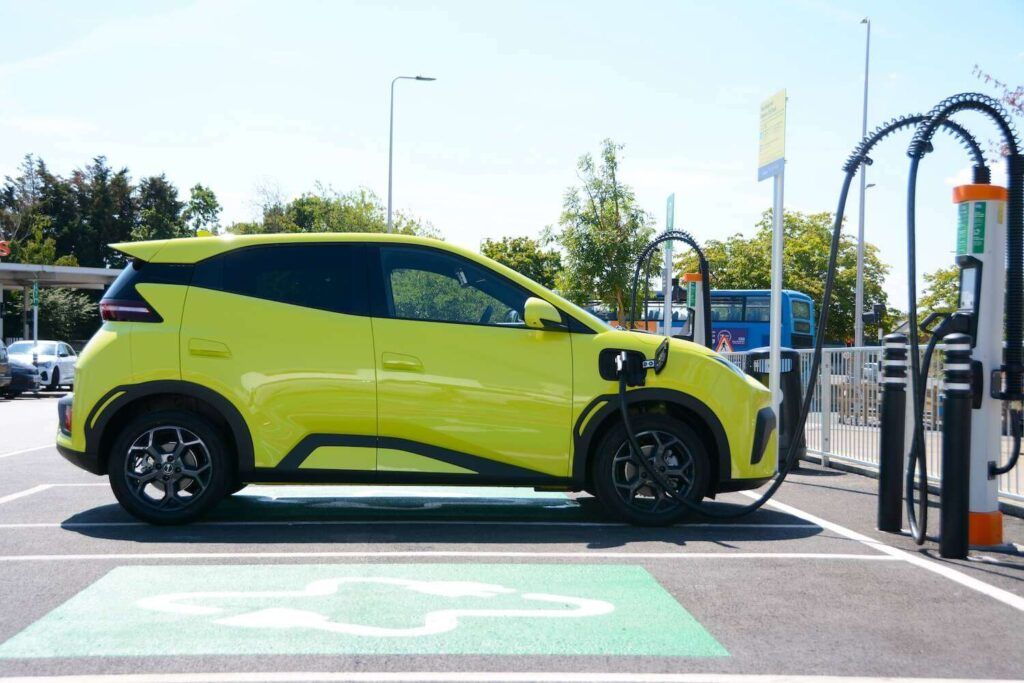
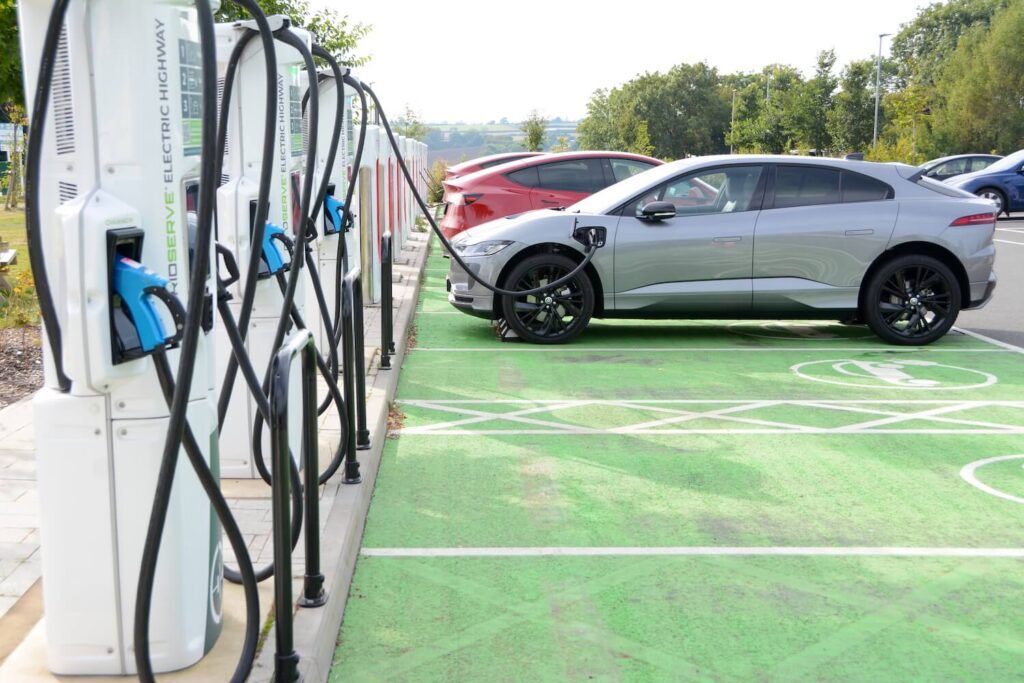
While EVs reduce crude oil demand, it is the growth of the clean power sector that makes the single greatest contribution to curbing CO2 emissions under the ETS.
David Hostert, Chief Economist at BloombergNEF, said:
“We’re living in another moment of crisis, but unlike in past decades, today there are real options for countries to react. We now have viable technologies that can be deployed at scale and fast, at an overall lower cost to the system than the fossil fuel technologies that used to be the primary choice.
“Through clean power and electrification we can strengthen energy security and reduce harmful emissions along the way.”
Matthias Kimmel, Head of Energy Economics, said:
“As EVs, data centers, population growth and industrial activity spur electricity demand, the world is in a race to meet rising energy demand with the most efficient, least-cost technologies.
“NEO shows that solar becomes the world’s largest generator overall by 2032, while storage jumps 17-fold to 3.8 terawatts by 2050, underscoring how clean technologies are increasingly critical to energy security, system flexibility and meeting the world’s growing power needs.”
Image from Shutterstock