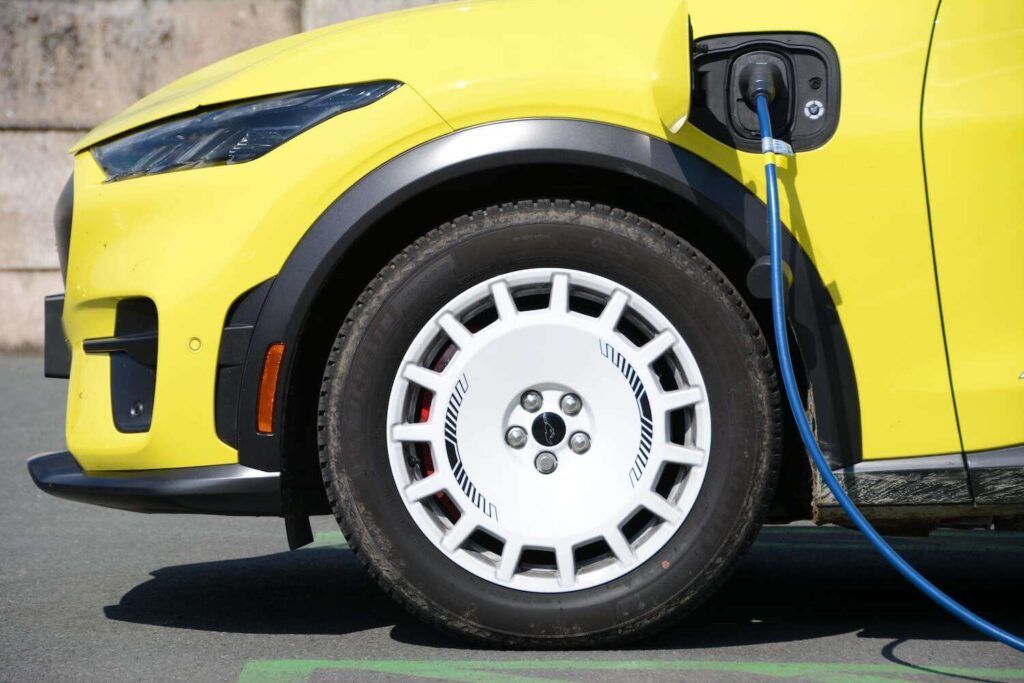
The UK Government is cutting red tape on public charge point installation in a bid to drive down installation costs, it has announced.
Through the Planning and Infrastructure Act 2025 and amendments to the Traffic Management Permit Scheme (England) Regulations 2007, operators will no longer have to undertake applications for section 50 licences to install chargers, and instead will be able to apply for street works permits.
As a result, installation costs will drop from as much as £1,000 to as little as £45, it claimed.
Under the new system, operators will be able to apply for a street works permit through Street Manager – the digital service used by all highway authorities and utility companies in England.
Heidi Alexander, Secretary of State for Transport, said:
“Businesses are at the heart of the EV revolution, and we’re backing them every step of the way. These changes slash the cost of permits for businesses, lowering installation fees for public chargers from £1,000 to as little as £45, and cutting wait times from several months to just days.
“We’re investing over £600 million to roll out hundreds of thousands more charge points, building on 118,000 already in place, and cutting the upfront cost for families of going electric with savings of up to £3,750 off a new EV. With global fuel price fluctuations, making the switch has never made more sense.”
Jarrod Birch, head of policy and public affairs, ChargeUK said:
“Streamlining the process for charge point operators to apply for street works is a very positive move – ChargeUK has been calling since its inception for government to cut this red tape. It will help to speed up the deployment of the hundred thousand on-street local charge points we are expecting to install in the next two to three years.
“However there remains a lot more for government to do if it wants to fully back the businesses at the heart of the EV revolution. Addressing the full cost burden for charge point operators, which is largely driven by energy and standing charges, is critical.
“Tackling surging standing charges, equalising VAT with home charging and committing to stable policy through a robust ZEV mandate are the highest priorities for the charging industry to invest even more quickly in infrastructure.”
Image courtesy of Green Car Guide