Proposed pay-per-mile electric vehicle duty (eVED) could cost the UK’s fleet sector £260m a year by 2028 in just compliance, according to analysis from the British Vehicle Rental and Leasing Association (BVRLA).
The cost is based on BVRLA member data, and driven by both direct administration (£75m) and lost productivity from vehicles taken off the road for mileage checks (£185m).
It equates to around 10% of total revenues raised, with some members estimating the true cost could reach 40–45 pence per £1 collected once operational impacts are included, far above HMRC’s 0.5% efficiency benchmark.
The estimates exclude one-off implementation costs, the cost of mileage readings at approved centres, and the tax itself.
With BVRLA members currently operating 1.1 million battery electric and plug-in hybrid vehicles, rising to 1.5 million by 2027, the scale of impact will grow rapidly.
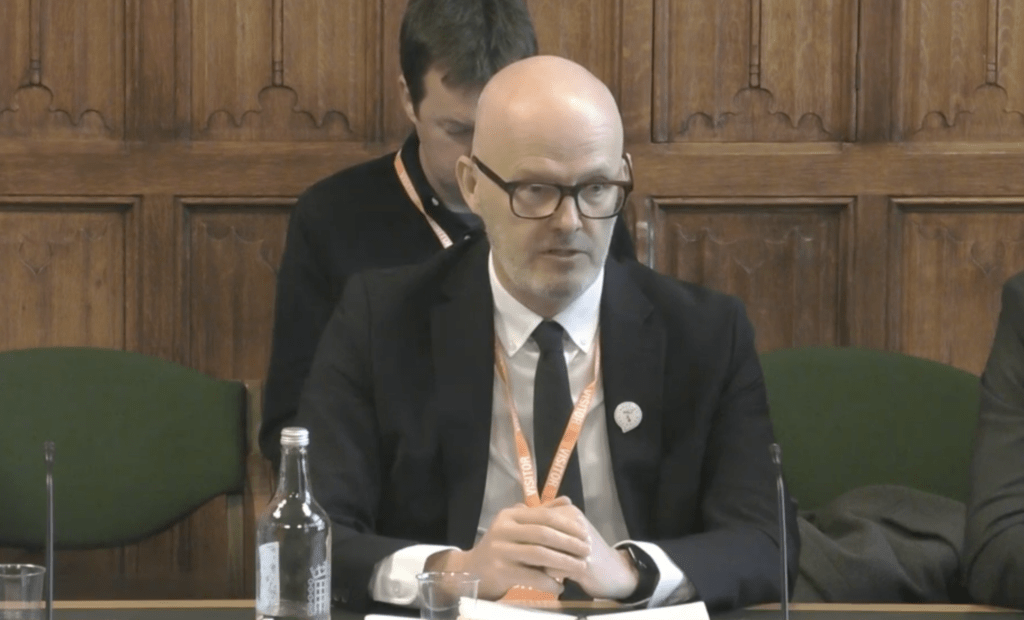
Giving evidence to the Transport Select Committee’s inquiry into “Supercharging the EV transition”, BVRLA Chief Executive Toby Poston warned that the scheme, as currently designed, is being introduced “in the wrong way at the wrong time.”
He told MPs the policy is “extremely fleet hostile”, presenting feedback from BVRLA members that highlights the practical challenges of delivering the scheme at scale:
- Vehicles are often out on lease and rarely physically inspected, making accurate mileage collection complex
- The system would require estimating, reporting, verifying and reconciling mileage across large fleets
- Annual verification processes would create significant vehicle downtime and operational disruption
Toby Poston, CEO of the BVRLA, said:
“Based on current fleet data, eVED would have cost rental, leasing and fleet operators around £185 million in 2025 through a combination of administration and vehicle downtime. That rises to roughly a quarter of a billion pounds by 2028 as fleets grow. In return, the Treasury is expected to collect around £595 million in eVED from the sector.
“This is not a marginal cost. It is a significant operational burden that ultimately feeds through to businesses and consumers who rely on these vehicles every day. It is an inefficient policy that adds unnecessary friction into a sector that is already investing heavily in decarbonisation.”
Fiona Howarth, Founder & Director of Octopus Electric Vehicles, added:
“By 2028, this is set to cost fleet operators around £250 million a year – money that ultimately comes from drivers, businesses, and households who rely on these vehicles every day.
“With huge uncertainty over oil prices and supply, we should be accelerating the transition to electric. A pay-per-mile approach risks doing the opposite. It adds complexity and cost just as drivers are starting to see EVs as the simpler, better option.
“This is increasingly looking like the wrong tax at the wrong time.”
The news comes as EVA England also provided evidence to the committee, highlighting its own research that lower-income drivers are most concerned about the scheme’s design.
Lower-income drivers – who are critical to mass adoption – are significantly more concerned about how the Government’s proposed pay-per-mile scheme will work in practice, particularly the requirement to estimate and pay for mileage upfront.
Among households earning under £26,000, 76% are concerned about upfront payments, compared to 56% of the highest earners, with real concerns that they will be left out of pocket by the scheme.
Giving evidence to the committee, EVA England Chief Executive Vicky Edmonds said:
“From a driver’s perspective, we are creating a two-tier transition. We’ve got around 25% of new car sales electric, but only 5.5% of the overall car parc. Those getting into EVs love them. But they are disproportionately higher income and more likely to have driveways.
“For low and middle income households, cost is absolutely essential. There are many who want to switch but simply cannot afford to today.”
Alongside the survey, EVA England also published information on new analysis with Transport & Environment showing how Government support could be better targeted to unlock access to EVs for millions more households.
The report finds that current incentives are largely focused on new vehicles and higher-income drivers, while most households – who typically buy used cars – are not yet being reached.
It sets out practical solutions, including subsidised social leasing schemes and simple “all-in one” packages combining vehicle, insurance and charging, which could bring EVs within reach of lower and middle income households.
Eloise Sacares, Vehicles Policy Senior Researcher at Transport & Environment, said:
“Social leasing is the perfect next step for the UK’s EV transition. With the introduction of eVED approaching, the government must put in place targeted incentives for those who currently drive ICE cars to transition to BEVs. While the Electric Car Grant reduces costs for consumers who buy their cars upfront, there is currently no support for those who lease their vehicles.
“With the cheapest EV lease at £141 a month, those on low incomes are priced out and unable to benefit from lower running costs. By bringing leasing costs down to as low as £77 a month, we can ensure that EVs are accessible and reduce bills for all.”
It comes as Transport + Energy has launched its Fleet Electrification Forum, find out more on the event this summer here.
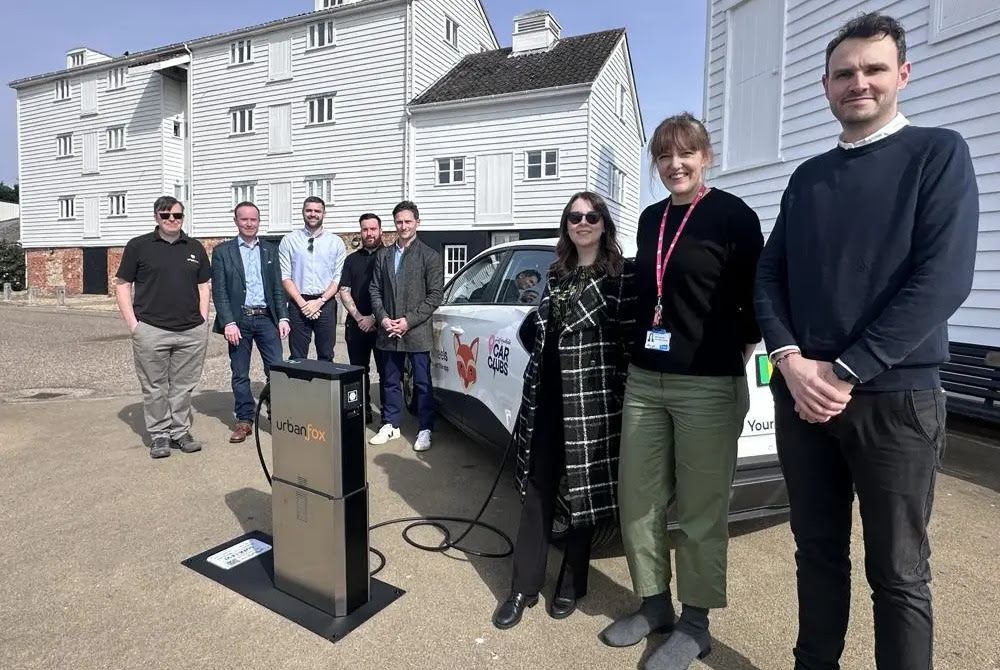
Image courtesy of BVRLA