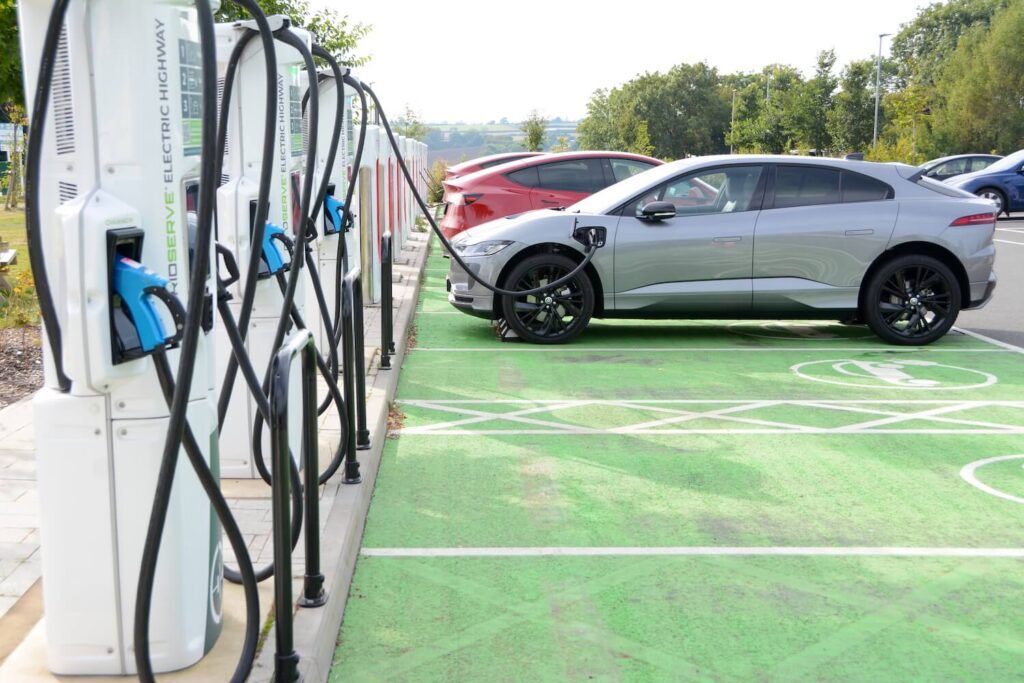
Electric vehicle (EV) leaders have called on the UK Government to cut VAT on public charging as petrol and diesel drivers are more protected from global price shocks than electric counterparts.
The 5p fuel duty cut was first introduced during the global energy crisis after Russia’s invasion of Ukraine to shield drivers from soaring petrol prices.
But industry figures say keeping the duty cut, while maintaining 20% VAT on public EV charging, effectively means drivers who have already switched to electric are being penalised.
Home charging is taxed at just 5% VAT, but public charging carries 20% VAT with EV leaders stating “that gap is unfair and increasingly hard to justify”.
The news follows community benefit society Charge My Street winning its appeal on whether public electric vehicle (EV) charging should qualify for the reduced 5% VAT rate. The Tribunal found that Charge My Street’s model of providing accessible, community-based EV charging met the criteria for the reduced VAT rate previously reserved for domestic electricity supplies.
Ginny Buckley, the chief executive of Electrifying.com, the electric car buying and advice site said:
“Government research shows around a third of UK households don’t have off-street parking, meaning millions of drivers will depend on public charging. Yet they’re the ones paying the highest price.
“Even with today’s energy prices, charging at home can cost as little as 1.8p per mile, but if you rely on public charging that can rise to around 18p per mile – ten times as much and often more than running a petrol car. Public charging is taxed at four times the rate of electricity at home, which simply isn’t fair.
“The late Quentin Willson did brilliant work highlighting this problem and pushing for change, but it still hasn’t been fixed. If the Government expects car makers to hit the EV sales targets it’s set for the industry, it should at least fix a tax system that penalises drivers who don’t have a driveway.”
Delvin Lane, CEO of InstaVolt, said:
“The UK charging network is growing rapidly and giving drivers the confidence to go electric. But tax policy needs to keep pace with the transition.
“Reducing VAT on public charging would immediately improve fairness and support more drivers making the switch.”
Ben Nelmes, CEO, New AutoMotive, said:
“Electric car drivers shouldn’t be left exposed to rising energy costs. Yet households with EVs sit outside the price cap and will feel the impact of higher bills first.
“With 1.8 million EV drivers now on UK roads, this is no longer a niche issue. The Chancellor should act to ensure these households are protected from the knock-on costs of the Middle East conflict.”
Warren Ryan Phillips, Campaign Lead, FairCharge, said:
“It’s hard to justify a system where drivers who’ve switched to electric can end up paying more tax to charge than petrol drivers pay to fill up.
“If the Government is going to keep insulating petrol and diesel from global price shocks through a fuel duty cut, it should show the same fairness to EV drivers by reducing VAT on public charging. Otherwise we risk discouraging the very shift we need.”
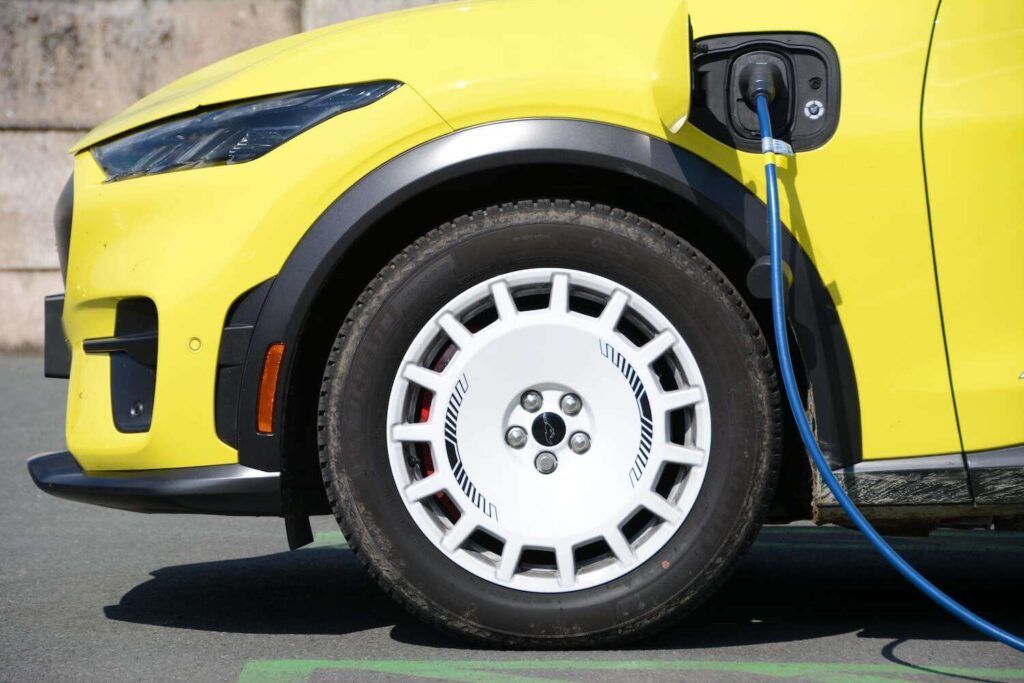
Image courtesy of Green Car Guide