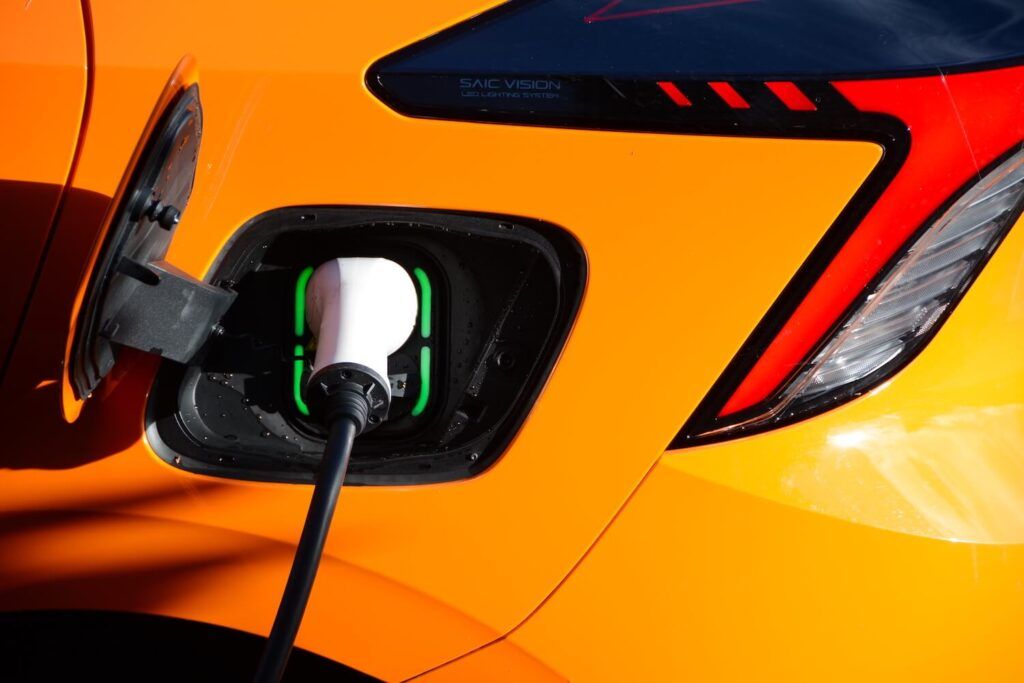

Electric vehicle (EV) running costs are beating petrol, and protecting the advantage “will be critical to maintaining consumer confidence” in light of potential road pricing reforms, analysis from char.gy has shown.
New figures show that £20 spent on electricity using char.gy’s overnight tariff can power an electric vehicle for around 150–200 miles – significantly further than the roughly 120 miles for a typical petrol car.
For the average UK driver, that equates to around 7–10 days of driving from a £20 overnight charge, compared with around six days for petrol.
The firm’s report with YouGov, What Everyone Should Know About EVs, shows affordable charging is the single biggest trigger for switching to electric vehicles.
Nearly two-thirds (63%) of non-EV owners said reduced charging costs would persuade them to switch, rising to 78% among drivers considering buying an EV in the near term and 76% among longer-term considerers.
Char.gy said growing adoption of off-peak charging tariffs is helping drivers maximise these cost benefits. It added a growing share of its customers now use overnight charging to manage costs, with drivers able to save substantially compared with charging during peak periods.
In addition, it said any new road pricing system – such as the mooted pay-per-mile – “should ensure the transition to electric vehicles does not erode the cost advantages that are currently encouraging drivers to switch”. If new policies significantly increase the cost of driving electric vehicles, the company warns “it could risk slowing adoption at a critical stage in the UK’s transition to zero-emission transport”.
John Lewis, CEO of char.gy, said:
“For many drivers considering the switch to electric, the key question is simple: will it cost less to run?
“Our analysis shows that even today, using public charging, £20 of electricity can power an EV significantly further than £20 of petrol.
“Affordable charging is one of the biggest drivers of EV adoption. As policymakers consider new road pricing models, it will be crucial to protect the cost advantages that are already helping millions of drivers move away from petrol and diesel.”
Image courtesy of char.gy