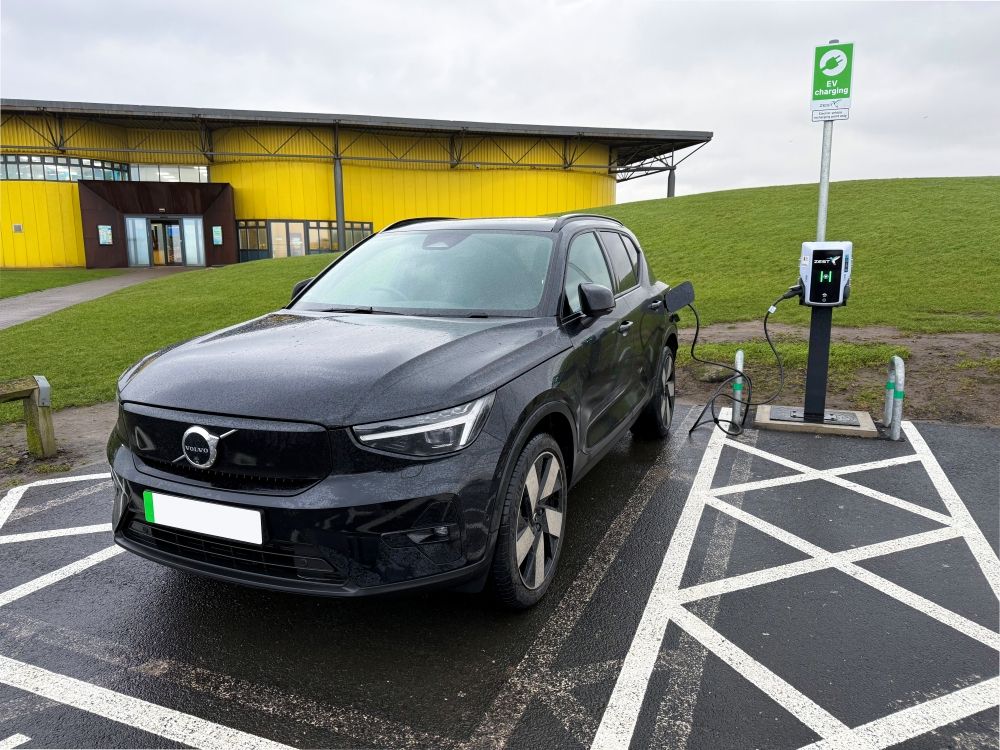
The Department for Transport (DfT) has concluded that there are now “considerably more” public electric vehicle (EV) chargers than fuel pumps in the UK.
According to the data, there are approximately 60,802 fuel pumps in the UK, while there are more than 116,000 public EV chargers.
The data comparison is based on combined information provided from two sources. One is the Petrol Retailers Association’s 2025 market review in November 2024, which found there were 8,329 petrol stations operating in the UK. The other is 2013 research from Deloitte which found that the average number of fuelling positions per petrol station was 7.3.
Therefore, by multiplying the number of stations by fuelling positions – interpreted as pumps – the DfT arrived at the overall figure of 60,802 fuel pumps in the UK.
It comes as the DfT has released new figures from its data set on the number of public chargepoints, in partnership with Zapmap, which has revealed there are currently 116,052 chargers in the UK.
Last year, Transport + Energy reported on research that suggested petrol and diesel refuelling stations could be extinct as early as 2038 according to new research.
Although it is expected that there will still be more than 10 million ICE vehicles on the road by the middle of the next decade, it will become increasingly hard to fill them up at traditional forecourts, EV charging network Be.EV claimed.
Data showed that the typical forecourt has already decreasing from roughly 40,000 in 1967 to 8,353 in 2023 – a decrease of 75%.
Vicky Edmonds, Chief Executive Officer of EVA England, said:
“This milestone shows we’re genuinely moving in the right direction and building the charging network that drivers need to make the switch to electric with confidence. More public chargers than fuel pumps is not just a nice benchmark, it reflects huge progress on the ground that EV drivers are feeling.
“69% of EV drivers have told EVA England the charging network has improved over the past year, and that growing confidence matters.
“But we shouldn’t stop here. Ensuring reliable, affordable and convenient charging where people live, work and travel is key to helping even more drivers make the transition smoothly.”
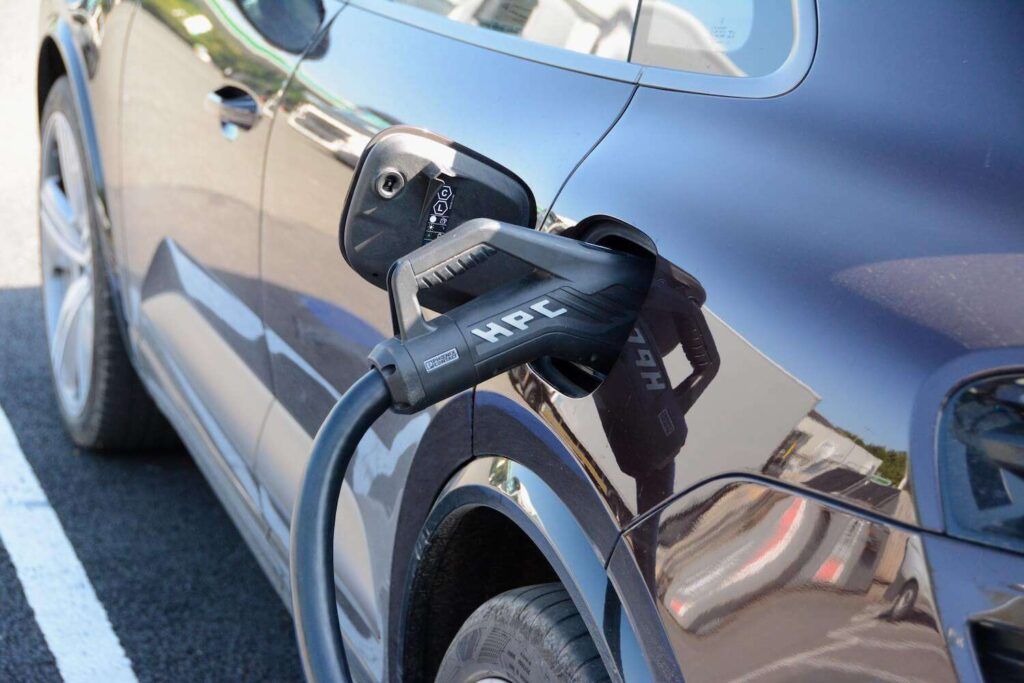
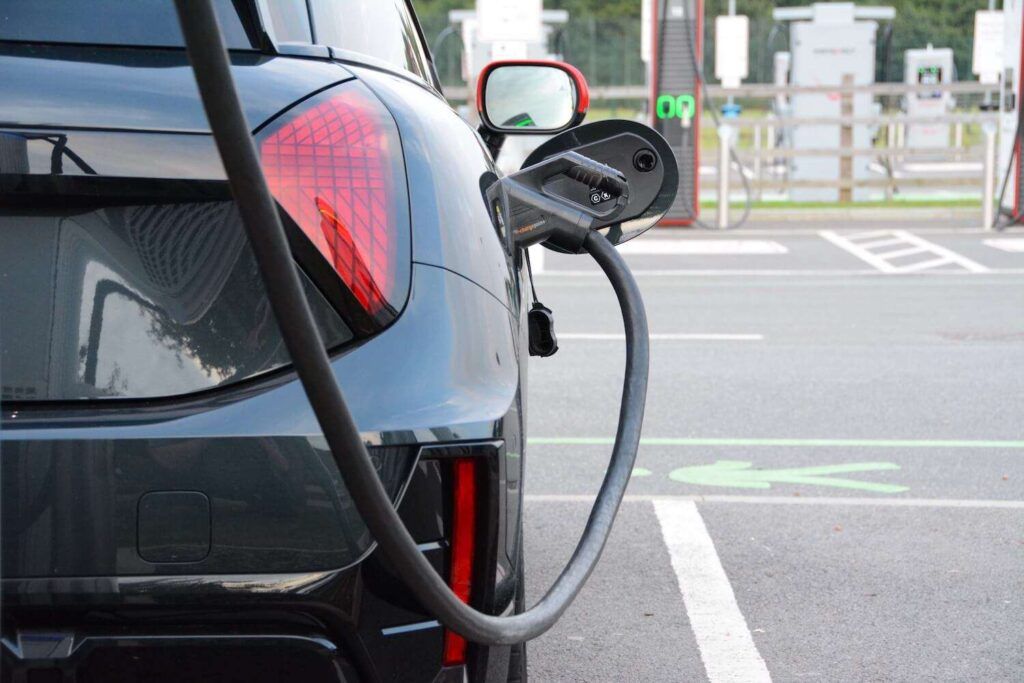
Image courtesy of Green Car Guide