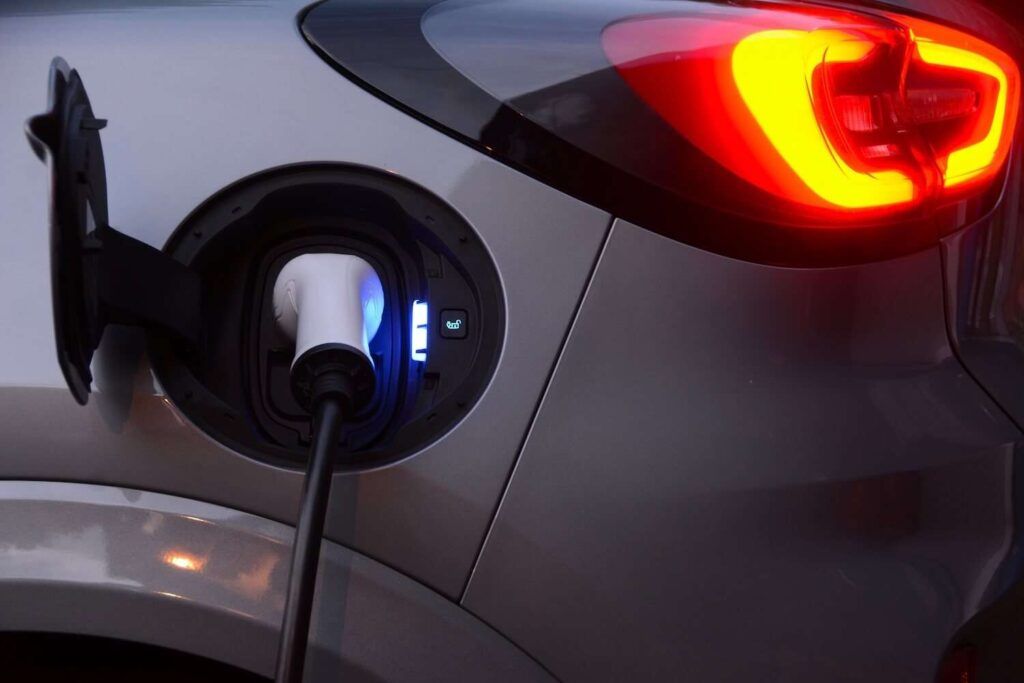
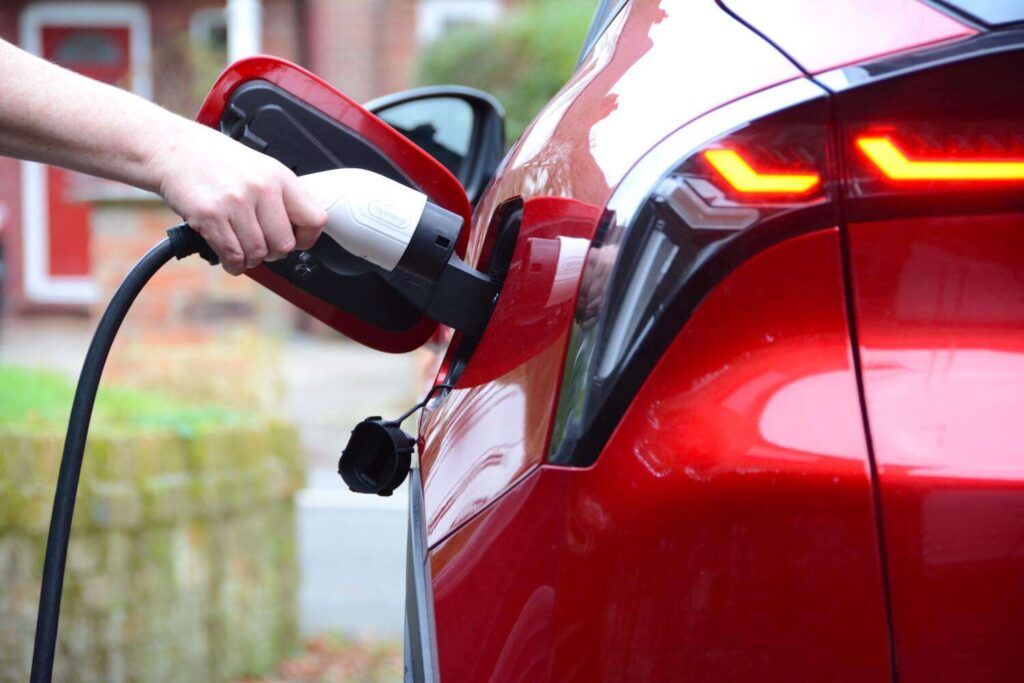
Grants up to £500 will be available for renters, flat owners, homeowners without driveways, and businesses when installing electric vehicle (EV) chargepoints, the UK Government has announced.
The grants will cover almost half the cost of a typical charge point installation until March 2027, the UK Government said, with the aim to assist more drivers in the transition to EVs. In addition, schools will be eligible for grants up to £2,000 per socket, building on 3,700 sockets installed to-date.
The update on the grant funding will also simplify the current EV charge point support schemes available. It will reduce the current eight grant types down to five, “streamlining the system so people can navigate and select schemes and discounts more easily”, the UK Government claimed.
Last year, a £25m scheme was also launched making it easier for residents without driveways to install home chargers. Accessed through local authorities, the scheme supports the installation of embedded pavement channels and is additional to the expanded charge point grant.
The new grant also follows the UK Government’s Electric Car Grant, which has been used by more than 55,000 drivers to-date, and which creates savings of up to £3,750 on a range of new EVs.
Alongside the ECG and home and workplace charging grants, the government is also expanding the national 88,500 public charge point network, with £600 million announced last year to accelerate the charging rollout.
It also comes as the Department for Transport has launched a campaign on EVs, called ‘Get that electric feeling’, and which aims to inspire confidence and promote making the switch to such vehicles.
Aviation, Maritime and Decarbonisation Minister, Keir Mather said:
“We’re taking action to make EV ownership the affordable choice for everyone – not just those with driveways.
“Bigger grants mean families, flat owners, renters and small businesses can now install a charger for almost half the usual cost, with home charging costing as little as 2p a mile.”
Ginny Buckley, the chief executive of Electrifying.com, the electric car buying and advice site said:
“We don’t need the government to make homes more valuable for landlords, we need it to make EV ownership more affordable for everyone.
“You can now pick up a great secondhand EV for around £10,000, bringing electric driving within reach of many more households. But if installing a home charger means finding another £1,000 or more, that cost can easily become the deciding factor between sticking with petrol or making the switch.
“We need a broader approach to affordability that looks at the total cost of going electric. Having a driveway doesn’t automatically mean you can afford to install a charger.”
Tina McKenzie, Policy Chair, Federation of Small Businesses said:
“Many small businesses want to switch to electric vehicles, with half of small businesses (51%) saying that more charging infrastructure would incentivise them to make the switch.
“Small firms want to cut their emissions and reduce their fuel bills and removing or lowering the barriers which currently tip the scales against electric vehicle adoption can only be a good thing – for small businesses, for the economy, and for the planet.”
Ben Beadle, Chief Executive of the National Residential Landlords Association, said:
“Almost nine in ten landlords with a suitable property would install EV charge points if a tenant asks them to undertake this work. Given the extent of landlords’ willingness to provide them, we welcome the Government’s plans to encourage more widespread installation of these points across the sector.
“We urge landlords to make best use of the grants now available where it is feasible for them to do so.”
Vicky Edmonds, Chief Executive Officer of EVA England, said:
“Access to affordable charging is the make-or-break issue for a fair EV transition. Without it, millions of drivers are effectively priced out. As England’s only independent, driver-funded EV body, we welcome this boost for renters and flat owners, and for much needed, greater levels of workplace charging. Our research shows 60% of drivers without off-street parking say they would never consider an EV, a stark reminder that cost and access still define who can and cannot switch.
But grants must be matched by action to tackle higher public charging prices and speed up acceptance of cross-pavement solutions, otherwise the charging divide will remain and the transition simply won’t feel fair to drivers.”
Jarrod Birch, Head of Policy, ChargeUK said:
“This is a welcome boost for EV drivers, combined with the Electric Car Grant it shows what’s possible when drivers can access affordable energy – low running costs that make EVs the obvious choice. Most drivers use a blend of home and public charging, so the UK’s 88,500-strong public network is a vital part of the EV driving puzzle. But policy-driven costs mean public charging is more expensive than it needs be, with standing charges alone rising by 462% since 2021.
“The Government’s review into the cost of public charging is the opportunity to address this by levelling VAT with home and tackling the soaring charges that have increased prices. Making driving an EV affordable for all is the route to keeping the transition on track.”
Ginny Buckley, the chief executive of Electrifying.com, the electric car buying and advice site said:
“We don’t need the government to make homes more valuable for landlords, we need it to make EV ownership more affordable for everyone.
“You can now pick up a great secondhand EV for around £10,000, bringing electric driving within reach of many more households. But if installing a home charger means finding another £1,000 or more, that cost can easily become the deciding factor between sticking with petrol or making the switch.
“We need a broader approach to affordability that looks at the total cost of going electric. Having a driveway doesn’t automatically mean you can afford to install a charger.”Image courtesy of Green Car Guide