EV fleet charging payment platform Rightcharge has released its 2026 Annual State of Fleet Charging Report, highlighting the disparity in fleet charging.
Based on real-world data from tens of thousands of charging sessions and more than 1,000 megawatts of energy
delivered to UK fleets during 2025.
The report highlights a clear disparity in ‘fuelling’ costs depending on where fleets plug in. Public charging accounted for only 27% of sessions but made up 57% of total fleet spend.
While public charging is useful for keeping drivers moving, it often comes with a heavy premium. In 2025, the average cost for public charging was 81p/kWh, whereas charging at home cost an average of 25p/kWh.
This means businesses relying heavily on the public network are paying more than three times the price for the same amount of energy.
The findings prove that for electric fleets, saving money and saving carbon come hand-in-hand. Rightcharge identifies ‘Smart Charging’ as a key lever.
While 77% of home charging already happens during off-peak hours, only 43% of public sessions do. By shifting more charging to off-peak periods, fleets can cut their charging-related emissions by up to a third.
Furthermore, fleets that encourage drivers to switch to a dedicated EV tariff can see the rates drop even further to around 6-7p/kWh, unlocking annual savings of up to £1,300 per driver.
Rightcharge is calling on businesses to stop obsessing over occasional high-cost public charging sessions and instead focus on the ‘blended average unit rate’. By looking at the average cost across all charging, businesses can get a true picture of their costs and potential savings, it said.
In 2025, the average blended unit rate across the Rightcharge platform was 40p/kWh, equating to 11p per mile. Making electric vehicles significantly cheaper to ‘fuel’ than diesel at 15p per mile or petrol at 17p per mile.
Charlie Cook, Founder and CEO of Rightcharge, said:
“Transitioning to an electric fleet brings huge benefits, but optimising your charging can help you save even more money.
Our latest data shows a big difference in charging costs across the UK fleets. We’ve published this report to give fleet managers the benchmarks that they need to see the true value of electric vehicles. We’re also excited to announce that we’ll be sharing snapshots from our platform data throughout the year.”
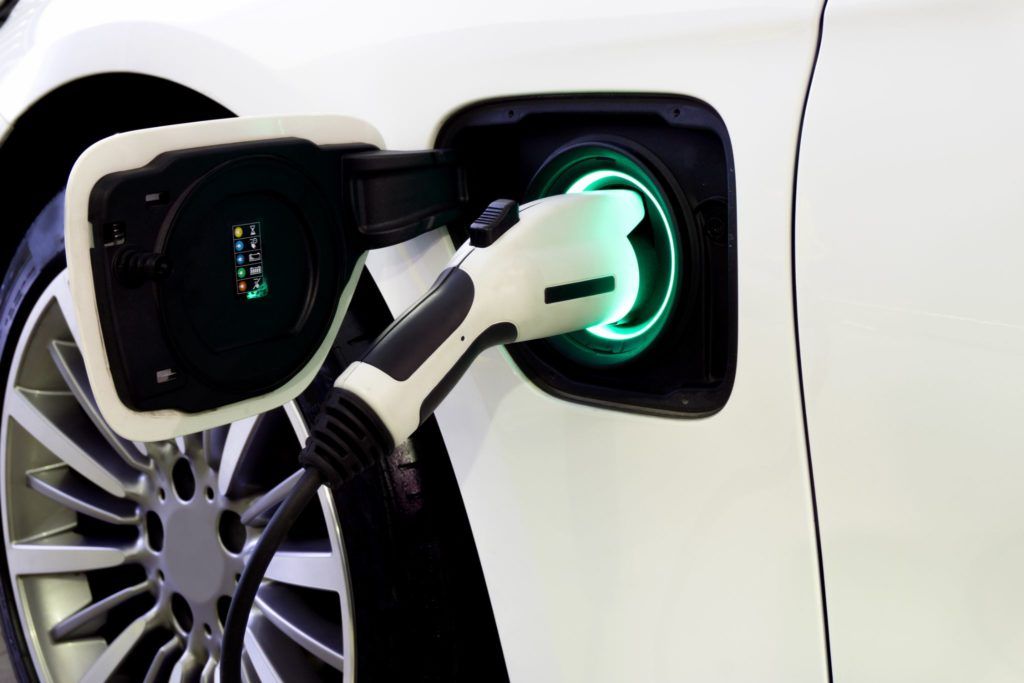
Image from Shutterstock