National Grid’s subsea electricity interconnector portfolio has delivered more than £1.65bn of benefit for Great British consumers since 2023, it has said.
The figure, which is compared to if it has been replaced with traditional gas generation, demonstrates how interconnectors lower energy bills and ensuring security in energy supply, National Grid added.
The National Energy System Operator can use the flexibility of interconnectors to import or export to help lower energy bills. By benefitting from different time zones, variations in energy demand, and importing surplus energy from the continent at a lower cost, interconnectors are reducing the number of price spikes which Great Britain faces.
With increasing amounts of renewable generation in Great Britain, the nation is expected to become a net electricity exporter in the 2030s. This change will reduce the curtailment costs of wind power and reduce energy bills for consumers, National Grid said.
Interconnectors have seen more than £300 million in payments to GB consumers since 2023, under the Cap and Floor regulatory regime. They provide the System Operators with access to more electricity sources in times of need, and support the delivery of the Government’s Clean Power target with more than two-thirds of imports zero-carbon since 2023.
By forming links between Great Britain and its European neighbours, interconnectors enable flexible access to electricity from the broader EU energy system, which delivers a reduction in Great Britain’s wholesale prices, compared to operating traditional gas generation, National Grid concluded.
Ben Wilson, President of National Grid Ventures, said:
“Diversity of supply enhances energy security and by linking Great Britain to five other markets, National Grid provides access to a broader mix of energy sources. With different energy systems that have different patterns of customer demand, we’re able to complement one another and share lower cost abundant power.
“Interconnectors have lowered electricity prices for Great Britain consumers by enabling this cooperation, ensuring that energy isn’t wasted. With more renewable energy production and interconnector projects coming online, this mutual benefit is set to continue and increase over the next 10 years as we are forecast to become an electricity exporter.”
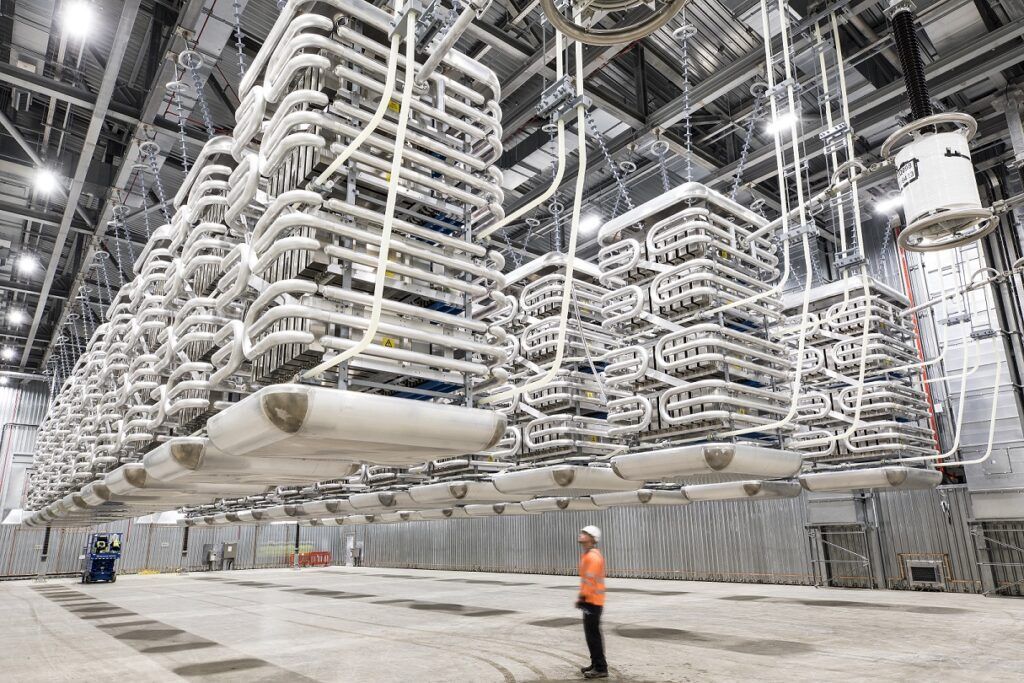
Image of interconnector courtesy of National Grid