Managing director of First Bus London Bill Cahill has said there are a number of challenges in electrifying bus garages to meet the capital’s ambitious 2030 decarbonisation target.
Speaking to the Evening Standard, Cahill said that “it’s not just about buying buses” and “electrifying the depots will become progressively more difficult”.
He said: “You don’t plug an electric bus into a 13amp socket. It’s a very high voltage system that takes a lot of planning.”
Cahill said that more incentives for bus companies would help, including longer contracts to ensure certainty, but also added that there was limited power in the grid across the capital – including booking power up to five years in advance.
Firms then had to get the energy to the “front or back door” and only then could garages electrify, he added.
It comes as the company has already committed to electrifying all of its garages by 2030 apart from at its site near to HS2 at Old Oak Common, where there are power supply issues.
The company has also recently purchased 60 electric BYD buses which are able to deliver 500 miles of range, which allows for two to three days of operation without charging.
These vehicles follow around 350 BYD buses, meaning there is around 420 out of the total London fleet of around 1,000 being electrified.
The remaining fleet are diesel hybrids, with less than 200 diesel vehicles.
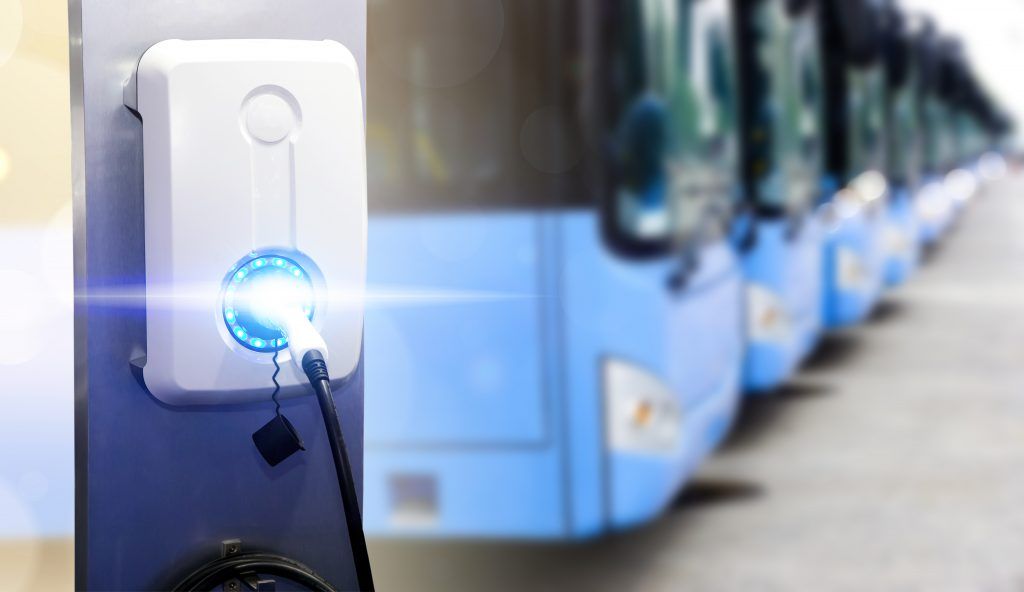
Image from Shutterstock