The National Energy System Operator (NESO) has confirmed a new pipeline of projects that will be prioritised for connection to the electricity networks.
Through reforming the system, NESO said it has the potential to unlock £40bn of investment a year, and helping deliver the UK government’s target of clean power by 2030 through the removal of so-called ‘zombie projects’.
The operator has worked with the UK, Scottish and Welsh governments, Ofgem, network companies and the energy industry to “transform the connections process from the ground up”, it said.
Under the new process, projects are prioritised where they are aligned to national energy targets and are ready-to-build, such as those with planning permission or land rights.
Around three thousand applications from projects wanting to connect have been assessed through the process. The previous first-come, first-served model had created a decade-long queue for connection, leaving more than 700 GW of generation and storage projects waiting for grid access. This is around four times what is required to deliver clean power in 2030.
In total, 132GW of projects are identified as aligned with the delivery of the UK government’s targets. A further 151GW of projects are identified as needed to meet Britain’s needs by 2035. The new pipeline also includes almost 100GW of new or expanded transmission demand connections.
NESO said it will begin informing customers today if they are part of the new pipeline of projects that are prioritised for connection. Projects may reapply in future application windows or if further space becomes available in the pipeline, subject to proving readiness and alignment to national targets.
Kayte O’Neill, Chief Operating Officer, NESO, said:
“Transforming the grid connections process is a vital first step in unlocking the capacity needs for a secure, affordable energy transition. These changes will cut grid bottlenecks by prioritising ready-to-build projects, giving certainty about when and where they can connect and unlocking billions in clean energy investment.
“These changes wouldn’t be possible without the collaboration of our partners over the last two years. Together, we’re laying the foundations for a resilient, efficient and future-ready energy system that delivers for British consumers and the economy.”
Energy Secretary Ed Miliband, Department for Energy Security and Net Zero, said:
“We inherited a broken system where zombie projects were allowed to hold up grid connections for viable projects that will bring investment, jobs and economic growth.
“To fix this we embarked on ambitious, once in a generation reforms to clean up the queue and prioritise the projects that are ready to help us deliver clean power by 2030.
“Every solar farm, wind farm or battery storage facility we connect to the electricity grid brings us closer to clean, homegrown, power that we control – so we can get bills down for good.”
Jonathan Brearley, CEO, Ofgem, said:
“We are embarking on the biggest transition our energy system has ever undergone. The destination is clear: a more stable electricity system, a system that is secure, and a system that is ultimately affordable for customers. The way we use energy is evolving. From AI-driven technologies and power-hungry data centres to the surge of electric vehicles on our roads and heat pumps in our homes, demand has reached unprecedented levels.
“Together we’ve cleared the gridlock and created a new pipeline that prioritises the projects Britain needs most. We are building grids as fast as the sector possibly can, while ensuring generation gets connected. Every step is focused on delivering real value for customers and creating an energy system that works for the future”
Chris Stark, Head of Mission Control for Clean Power 2030, said:
“Queuing is a very British tradition, but the queue to connect to Britain’s grid has held back our economy. This overhaul of the connections process is the single most important step we will take towards a clean power system.
“The energy projects our country needs now have the green light to deploy at a pace we haven’t seen for decades. This unlocks the modern, clean energy system Britain needs for 2030 and beyond.”
Clare Jackson, CEO of Hydrogen UK, said:
“We are pleased to see the results of NESO’s Connections Reform. Hydrogen has an important role in the UK’s Clean Power ambitions, supporting energy demand while driving industrial decarbonisation. The results open the door and free up space for further hydrogen innovation and accelerated project development.
“Hydrogen’s standout advantage is its ability to store energy at scale, providing the flexibility and reliability needed to deliver power on demand and strengthen the resilience of our future energy system.”
Dhara Vyas, CEO of Energy UK, said:
“A stable, secure energy system depends on ensuring that we can connect more clean power generation to our grid in the coming years. Addressing the issues in the connections queue is critically important and today marks an important milestone with the announcement of a new project pipeline that will unlock investment across the country.
“The National Energy System Operator, Government, and the regulator have worked closely with industry to transform the connections process, and this reform is just the beginning. The energy industry is keen to see planning and environmental processes further streamlined to ensure projects and infrastructure are built out efficiently across the country. Continued efforts will drive investment and create jobs in communities throughout Great Britain, reduce our reliance on volatile gas prices and, ultimately, lead to stable, affordable energy bills for households and businesses.”
Lawrence Slade, Chief Executive of ENA, said:
“This announcement from NESO marks a pivotal moment for the energy sector as a whole. The complex task of reforming the connections queue has required deep collaboration across the sector.
“Networks have played a critical role by working closely with customers and industry, conducting detailed evidence checks and providing timely submissions to NESO. Ultimately, this reformed connections process will mean fair and faster connections for GB customers.”
Shevaun Haviland, Director General of the British Chambers of Commerce, said:
“For too long, businesses have been impacted by lengthy queues to get connected to the grid, holding firms back as they look to expand or decarbonise.
“NESO’s reforms to the grid will be enthusiastically welcomed by businesses. It is now critical that they lead to real-world delivery. Ensuring quicker connections to the grid and cutting queues are desperately needed so businesses can support economic growth across the UK.”
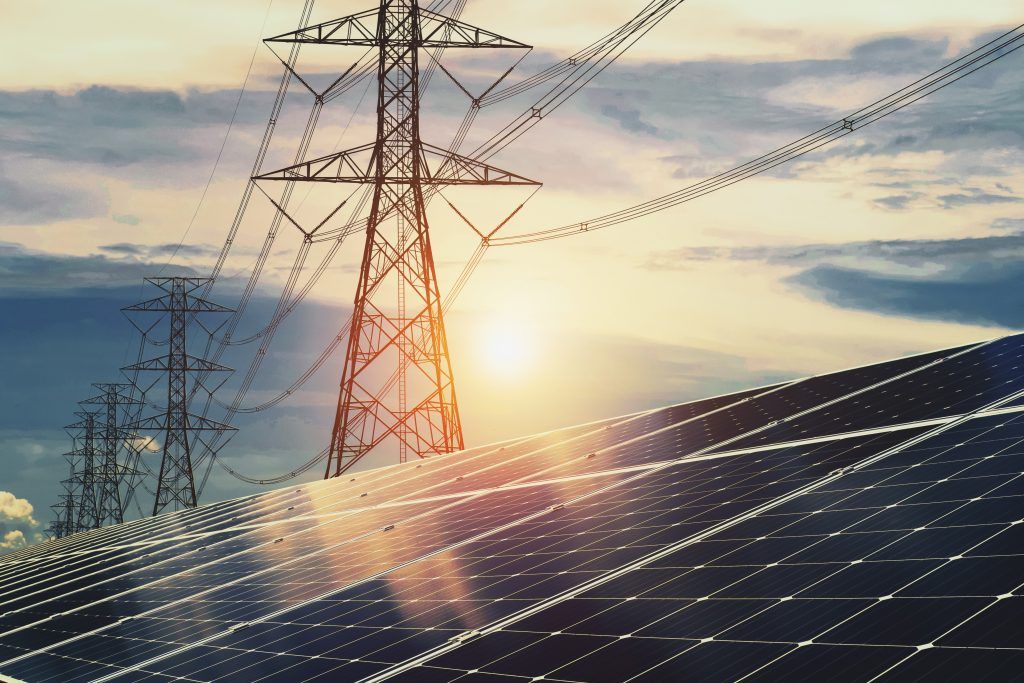
Image from Shutterstock