Almost one in three believe that the driver should pick up the bill during Christmas car sharing, according to research by vehicle manufacturer BYD.
But almost 27% also believe the cost should be split equally between everyone in the vehicle, highlighting the division of who is responsible for the costs.
The electric vehicle manufacturer surveyed 2,000 people across the UK, revealing a growing etiquette gap as EV use becomes more widespread and social norms struggle to keep pace.
18 to 24 year olds are the most likely to say the driver should pay, with 35% agreeing. In comparison, 25 to 34 year olds (31%) and 35 to 44 year olds (30%) are the only age groups where more people think the cost should be split equally than paid by the driver alone.
Across the UK, one in six (16%) say the car’s owner should pay, regardless of who’s behind the wheel, while just 11% believe passengers should split the cost equally among themselves.
There’s confusion too, as one in 10 (10%) respondents admit they simply don’t know the proper etiquette when it comes to sharing EV charging costs, with many navigating these social rules for the first time.
Laura Akano, internationally-certified etiquette expert, said:
“The most polite way to raise the topic of splitting EV charging costs with passengers is to propose splitting the cost equally, especially if you are the driver, or own the vehicle.
“Drivers should let passengers know in advance, if they are expected to chip in for charging costs. This helps to prevent any awkwardness or misunderstanding.
“It is in poor taste to retrospectively ask for a contribution towards charging, after completing the journey.”
Steve Beattie, Sales and Marketing Director at BYD UK, said:
“We’re seeing a cultural shift play out in real time. As more people experience life in an electric vehicle, they’re questioning old assumptions about driving, including who pays, when and how.
“These kinds of questions can make EV ownership feel more complicated than it needs to be. At BYD, our focus is on making the switch to electric as simple, reliable and accessible as possible, from long range and smart tech to intuitive design. EV adoption isn’t just about building better cars, it’s about helping people build new habits.”
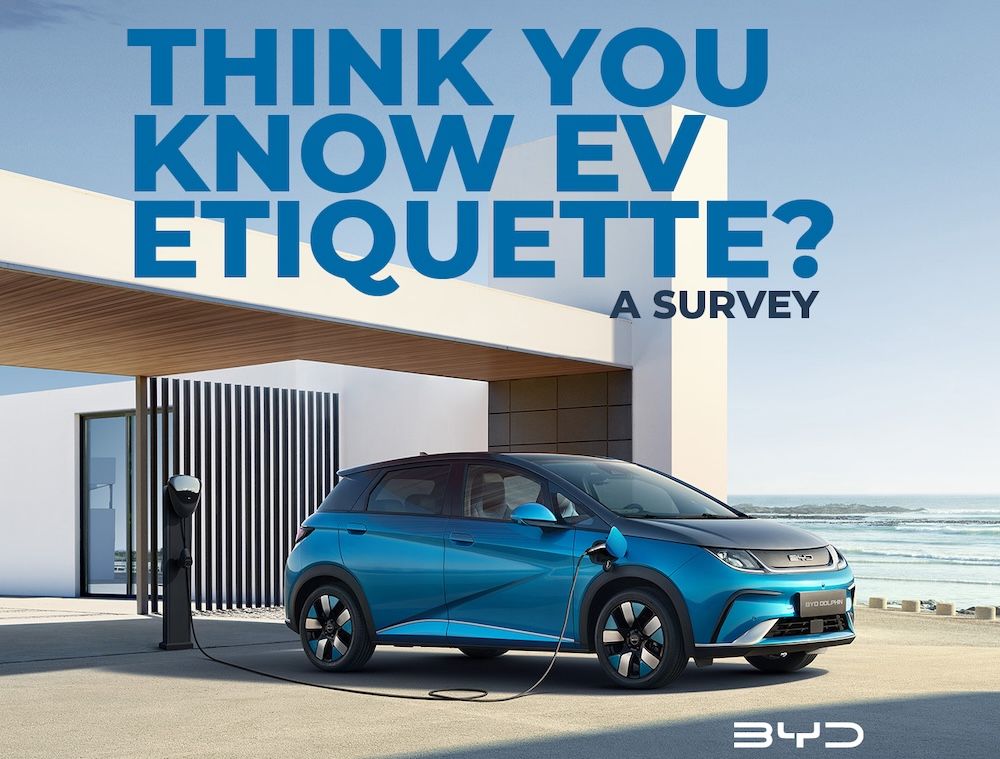
Image courtesy of BYD