A West Country local authority is set to start charging its electric vehicles (EV) from a solar farm that is nearing completion.
Exeter City Council said it hoped to start using the Water Lane renewable-energy production facility to power its EV fleet from September.
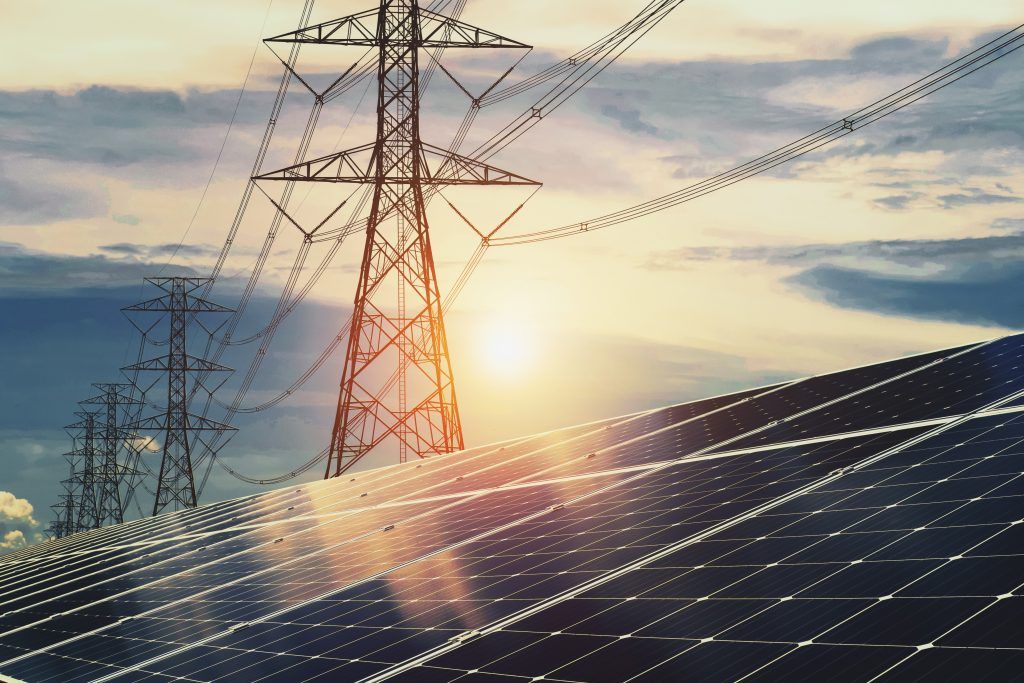
Built on an inactive landfill site in the Marsh Barton district of the Devon city, the solar farm will feature 3,700 panels to create more than 1MW of electricity. It will also include battery storage capacity to allow it to meet demand all year round.
Power generated at the Water Lane facility will be fed to the council’s nearby materials reclamation facility as well as charging its fleet of electric vehicles.
This includes Exeter’s three newly-operational electric refuse trucks, which are saving the council 30,000 litres of diesel per year.
Exeter City Council lead councillor for climate change Duncan Wood said the ability to generate green energy at a time of rapidly rising fuel costs was hugely important for the city.
“We will be able guarantee that our electric vehicles going around Exeter are running on green electricity,” he said. “That’s really important to us. It’s something we started creating quite a few years ago.
“This is definitely a large step towards being net carbon neutral by 2030. The important thing is to cut down our emissions – that has to happen across the whole city.
“We want to lead and support and encourage the partners and residents of Exeter to cut down on their emissions, but what we really have control of is what we do as a council, and this is a prime example of what we are doing to cut down on our emissions.”
The council plans to include battery storage systems at other sites with existing rooftop arrays.
It already has a photovoltaic estate of more than 2MW, including a solar installation at the Livestock Centre that produces enough renewable energy every year to power 180 homes.
The aim is to replace the council’s remaining 12 diesel refuse vehicles with electric ones within the next six years.
Image courtesy of Shutterstock.